Iraq Targets Stolen Dinars With Currency Overhaul Plan
At a Glance:
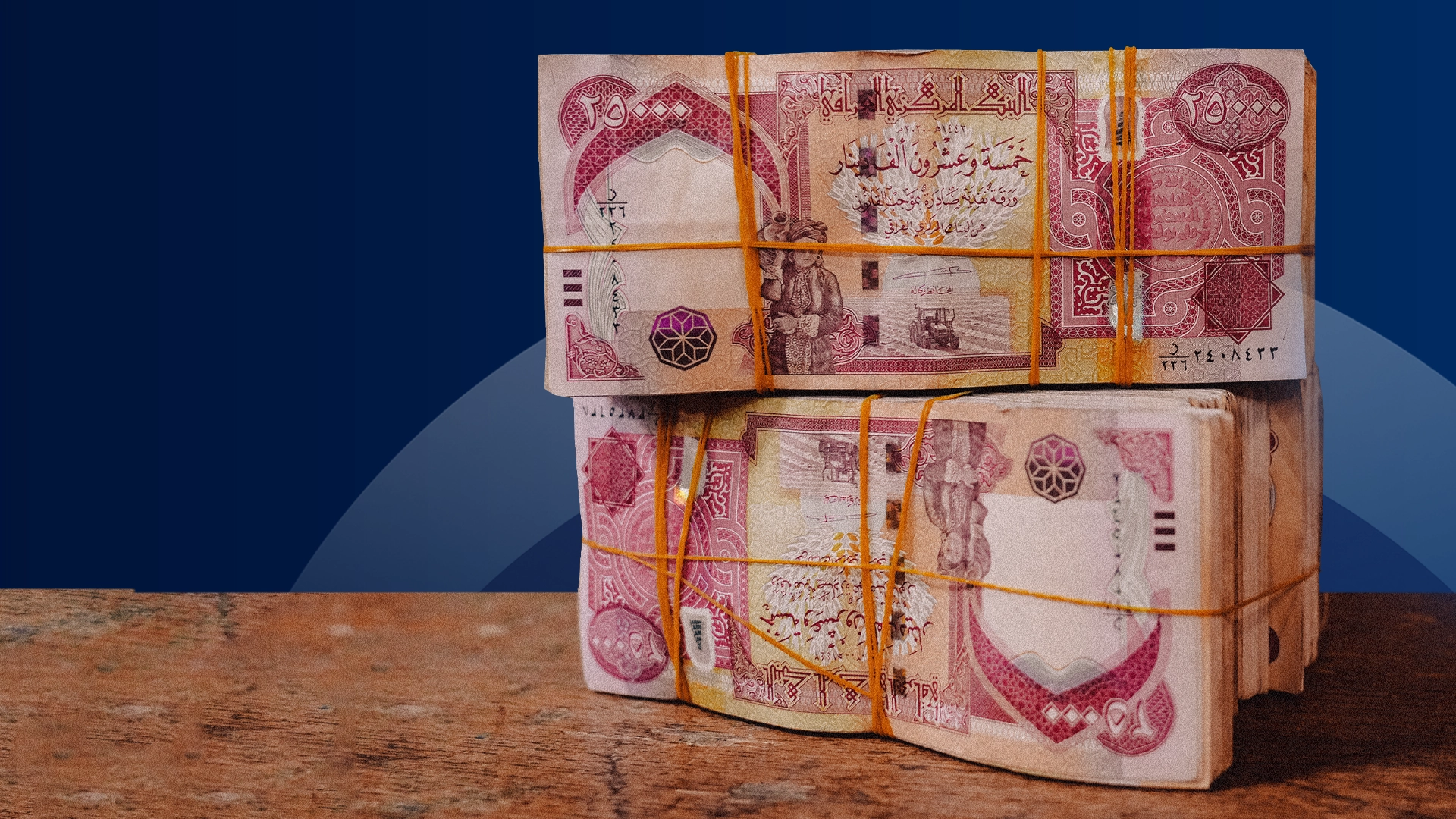
- Iraq plans to redenominate its currency to render 8 trillion stolen dinars obsolete.
- The strategy targets 95 trillion dinars held outside banks ` nearly 87% of all circulating currency.
- A 6% levy is proposed on home-stored cash exceeding 150 million dinars to boost deposits and revenue.
- The move addresses budget strains from Strait of Hormuz bottlenecks that threaten public salaries.
The Iraqi government is advancing a comprehensive currency overhaul centered on deleting zeros from the national dinar and issuing new physical banknotes. Beyond monetary redenomination, the initiative acts as an aggressive anti-corruption operation designed to force trillions of hoarded dinars back into the banking system while devaluing illicit cash reserves kept hidden by corrupt networks.
Key Statements and Focus Area:
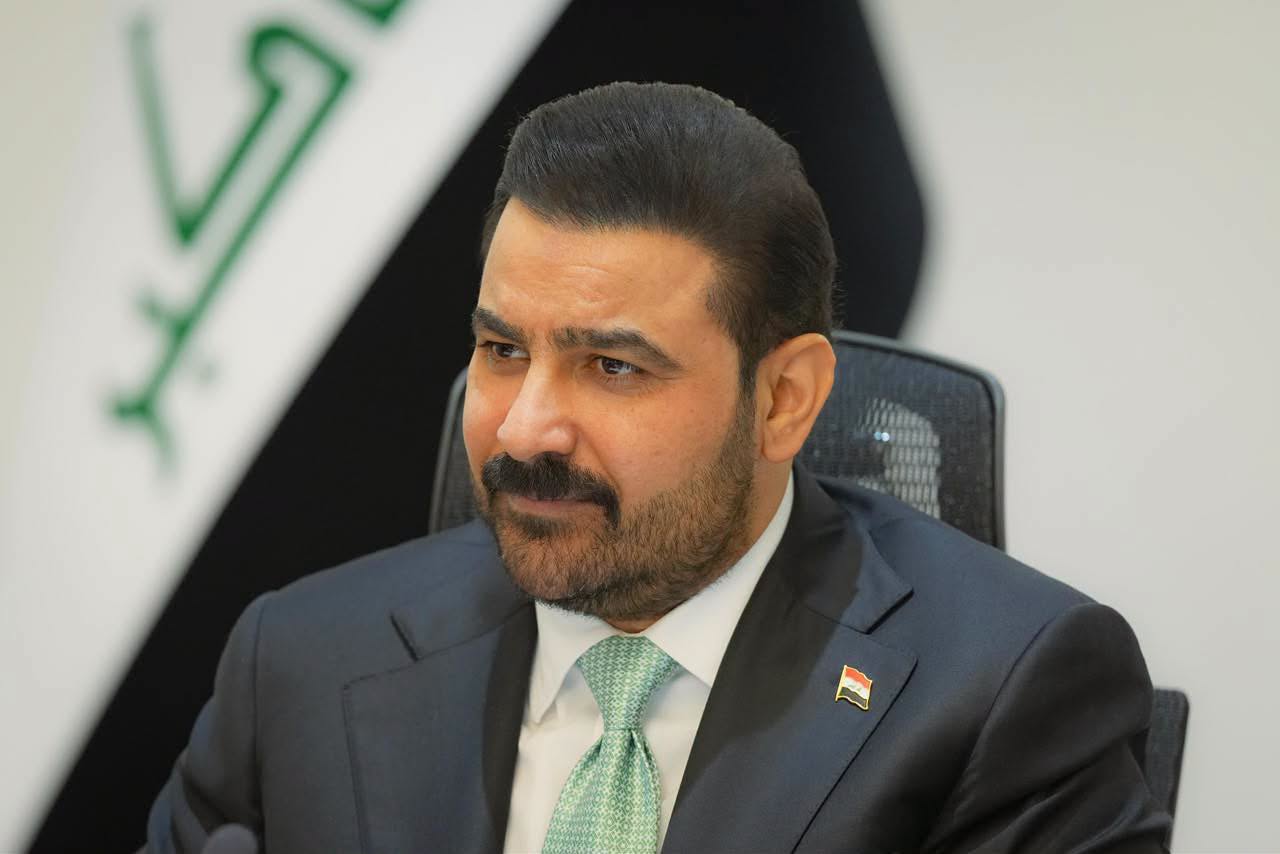
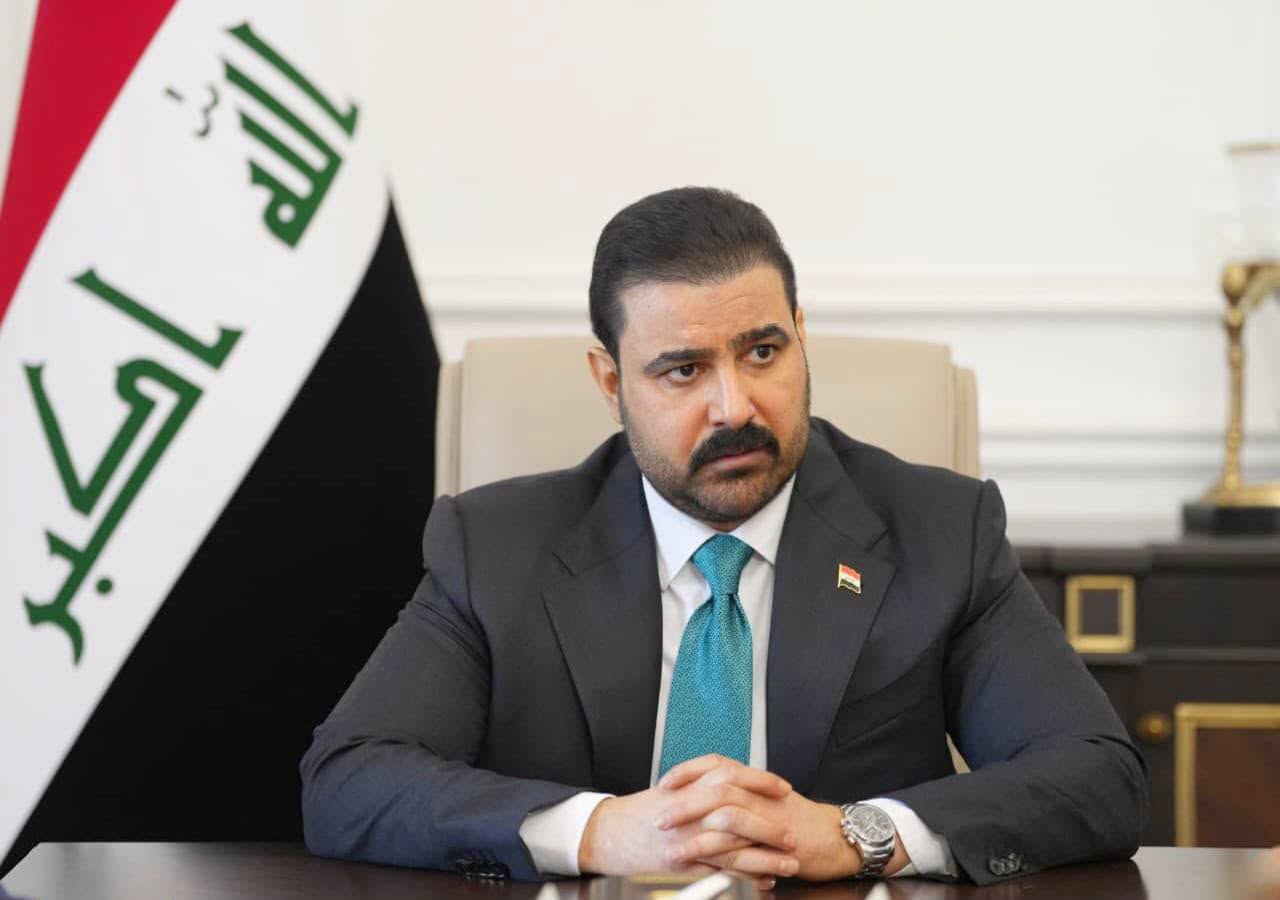
- Anti-Corruption & Currency Exchange:"The decision to delete the zeros and change the currency has been made... All money will have to be handed in. If this 8 trillion in missing undeclared cash is not handed in, it's as if the government is printing a new 8 trillion of the new currency and taking it for itself." — Mustafa Sanad, Iraqi Minister of Communications.
- Reclaiming Informal Capital:"Using digital payments helps bring hidden cash into the banking system... About 95 trillion dinars out of Iraq's 109 trillion dinar money supply are held outside banks, accounting for nearly 87 percent." — Mazhar Muhammad Salih, Financial Advisor to the Prime Minister.
Neutralizing Illicit Wealth and Recapturing Cash
Under the proposed framework, citizens will be required to declare and surrender old banknotes in exchange for the new issue. This mechanism creates a legal choke point for corrupt actors holding an estimated 8 trillion dinars in stolen state funds, as depositing or exchanging those sums will trigger source-of-income verifications. Simultaneously, forcing the 95 trillion dinars currently sitting in home safes back into commercial banks aims to resolve severe public sector liquidity shortages.
Taxing Domestic Savings to Drive Banking Integration
To deter capital hoarding, officials are evaluating a targeted 6% tax on unbanked cash holdings exceeding 150 million dinars stored in private residences. Combined with ongoing mandates to ban cash transactions at state institutions, Baghdad seeks to widen the formal tax base and secure stable funding for state salaries amid persistent geopolitical disruptions to oil exports.
Economic Skepticism and Implementation Risks
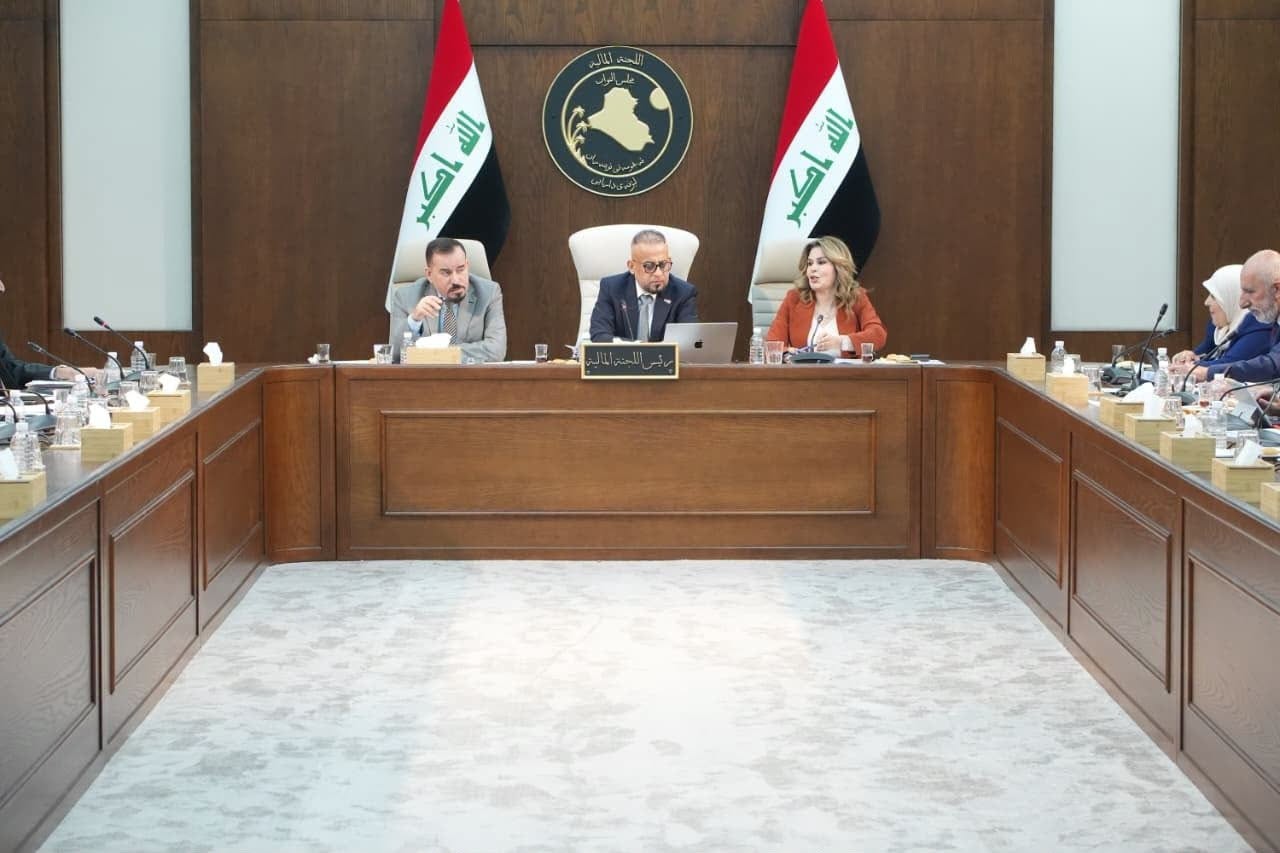
Despite the government's strategic objectives, financial analysts and members of the parliamentary Finance Committee urge caution. Economists warn that altering banknote denominations does not solve underlying economic vulnerabilities, such as single-commodity oil dependence, heavy dollarization, and public distrust in local banks. Analysts emphasize that without deep structural reforms in commercial banking, replacing the currency risks prompting market panic, driving speculative buying of US dollars, and further devaluing the dinar.
FYI
Iraq’s proposed currency redenomination highlights the intersection between monetary policy and state-led anti-corruption enforcement. Facing severe fiscal constraints, Baghdad is using banknote replacement as a tool to dismantle shadow financial networks and enforce banking compliance. However, the success of this strategy hinges on whether the government can build genuine public trust in financial institutions, preventing capital flight into secondary currency markets.
Dive Deeper: Handpicked Stories for You
Follow Channel8 for continuous updates:
Iraq Finance Committee Recommends Postponing Dinar Redenomination Vote
Lawmaker: Iraq Plans Dinar Redenomination But Law Still Awaits Approval