Spain Moves To Accelerate Migrant Returns From Ceuta
At a Glance
- Spain has approved new measures to accelerate migrant returns from Ceuta.
- Thousands of people who entered from Morocco remain in the Spanish enclave.
- Authorities will continue assistance for asylum seekers and unaccompanied minors.
- The government says returns must comply with Spanish law and human rights.
Spain is taking new steps to manage the thousands of migrants who remain in Ceuta after a major influx from Morocco in July.
Key Statements and Focus Area
- Return Operations: “The return and repatriation of the greatest possible number of people, adults and minors.” — Territorial Policy Minister Angel Víctor Torres.
- Legal Obligations: Torres warned that proposals to return everyone “out of populism or to scrape together a few votes are mistaken.”
- Temporary Accommodation: The government says additional accommodation will be provided “to restore normality in Ceuta.” — Government spokeswoman Elma Saiz.
Spain's cabinet approved the creation of a “single command” for Ceuta on Tuesday to coordinate the government's response to migrants who remain in the territory. The command will be led by Territorial Policy Minister Angel Víctor Torres and will oversee efforts to identify those still in Ceuta and determine their legal status. Authorities must establish whether individuals qualify for international protection. Those who do not may then face procedures for their return.
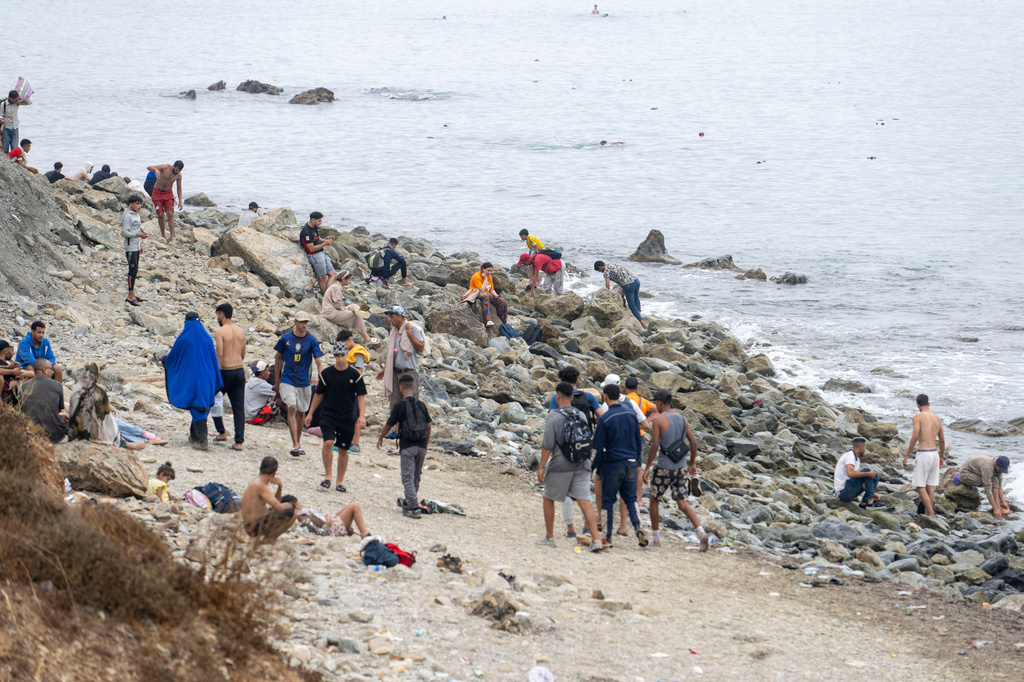
More than 70,000 migrants entered Ceuta in late July by swimming or crossing on foot from neighboring Morocco. The influx left scores dead and renewed tensions over migration within the European Union. Most of those who entered have since returned to Morocco. Between 5% and 10% remain in Ceuta, representing an estimated 3,500 to 7,000 people. Among those remaining are unaccompanied children, who cannot simply be deported.
Spain will continue providing humanitarian assistance to people seeking asylum and to unaccompanied minors who cannot be returned. The government announced last week that reception centers would be established for 1,800 migrants. Further temporary accommodation is also planned as authorities seek to ease pressure on Ceuta. Local residents have raised concerns over insecurity and hygiene conditions linked to migrants without housing who have been sleeping or moving through the streets.
Ceuta's regional government, controlled by the conservative Popular Party, has criticized the pace of the identification and return process. The issue has also become a major political dispute nationally, with conservative opposition parties and far-right groups calling for all migrants who entered Ceuta, including minors, to be returned to Morocco. Torres said the government must follow international law in handling the cases, rejecting calls for blanket returns.
FYI
Ceuta and Spain's other North African enclave, Melilla, contain the European Union's only land borders with Africa. Both territories have a special arrangement within the Schengen free-travel area, meaning people entering them cannot continue to mainland Spain without border checks.
The July influx placed renewed attention on these borders and on Spain's responsibilities toward migrants seeking protection, particularly unaccompanied minors who are subject to different legal protections from adults.
Dive Deeper: Handpicked Stories for You
Mass Border Crossing Overwhelms Spain's Ceuta Enclave
Death Toll Rises to 72 After Ceuta Enclave Mass Border Crossing
1 hour ago