Nationalist Factions Lead 45.5% Percent Rejection of Turkey's Peace Law
At a Glance:
- Survey results reveal 45.5% oppose the Law on Strengthening National Solidarity and Social Integration, while 42.7% express support.
- Opposition is highest among İYİ Party supporters, with 83.8% rejecting the legislation.
- Over 21% of opponents state that negotiations should not be conducted with terror groups.
- More than 30% of supporters believe the law will bring an end to terrorism.
A public opinion survey conducted by the Area Research Center across Turkey shows a near-even split among citizens regarding the recently passed Law on Strengthening National Solidarity and Social Integration. The poll reveals that nearly half of the public opposes the legislation, with opposition heavily concentrated among nationalist political factions.
Key Statements and Focus Area:
- Primary Reason for Opposition:"Negotiations cannot be held with terror." — Cited by 21.4% of survey respondents opposing the law.
- Primary Reason for Support:"The law will bring an end to terrorism and establish peace and stability." — Cited by 30.2% of survey respondents supporting the law.
Survey Metrics and Opposition Breakdown
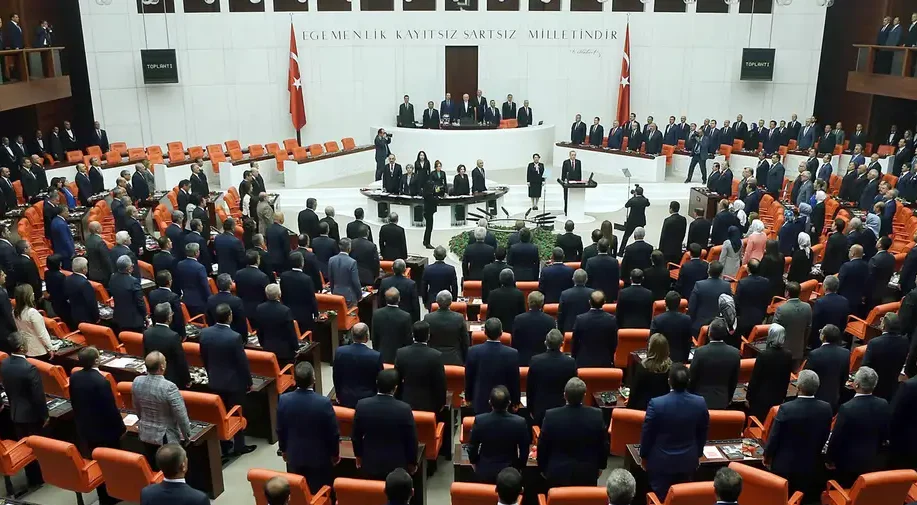
The survey sampled 2,027 participants following the passage of the Law on Strengthening National Solidarity and Social Integration, which was approved by 467 members of the Turkish Parliament. According to the data, 45.5% of respondents oppose the law, compared to 42.7% who support it. The İYİ Party recorded the highest level of rejection at 83.8%, while only 14.9% of DEM Party voters expressed opposition.
Public Motivations and Skepticism
Opponents of the law cited concerns including a lack of trust in the peace process (12.2%), opposition to the potential release of Abdullah Ocalan (8.2%), and views that the legislation represents national treason (2.8%). Conversely, supporters emphasized that the Law on Strengthening National Solidarity and Social Integration provides a structural framework to eliminate domestic terrorism and build long-term regional stability (16.1%).
FYI
The survey highlights the persistent political polarization surrounding legislative efforts to resolve Turkey's long-standing Kurdish conflict. With nationalist parties strongly rejecting formal peace mechanisms, the government faces significant public relations and political hurdles to build broader consensus around the implementation of the Law on Strengthening National Solidarity and Social Integration.
To learn more about the legislative vote on this framework, you can watch this report on Turkey's National Solidarity and Social Integration Law, which details the parliamentary proceedings and reaction surrounding the bill.
Dive Deeper: Handpicked Stories for You
Follow Channel8 for continuous updates:
Turkish Parliament Passes Framework Law Amid Broad Cross-Party Support
Kurtulmus, AK Party, DEM Party Hail Peace Era as Bill Enacted
27/08/2026