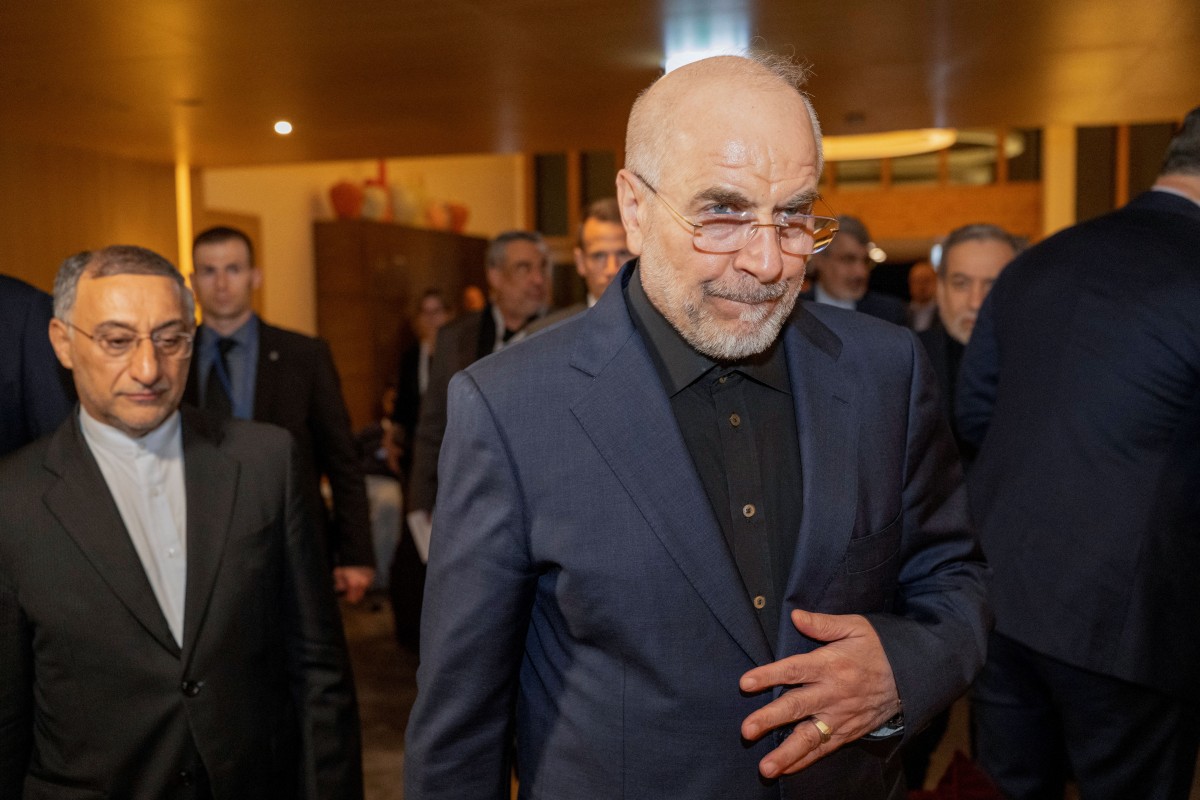
Araghchi Outlines Terms to Resume U.S. Diplomacy
At a Glance:
- Foreign Minister Abbas Araghchi met with Qatari Prime Minister Sheikh Mohammed bin Abdulrahman Al Thani in Tehran.
- Araghchi stated that resuming diplomatic talks remains possible if Washington shifts away from economic pressure tactics.
- Tehran outlined four demands for the U.S.: building trust, respectful engagement, recognizing Iranian rights, and honoring commitments.
- Discussions also focused on regional security proposals, including an interim shipping corridor through the Strait of Hormuz.
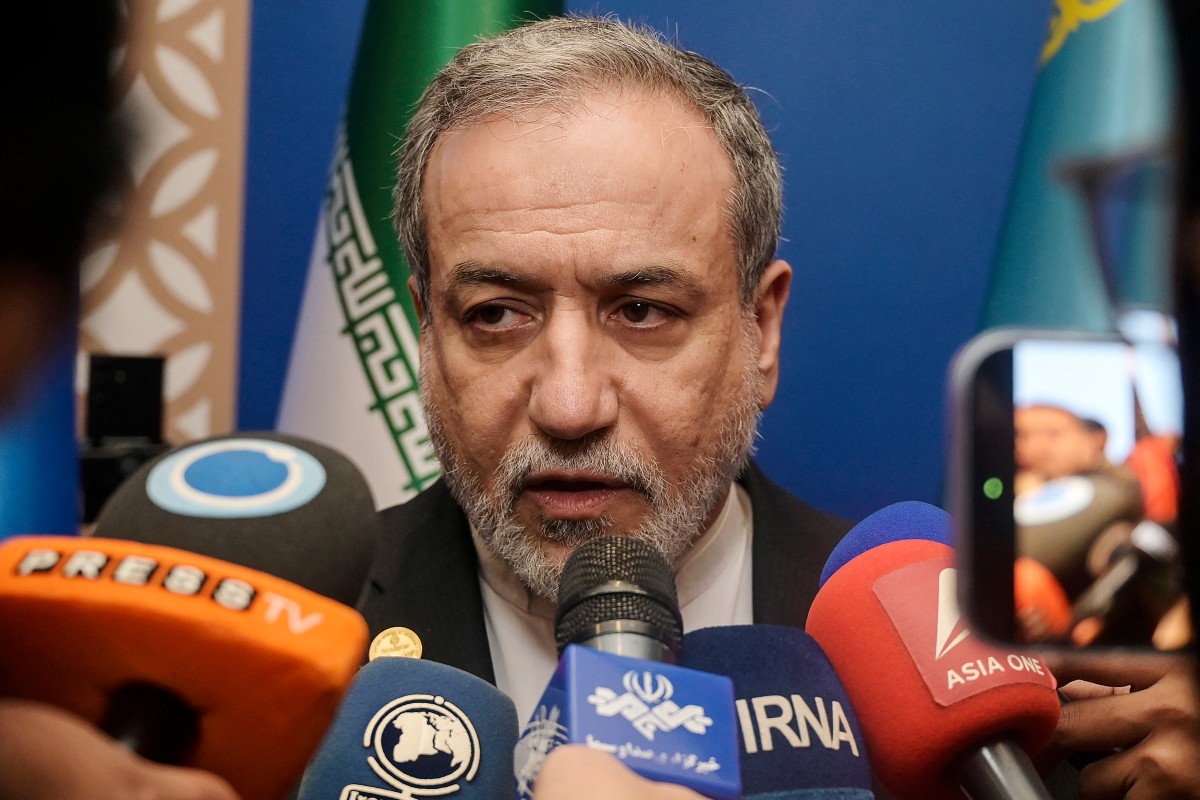
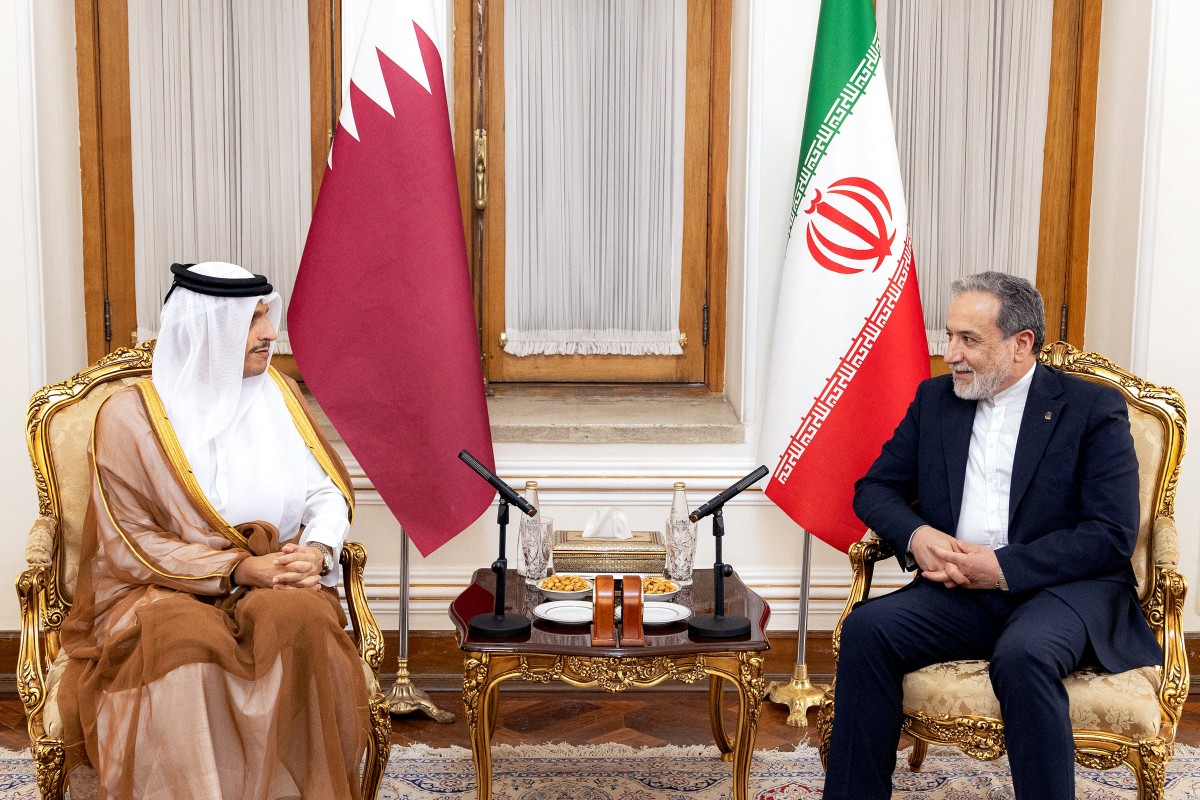
Iranian Foreign Minister Abbas Araghchi reaffirmed that diplomatic channels with the United States can be revived, provided Washington abandons its reliance on coercive pressure. Following high-level discussions in Tehran with Qatari Prime Minister and Foreign Minister Sheikh Mohammed bin Abdulrahman Al Thani, Araghchi outlined Iran's terms for resuming constructive negotiations.
Key Statements and Focus Area:
- Diplomatic Outlook and Prerequisites:"Putting diplomacy back on track isn't impossible. It hinges on U.S. understanding of one simple fact: pressure doesn't work. The U.S. should build trust, speak respectfully, acknowledge our rights, and uphold commitments." — Seyed Abbas Araghchi, Iranian Foreign Minister.
- Qatari Position on Regional Stability:"The language of force and threats is not a solution, and stability, security, and economic peace must be restored to the region through diplomacy, rationality, and logic." — Sheikh Mohammed bin Abdulrahman Al Thani, Qatari Prime Minister.
Iran Outlines Prerequisites for Talks
Following a series of bilateral meetings with Qatari mediators in Tehran, Iranian Foreign Minister Abbas Araghchi publicly outlined the conditions required to restart talks with Washington. Araghchi emphasized that economic coercion and coercive policies remain the primary barriers to progress. He stressed that a viable diplomatic track requires the U.S. to alter its approach by demonstrating respect for Iranian sovereignty, rebuilding trust, and adhering strictly to bilateral and international commitments.
Qatari Mediation and Maritime Security Framework
The high-level consultations in Tehran highlighted Qatar’s ongoing role as a mediator facilitating communications between Tehran and Washington. Beyond broader diplomatic reconciliation, discussions between Araghchi and the Qatari leadership addressed immediate regional security measures, including proposed interim frameworks for a joint shipping corridor and maritime safety operations in the Strait of Hormuz to safeguard regional trade routes.
FYI
Araghchi’s statement underscores Tehran's strategy of utilizing regional Gulf mediators to set public boundaries for potential U.S. negotiations. By placing the onus squarely on Washington to adjust its posture while simultaneously participating in Qatari-led de-escalation talks, Iran seeks to signal a willingness for dialogue while maintaining a firm stance against unilateral economic pressure.
Dive Deeper: Handpicked Stories for You
Follow Channel8 for continuous updates:
Araghchi Reaffirms Iran Standing Firm Against 'Coercion'
US Signals Pivot From Direct Military Strikes to Economic Pressure on Iran
Araghchi in Russia for Talks With Putin as U.S.-Iran Diplomacy Stalls