Slemani Schools Prepare for New Academic Year Amid Infrastructure and Staffing Challenges
At a Glance
- The Ministry of Education Council will meet on September 10 to set the academic calendar.
- The Slemani Directorate of Education says preparations for the new year have been completed.
- Infrastructure and staffing shortages remain key challenges.
The Ministry of Education Council will meet on September 10 to finalize the academic calendar and discuss changes to the student grading system. The Slemani Directorate of Education says preparations for the new academic year have been completed, despite ongoing infrastructure and staffing challenges.
Key Statements and Focus Area
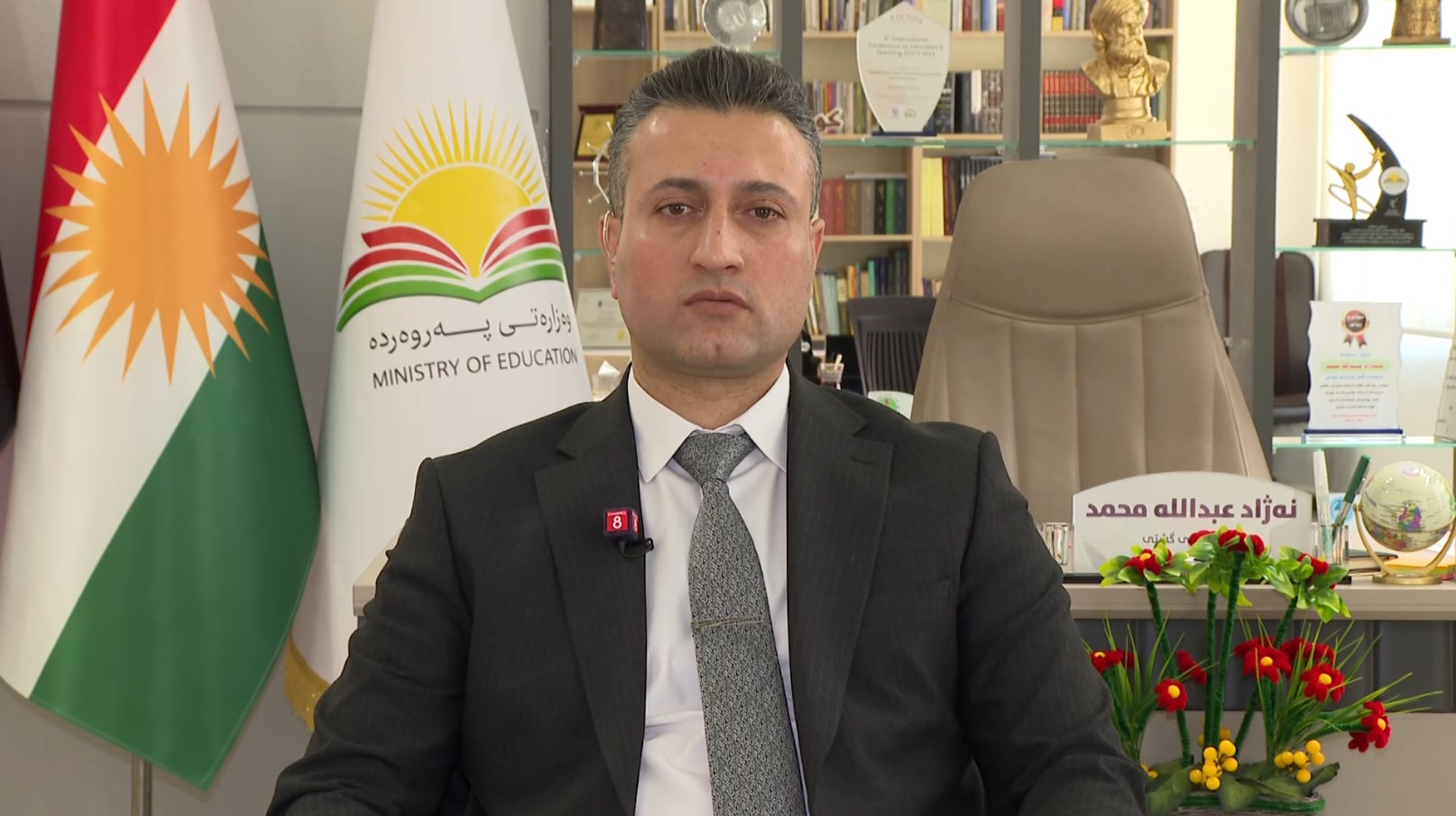
- Academic Planning: “The Ministry Council meeting on September 10 will focus on setting the academic calendar.” — Nezhad Abdullah, Director General of the Slemani Directorate of Education.
- Teacher Staffing: “There are currently 6,730 contract teachers whose conversion to permanent staff has been requested in the 2027 budget.” — Nezhad Abdullah, Director General of the Slemani Directorate of Education.
According to Nezhad Abdullah, Director General of the Slemani Directorate of Education, directorates have completed staff assignments, student distribution preparations, and the provision of essential school supplies. The directorate oversees 1,412 schools. Of these, 272 operate on a double-shift system, while one operates on a triple-shift system.
Infrastructure remains a major challenge. Seventeen schools operate in rented buildings, while 36 have been evacuated because of structural risks. Another 38 schools are completely or partially constructed using caravans. UNICEF has undertaken the refurbishment of 2,000 desks and chairs, while the Anzo Foundation has provided support for renovating educational centers.
Staffing shortages have also affected schools. Last year, the directorate recorded 429,852 students and 43,956 teachers. Teacher vacancies have increased following retirements and various forms of leave. A total of 2,050 teachers retired in 2025, contributing to staffing shortages, particularly outside city centers.
The Ministry of Education has also decided that schools will retain 100% of cafeteria revenues. The measure gives school principals greater financial autonomy and removes bureaucratic procedures related to expenditures, with spending overseen by a leasing committee and a high committee.
The directorate says the required fuel supplies have been delivered to all schools, while heating and cooling equipment has been prepared for use. Abdullah also thanked philanthropists and students’ families for their continued support for educational centers.
FYI
The infrastructural and staffing shortages facing the Slemani Directorate of Education are rooted in a decade-long financial squeeze in the Kurdistan Region.
Following the 2014 budget cuts from Baghdad and subsequent economic shocks, public funding for school maintenance and new construction largely stalled. This forced local education boards to rely heavily on international organizations like UNICEF and local philanthropic foundations to prevent total logistical failure.
Simultaneously, a public sector hiring freeze left the region dependent on thousands of lower-paid contract teachers. Compounding the issue, a wave of retirements in 2025, driven by teachers opting for a federal retirement law enacted by Baghdad to secure stable pensions, severely depleted the workforce outside major urban centers.
By decentralizing cafeteria revenues directly to school principals, the Ministry of Education is attempting to bypass heavy government bureaucracy, allowing schools to fund immediate, daily operational fixes independently.
Dive Deeper: Handpicked Stories for You
Follow Channel8 for continuous updates:
Rojava Schools Begin Academic Year Amid Displacement Challenges
Governor Hails University of Sulaimani Guinness World Record
2 hours ago