Candar: The Kurdistan Region Is Vital to Peace Process
At a Glance
- Lawmaker Cengiz Candar says the peace process cannot succeed without the Kurdistan Region.
- Improved Turkey-PUK relations are necessary for the process of PKK disarmament and return.
- Turkey-PUK ties are approaching the level seen during the era of Jalal Talabani and Turgut Ozal.
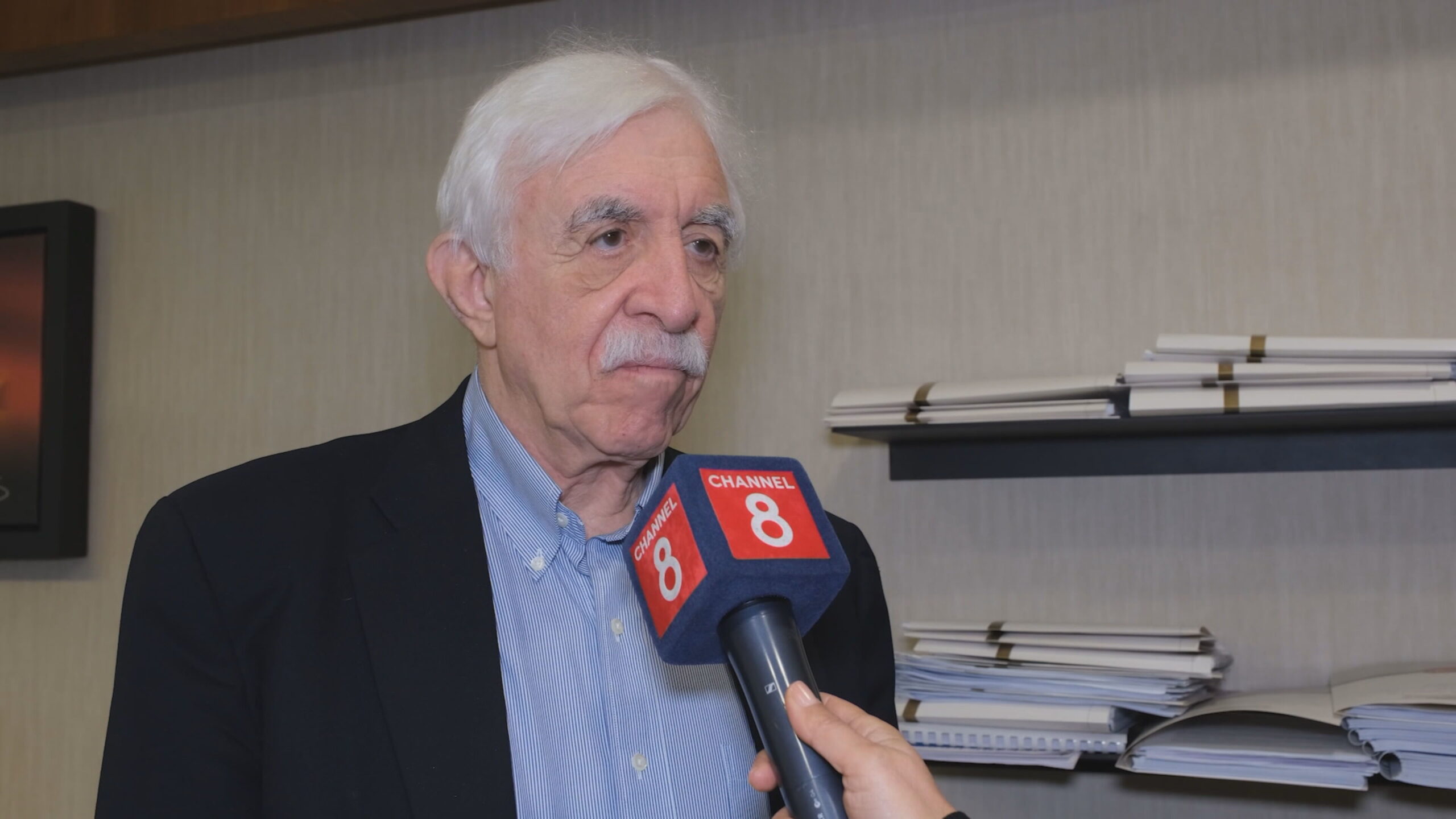
DEM Party lawmaker Cengiz Candar says the Kurdistan Region is a key pillar of Turkey’s peace process. He told Channel8 that progress will require active cooperation and coordination between Turkey and the Kurdistan Region.
Key Statements and Focus Area
- Kurdistan Region’s Role: “The Kurdistan Region is one of the absolute core pillars of the peace process.” — Cengiz Candar, DEM Party lawmaker.
- Turkey-PUK Relations: “It makes no sense to maintain poor relations with the authority administering the area where the PKK operates.” — Cengiz Candar, DEM Party lawmaker.
- Regional Relations: “Turkey-PUK relations are at a level close to the era of Jalal Talabani.” — Cengiz Candar, DEM Party lawmaker.
Candar said the objective of Turkey’s peace process is to end the Kurdish armed struggle that has continued in Turkey for nearly half a century and transition toward a legal and political struggle.
He said the armed Kurdish movement is no longer confined to Turkey, with a significant number of its armed personnel located in the Kurdistan Region. As a result, he said developments inside Turkey cannot move forward without the involvement and coordination of the Kurdistan Region.
Candar also said a deterioration in relations between Turkey and the Patriotic Union of Kurdistan (PUK) is highly unlikely.
According to Candar, relations between Turkey and the PUK have gradually improved in recent months. He linked the improvement directly to the peace process, arguing that cooperation with the authority administering the area where the PKK operates is necessary if the organization is to disband and lay down its weapons.
He said some individuals returning to Turkey would travel through Erbil, while others would leave through Slemani. He added that dialogue between Turkey and the PUK for this purpose has already begun.
He said he has heard constructive language and received positive signals regarding Turkey from senior Turkish state officials and top PUK officials, including Bafel Jalal Talabani and Qubad Talabani.
Candar described the improvement in Turkey-PUK relations as a positive development for Turkey’s peace process, regional peace and Kurdish prosperity.
FYI
The Kurdistan Region, particularly the border zones managed by the Patriotic Union of Kurdistan (PUK), serves as the primary geographical and logistical staging ground for any resolution to Turkey’s decades-long Kurdish conflict.
For nearly 40 years, the Kurdistan Workers' Party (PKK) has maintained its central command infrastructure and armed fighters within the rugged Qandil Mountains and surrounding valleys, which sit directly along the border interfaces of Turkey, Iran, and the Kurdistan Region. Historically, Ankara has launched frequent cross-border military incursions and targeted airstrikes into these zones, often causing severe diplomatic friction with local authorities.
Because the territorial pathways, supply chains, and safe-passage routes required for any potential disarmament or repatriation process run natively through PUK-administered cities like Slemani and KDP-led hubs like Erbil, Turkey cannot secure a functional exit strategy from the conflict without local intelligence-sharing, administrative transit agreements, and the active mediation of Kurdish leadership.
Dive Deeper: Handpicked Stories for You
Follow Channel8 for continuous updates:
Ocalan Warns Against Provocations As Peace Process Advances
Nationalist Factions Lead 45.5% Rejection of Turkey's Peace Law
06/09/2026