Iraqi Migration Ministry Closes 157 Camps Leaving 18 Operational in Kurdistan
At a Glance:
- Out of 175 displacement camps established following the 2014 security crisis, 157 have been officially closed across Iraq.
- Only 18 camps remain active, all situated within the Erbil and Duhok governorates of the Kurdistan Region.
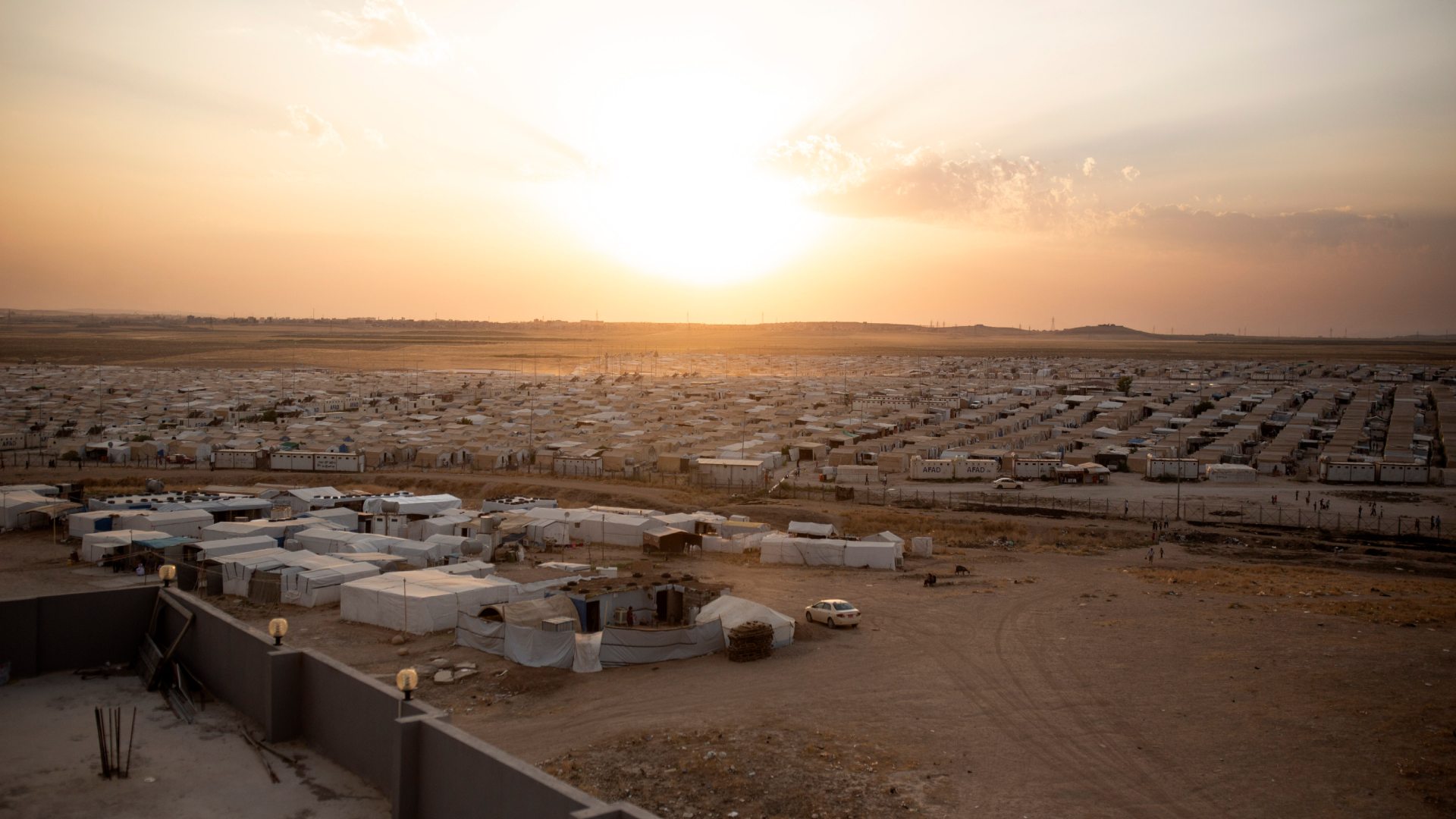
- The remaining facilities shelter approximately 19,000 displaced families, the vast majority originating from the Shingal district.
- Federal authorities are expanding financial incentives and infrastructure support to facilitate voluntary, safe, and dignified returns.
The Iraqi Ministry of Migration and Displaced announced that 157 out of 175 displacement camps established since 2014 have been closed, leaving just 18 operational facilities across the Kurdistan Region. According to ministry statements, the remaining active camps in Erbil and Duhok governorates house approximately 19,000 displaced families, most of whom are Yezidis and residents from Sinjar facing ongoing reconstruction delays in their home districts.
Key Statements and Focus Area:
- Karim Nouri (Deputy Minister of Migration and Displaced):
"Iraq has succeeded in closing camps and encouraging voluntary return among displaced populations. While returning home may be difficult due to unfinished reconstruction in areas of origin, living in displacement camps is even harder. The government is actively working to secure all prerequisites for a safe, secure, and sustainable return."
Iraqi Displacement Statistics and Active Camp Metrics
| Metric / Parameter | Federal Migration Data | Operational & Regional Status |
| Peak Displaced Population (Post-2014) | 5,000,000 Individuals | Total internal displacement recorded at height of crisis. |
| Original Displacement Camps | 175 Total Camps | Nationwide network of emergency displacement shelters. |
| Closed Camps To Date | 157 Facilities Closed | Phased closure program across central and southern provinces. |
| Remaining Active Camps | 18 Facilities | Exclusively located within Erbil and Duhok governorates. |
| Remaining Displaced Families | ~19,000 Families | Majority originating from Sinjar district (Nineveh Governorate). |
Reconstruction Obstacles in Sinjar and Return Incentives
Addressing the challenges delaying final camp closures, Deputy Minister Karim Nouri noted that while the federal government has ended displacement status across most Iraqi provinces, return rates to Sinjar remain hampered by destroyed infrastructure, basic service deficits, and local security complexities. To overcome these hurdles, the Ministry of Migration is coordinating with federal infrastructure authorities to rebuild residential properties, restore water and electrical grids, and grant direct financial return packages to incentivize families to leave the camps.
Long-Term Integration and Facilities Phaseout
The government's strategy prioritizes voluntary departures rather than forced camp consolidations. With all 18 remaining active facilities operating under the administrative jurisdiction of the Kurdistan Regional Government (KRG), federal and regional officials are expanding joint coordination mechanisms. The initiative seeks to ensure that as reconstruction projects advance in Nineveh Governorate, families can transition out of temporary shelters into permanent housing without losing access to federal social safety welfare services.
FYI
Closing 157 camps represents significant progress in resolving Iraq's decade-long internal displacement crisis, but the concentration of remaining families in Erbil and Duhok underscores the specific political and economic hurdles lingering in Sinjar. Until basic services and security stabilization are fully realized in Nineveh, closing the final 18 camps will require sustained investment from both Baghdad and regional authorities.
Dive Deeper: Handpicked Stories for You
Follow Channel8 for continuous updates:
2 hours ago