Iran Rejects U.S. Pipeline Claims, Finalizes Oman Maritime Pact
At a Glance
- Iranian Spokesperson dismissed U.S. claims linking Iran to the Saudi pipeline drone strike.
- Amid ongoing coastal fighting in Yemen, Iran asserted that Houthis is an "independent Yemeni party,”
- A bilateral maritime security agreement between Iran and Oman has been finalized following weeks of comprehensive negotiations.
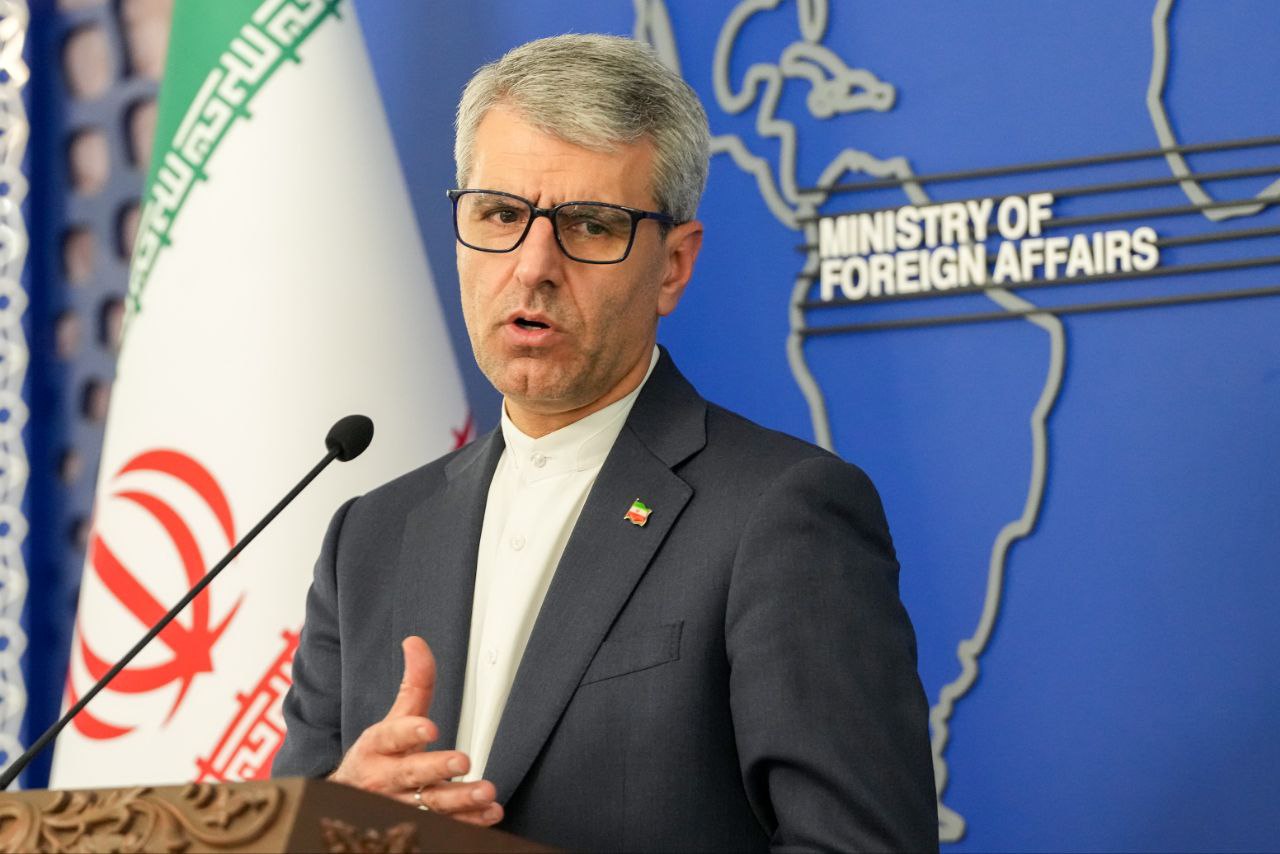
Iranian Foreign Ministry spokesperson Esmaeil Baghaei dismissed U.S. allegations of Iranian involvement in a drone strike on Saudi Arabia's East-West pipeline from Iraqi soil, stressing that the Houthis are an "independent Yemeni party" making their own decisions.
Key Statements and Focus Area
- The Iranian Foreign Ministry spokesperson said, “Americans are constantly producing false news reports and making false claims at no cost to themselves; there is no doubt about that.”
- “It is quite clear that the Yemenis make their own decisions,” he noted.
- Baghaei confirmed that a maritime security understanding between Iran and Oman has been reached, with both littoral states currently evaluating the next steps for its formal announcement and registration.
Speaking during a weekly press briefing on Monday, Foreign Ministry spokesperson Baghaei stated that U.S. claims regarding the attack on a Saudi oil pipeline are “fabricating lies” aiming to “deepen divisions among regional countries,” which he described as “one of the consequences of the issues facing our region, which the countries themselves must resolve among them.”
“Those who have no goodwill toward our region will continue to resort to such lies to further complicate the situation,” he added.
Speaking to reporters during a visit to Dublin, U.S. President President Trump noted, "I think they are, probably they are," when directly questioned about Tehran's involvement.
As a Houthi military offensive along Yemen's western coast took place amid ongoing clashes with Yemeni government forces, Baghaei affirmed that “Ansarullah [the Houthis] is an independent Yemeni party that takes decisions based on what it considers to be its own interests and priorities.”
Baghaei emphasized the necessity of ensuring maritime security and safeguarding the freedom of international trade routes for all nations.
He argued that external actors cannot attack a nation or impose a naval blockade and then "unilaterally expect them to act as the guardians of maritime shipping."
Baghaei characterized the scheduled meeting in Oman as a pivotal opportunity established by Tehran and Muscat, urging regional nations to leverage this diplomatic platform to resolve ongoing security challenges.
He underlined that the Iran-Oman maritime security agreement followed weeks of bilateral negotiations, adding that decisions on complex security matters are not driven by a single factor.
FYI
The drone strike on Saudi Arabia's East-West pipeline (Petroline) on September 10–11, which intelligence reports traced to a launch origin in Maysan Province, Iraq, intensified pressure on Tehran due to its ties with regional armed groups.
The United States and Gulf allies publicly blamed Iran-backed groups for the breach, which prompted Baghdad to launch an immediate internal security investigation and dismiss local commanders to prevent Iraqi soil from being utilized in cross-border conflicts.
Meanwhile, the conflict in Yemen has reached a critical turning point as Houthi forces launched a sweeping offensive along the western coast, capturing the strategic port of Mocha and Perim Island at the narrow bottleneck of the Bab al-Mandeb strait.
The collapse of the coastal agreement disrupted the previous UN-backed ceasefire, leading to intense ground combat and widespread civilian displacement, amid accusations from Western and regional powers that Tehran supplies the advanced drones and missiles used in the Houthi campaign.
Tensions remain exceptionally high along the Strait of Hormuz due to ongoing naval standoffs and Western-led trade blockades affecting Iranian maritime transit.
In response, Iran has accelerated bilateral naval diplomacy with neighboring littoral states, culminating in a newly finalized maritime security agreement with Oman aimed at securing vital shipping routes and asserting regional control over Persian Gulf security architecture.
Dive Deeper: Handpicked Stories for You
Follow Channel8 for continuous updates:
Iraqi, UAE Foreign Ministers Discuss Regional Security and Ties
Hormuz Vessel Traffic Falls Sharply Amid Regional Disruptions
Iraqi Speaker Rejects Use of Iraqi Territory for Attacks on Neighbors
2 hours ago