Hormuz Vessel Traffic Falls Sharply Amid Regional Disruptions
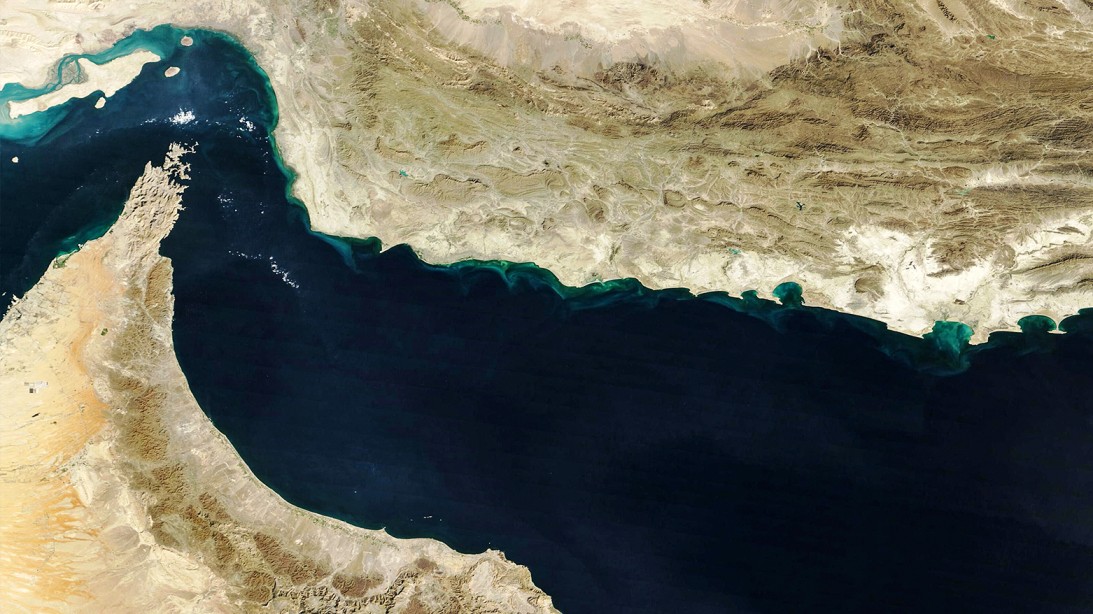
At a Glance
- Commodity vessel traffic falls to single digits daily.
- Four vessels exited the Gulf over the weekend.
- A vessel was struck by an unknown projectile.
- Bab al-Mandeb traffic remained near recent averages.
Commodity vessel traffic through the Strait of Hormuz fell to single-digit levels over the weekend, according to preliminary ship-tracking data, as security disruptions continued to affect commercial shipping in the region.
Key Statements and Focus Area
“The crew’s status, damage assessment and environmental impact were unknown.” — United Kingdom Maritime Trade Operations
- Hormuz traffic: Four commodity vessels exited the Gulf over the weekend, compared with a 10-day average of 14.
- Security incident: A vessel was struck by an unknown projectile while transiting the strait.
- Saudi pipeline: A key East-West oil pipeline was temporarily shut after a drone attack from Iraq, according to Saudi officials.
- Bab al-Mandeb: Traffic remained comparatively stable, with 24 and 27 commodity vessels transiting on Saturday and Sunday.
Hormuz Traffic Drops
Preliminary ship-tracking data showed that commodity vessel transits through the Strait of Hormuz fell to single-digit levels per day over the weekend.
Four vessels were recorded exiting the Gulf. They included a Handysize vessel sailing in ballast, a Handy vessel carrying LPG, a Supramax carrying fertilizer and a Suezmax carrying crude or condensate.
Ten vessels entered the Gulf during the same period, including vessels carrying grain, metals and other dry bulk commodities.
The figures do not include vessels that may have transited the strait with their Automatic Identification System transponders switched off.
Vessel Struck During Transit
The United Kingdom Maritime Trade Operations said early Sunday that a vessel was struck by an unknown projectile while transiting the Strait of Hormuz.
The organization said the status of the crew, the extent of any damage and the potential environmental impact remained unknown.
Saudi Oil Pipeline Temporarily Shut
Saudi officials said the country's East-West oil pipeline was temporarily shut following a drone attack originating from Iraq.
The pipeline has provided an alternative route for moving oil toward the Red Sea, helping reduce pressure on shipping routes through the Strait of Hormuz.
Hormuz's Global Energy Role
Before the reported war involving Iran began on February 28, the Strait of Hormuz typically handled around 125 large commercial vessels each day, including oil tankers, gas carriers, bulk carriers and container ships.
The waterway is a major global energy corridor, with the supplied figures indicating that roughly 20 percent of the world's daily crude oil and liquefied natural gas supply normally passes through the strait.
A US blockade of Iran-related shipping has also halted Iranian crude oil exports since being reimposed in mid-July, according to the supplied report.
Bab al-Mandeb Traffic
Shipping activity through the Bab al-Mandeb Strait was comparatively stable over the weekend.
Ship-tracking data recorded 24 commodity vessels transiting on Saturday and 27 on Sunday, compared with a 10-day average of around 27 vessels.
| Indicator | Latest Figure |
|---|---|
| Hormuz vessels exiting Gulf | 4 |
| Hormuz vessels entering Gulf | 10 |
| Hormuz 10-day exit average | 14 per day |
| Pre-war Hormuz traffic | ~125 vessels per day |
| Hormuz share of global crude/LNG supply | ~20% |
| Bab al-Mandeb traffic, Saturday | 24 vessels |
| Bab al-Mandeb traffic, Sunday | 27 vessels |
| Bab al-Mandeb 10-day average | ~27 vessels |
FYI
The sharp decline in recorded commercial traffic through Hormuz indicates a significant disruption to one of the world's most important maritime energy corridors. The difference between the pre-war level of roughly 125 large commercial vessels a day and the current single-digit commodity-vessel exits represents a substantial contraction in recorded maritime activity, although the tracking data cannot capture vessels operating with AIS transponders switched off.
The disruption extends beyond shipping volumes. Any prolonged reduction in traffic through Hormuz can affect the movement of crude oil, condensate, LPG and other commodities, potentially increasing pressure on alternative routes and transport costs. The temporary shutdown of Saudi Arabia's East-West pipeline further illustrates how regional attacks can affect the alternative infrastructure used to bypass the strait.
At the same time, the relatively stable traffic through Bab al-Mandeb suggests that disruption is not uniform across the region's major maritime chokepoints. The key economic question is whether reduced Hormuz traffic remains temporary or develops into a sustained interruption, which would have wider implications for energy markets, freight flows and global supply chains.
Dive Deeper: Handpicked Stories for You
Follow Channel8 for continuous updates:
Pezeshkian Conditions Hormuz Access on Lifting All US Sanctions
1 hour ago