US Energy Secretary Opposes Diesel Export Ban Proposal
At a Glance
- U.S. Energy Secretary Chris Wright says banning diesel exports would not solve high fuel prices.
- Wright warned an export ban could reduce refinery operations and push up gasoline and jet fuel prices.
- U.S. diesel prices have reached record levels amid disruptions linked to the Iran war and conflict in Ukraine.
- The White House has denied reports that it is preparing a 90-day diesel export ban.
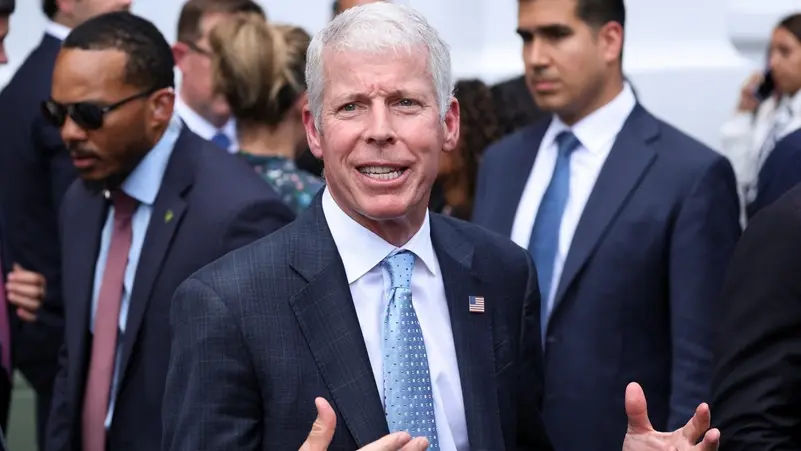
U.S. Energy Secretary Chris Wright has opposed an outright ban on diesel exports, warning that restricting overseas sales could force American refineries to reduce production and drive up gasoline and jet fuel prices.
His comments come as the Trump administration faces pressure over record diesel prices and competing proposals for how to increase domestic fuel supplies.
Key Statement
“The blunt tool of banning diesel exports definitely doesn’t work.”
— U.S. Energy Secretary Chris Wright
Wright said preventing U.S. refiners from exporting diesel could leave them with excess fuel, reducing the incentive to maintain current production levels.
“You run out of places to store it, and you have to reduce US refining, which would put upward pressure on gasoline prices and jet fuel prices.”
— Chris Wright
Record Diesel Prices
U.S. diesel prices have climbed sharply, with the national average reaching about $6.52 per gallon on Wednesday, according to AAA, according to Reuters.
The increase comes amid tight global diesel supplies linked to disruptions from the Iran war and the war in Ukraine. Global diesel inventories and exports have been under pressure, while many refineries are already operating at high utilization rates.
White House Position
President Donald Trump has backed the idea of restricting diesel exports as one possible way of addressing domestic fuel costs.
However, the White House said Wednesday that it was not preparing a 90-day diesel export ban, contradicting a report that had triggered a decline in U.S. diesel futures. A White House official said Trump wants gasoline prices at the pump to fall and is evaluating available options.
Wright's position adds to opposition within the administration to an outright export restriction. Other officials have also warned that limiting exports could create unintended consequences for domestic and international fuel markets.
Market Impact
Energy analysts cited by Reuters have warned that restricting exports could create a domestic surplus, forcing refiners to cut operating rates.
That could reduce the production of diesel as well as gasoline and other petroleum products, potentially working against the goal of lowering prices.
FYI
The dispute highlights the policy challenge created by the current diesel shortage. The United States is a major refined-fuel exporter, so restricting exports could redirect more diesel into the domestic market, but analysts warn that the resulting pressure on refinery economics could reduce overall production.
The debate comes as global diesel markets remain unusually tight. Supply disruptions linked to the Iran war, reduced Russian exports and constrained inventories have pushed prices higher internationally, increasing pressure on governments to prioritize domestic fuel availability while maintaining functioning energy markets.
Dive Deeper: Handpicked Stories for You
Follow Channel8 for continuous updates:
Trump Hosts Xi in Washington as Trade and Strategic Rivalry Dominate Summit
2 hours ago