Remains Of 25 Yazidi Victims Of ISIS Set To Return To Shingal
At a Glance
- The remains of 25 Yazidi victims of ISIS are set to be returned to their families in Shingal in early October.
- The remains were identified through DNA testing at Iraq’s Forensic Medicine Department in Baghdad.
- The handover will mark the ninth phase of returning identified Yazidi victims to their families.
- Thousands of Yazidis remain missing more than 12 years after ISIS attacked Sinjar in August 2014.
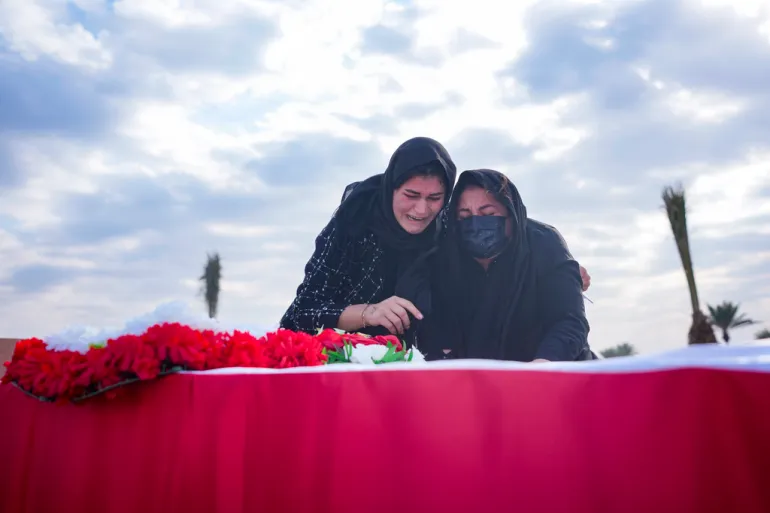
The remains of 25 Yazidi victims killed by ISIS are set to be returned to their families in Shingal next week, following the completion of DNA identification procedures in Baghdad.
The handover, scheduled for October 1, will be the ninth phase of returning identified Yazidi victims to their families for burial in their hometowns.
Mass Graves And Identification
The remains were recovered during ongoing efforts to exhume mass graves in Shingal and identify victims through forensic and DNA examinations.
According to figures cited by the Kurdistan Regional Government, 93 mass and individual graves have been identified in Sinjar and surrounding areas, while 296 bodies have so far been identified through DNA testing and returned to their families. Dozens of other graves remain to be fully investigated.
Other recent assessments have reported different totals depending on whether they count mass graves alone or include individual burial sites, and depending on the stage of exhumation and identification.
In September, authorities also began reopening a burial site at the Sharaf al-Din Shrine containing remains previously recovered from the Khanasor and Bardiya areas. The remains are being transferred to Baghdad for DNA analysis and matching with relatives.
Yazidi Missing Persons
The return of the 25 victims comes as the fate of thousands of Yazidis abducted during the ISIS assault on Shingal remains unresolved.
The caretaker KRG says 2,526 Yazidis remain missing, while more than 6,400 Yazidis were abducted during the 2014 attack.
The Office for the Rescue of Yazidis and other organizations have continued efforts to locate survivors and missing people, while forensic teams continue working to identify remains recovered from mass graves.
FYI
The identification and return of victims' remains remains an important part of the Yazidi genocide accountability and recovery process. Returning identified remains allows families to conduct religious and cultural burial rites, while the exhumation of additional graves provides evidence that can contribute to investigations into ISIS crimes.
The process remains incomplete. Recent work at the Sharaf al-Din Shrine and other sites shows that forensic teams are still recovering and reassessing remains years after the genocide. The continuing gap between exhumation, DNA identification and family reunification also highlights the need for sustained forensic capacity and coordination between Iraqi federal authorities, the Kurdistan Regional Government and international organizations.
Dive Deeper: Handpicked Stories for You
Follow Channel8 for continuous updates:
KRG Demands Global Action, Urges Baghdad to Fast-Track ISIS Trials and Enforce Shingal Pact
Yazidis Mark 11th Anniversary of Shingal Genocide With Demands for Justice and Action on Missing
53 minutes ago