Iraq Returns Remains of 153 Anfal Victims to Kurdistan
At a Glance
- The recently exhumed remains of 153 Anfal campaign victims are being handed over to the Kurdistan Region.
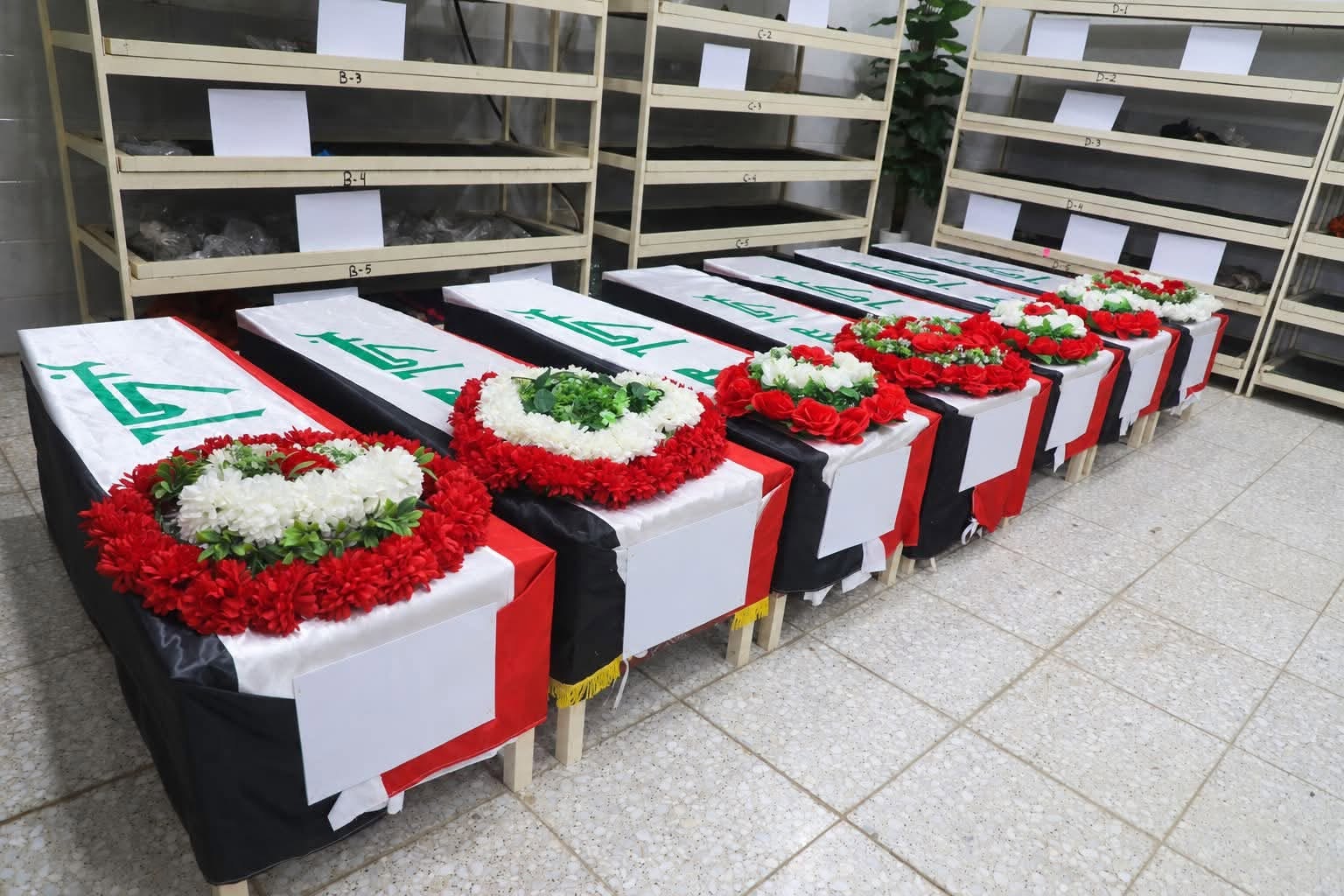
- All of the recovered remains belong exclusively to women and children.
- Search and excavation teams discovered the victims within a mass grave located in the Samawah desert.
- The transfer takes place on Saturday morning for temporary burial following approved official protocols.
The Iraqi Directorate of Mass Graves Protection and Missing Persons, in cooperation with the Ministry of Health's Forensic Medicine Department, is handing over the remains of 153 Anfal campaign victims, all of whom are women and children exhumed from a mass grave in the Samawah desert, to the Kurdistan Region for temporary burial.
Key Statements and Focus Area
- The Directorate of Mass Graves Protection and Missing Persons said that, “The group consists of 153 remains, all of whom are women and children from the victims of the Anfal campaigns.”
- The Directorate noted that, “They will be handed over to the competent authorities in the Kurdistan Region for transportation and temporary burial in accordance with approved procedures and regulations.”
The Mass Graves Directorate announced on Friday that, in coordination with the Ministry of Health's Forensic Medicine Department, it is preparing to hand over a newly recovered group of martyrs' remains on Saturday morning as part of ongoing national efforts to identify missing persons and bring justice to mass grave victims.
The group consists of the remains of 153 Anfal campaign victims, all women and children, who will be transferred to competent authorities in the Kurdistan Region for temporary burial in accordance with approved regulations.
The transfer is being conducted through close coordination with Parwin Nouri, the presidential advisor for missing persons and mass graves affairs, alongside cooperation from relevant national institutions.
According to the directorate, the remains were exhumed from a mass grave by search and excavation teams from the Mass Graves Directorate, working in collaboration with the Forensic Medicine Department.
“They were discovered within sites belonging to the victims of the Anfal campaigns committed by the former ousted regime, specifically in the Samawah desert,” the statement noted.
The directorate stressed that the transfer is part of an ongoing humanitarian effort to protect the dignity of the victims, noting that the process will continue until the completion of scientific testing to identify the remains and enable their final delivery to their families for permanent burial.
The statement reaffirmed the directorate's commitment to its legal and humanitarian responsibilities toward the victims and their families, pledging continued coordination with relevant authorities to resolve the mass graves and missing persons file.
“This aims to solidify their right to know the fate of their loved ones, recover their remains, and bury them in a manner that befits their human dignity,” it added.
FYaI
The Anfal campaign was a systematic genocide launched between 1987 and 1989 by the former Baathist regime against the Kurdish population in northern Iraq.
Led by Ali Hassan al-Majid, commonly known as "Chemical Ali", under the direction of Saddam Hussein, the military operation resulted in the forced displacement and mass execution of an estimated more than 180,000 Kurdish civilians.
Whole villages were destroyed, chemical weapons were deployed against civilian populations, and thousands of men, women, and children were systematically rounded up, executed, and buried in secret mass graves across remote areas of central and southern Iraq.
The discovery of this mass grave in the southern Samawah desert reflects a common pattern of the genocide, where victims, particularly vulnerable groups like women and children, were transported far from their homes to be executed in remote desert terrain. Over decades, Iraqi national authorities, including the Mass Graves Directorate and Forensic Medicine Department, in coordination with the Kurdistan Regional Government have engaged in continuous efforts to excavate these hidden sites.
Because the remote desert environments complicate preservation and identification, authorities frequently utilize temporary burials in the Kurdistan Region while complex scientific testing, forensic anthropological analysis, and DNA profiling are carried out to return the remains to their surviving families for final, dignified resting.
Dive Deeper: Handpicked Stories for You
Follow Channel8 for continuous updates:
Nugra Salman Fortress: Desert Prison of Anfal Genocide
Text of Ajaj of Nugra Salman's Death Sentence Ruling Released
1 hour ago