Iraq Deputy Speaker Opposes Ban on Iranian Civilian Flights
At a Glance
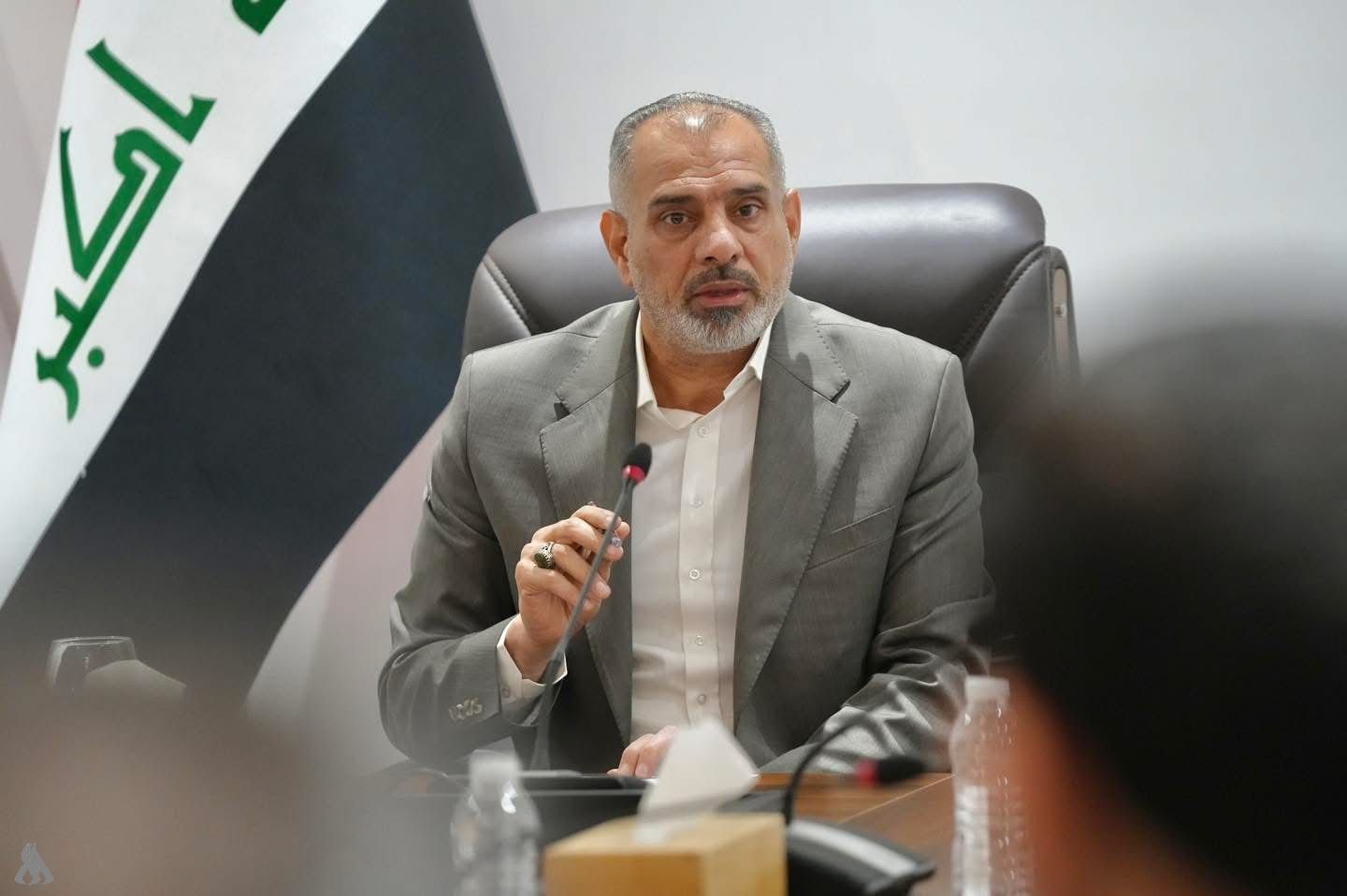
- Iraq’s First Deputy Speaker Adnan Faihan al-Dulaimi criticized the implementation of measures banning Iranian civilian flights at Iraqi airports.
- Fayhan called the decision hasty, insufficiently studied and contrary to Iraq’s Constitution.
- He warned the ban could hurt religious tourism, aviation companies, travel agencies and Iraq’s aviation-related revenues.
- Fayhan questioned the government over plans to compensate businesses and workers affected by the decision.
Iraq’s First Deputy Speaker Adnan Faihan al-Dulaimi has criticized the decision to implement a ban on Iranian civilian flights at Iraqi airports, warning of economic losses and questioning the government over plans to compensate affected sectors.
Key Statements
“This hasty and insufficiently studied decision does not comply with the principle of neutrality and is contrary to the Constitution.”
— Adnan Faihan al-Dulaimi
“The unilateral U.S. sanctions are not an international obligation binding on Iraq merely because they were imposed by Washington.”
— Adnan Faihan al-Dulaimi
“The ban leads to a direct decline in tourism and commercial revenues and causes major losses for airlines and travel agencies.”
— Adnan Faihan al-Dulaimi
“What are your plans to compensate for the damage to the religious tourism sector and those working in it?”
— Adnan Faihan al-Dulaimi
Economic Impact of Iranian Flight Restrictions
- Religious tourism: Faihan said Iranian airlines are a major carrier for hundreds of thousands of Iranian and Iraqi visitors, particularly through Baghdad and Najaf airports.
- Aviation revenues: He warned that fewer Iranian flights could reduce revenues from passenger-related services, ground handling and air-navigation fees.
- Private sector: Airlines, travel agencies, hotels and other businesses connected to religious tourism could face losses.
- Constitutional argument: Faihan argues that unilateral U.S. sanctions do not automatically create an international obligation for Iraq and says the decision requires an Iraqi legal or binding international basis.
- Parliamentary response: He said the Council of Representatives is prepared to hold an extraordinary session and take oversight measures if the decision is not reversed.
Data Table
| Issue | Fayhan’s Position |
|---|---|
| Iranian civilian flights | Opposes the ban |
| Economic impact | Says it could reduce tourism and commercial revenues |
| Religious tourism | Says Iranian airlines carry large numbers of visitors |
| Aviation sector | Warns of losses for airlines and travel agencies |
| Government response | Asks how affected sectors will be compensated |
| Parliament | Says an extraordinary session could be considered |
FYI
Faihan’s statement adds parliamentary opposition to the debate over Iraq’s implementation of restrictions on Iranian civilian aviation. His argument combines economic concerns with a constitutional claim that Baghdad should not automatically apply unilateral U.S. sanctions without a separate Iraqi legal basis or binding international obligation.
The issue is particularly relevant to Iraq’s religious-tourism sector, where Iranian visitors are an important component of passenger traffic through Baghdad and Najaf. Faihan also raised a broader concern over possible reciprocal measures by Iran, including potential disruption to Iranian gas supplies to Iraq; that scenario is his warning, not a confirmed development.
Dive Deeper: Handpicked Stories for You
Follow Channel8 for continuous updates:
Qais Al-Khazali Rejects Iraq’s Participation in Iran Blockade
Iraq Seeks U.S. Airport Waivers for Iranian Civilian Flights
46 minutes ago