Morocco Names First Woman Prime Minister
At a Glance
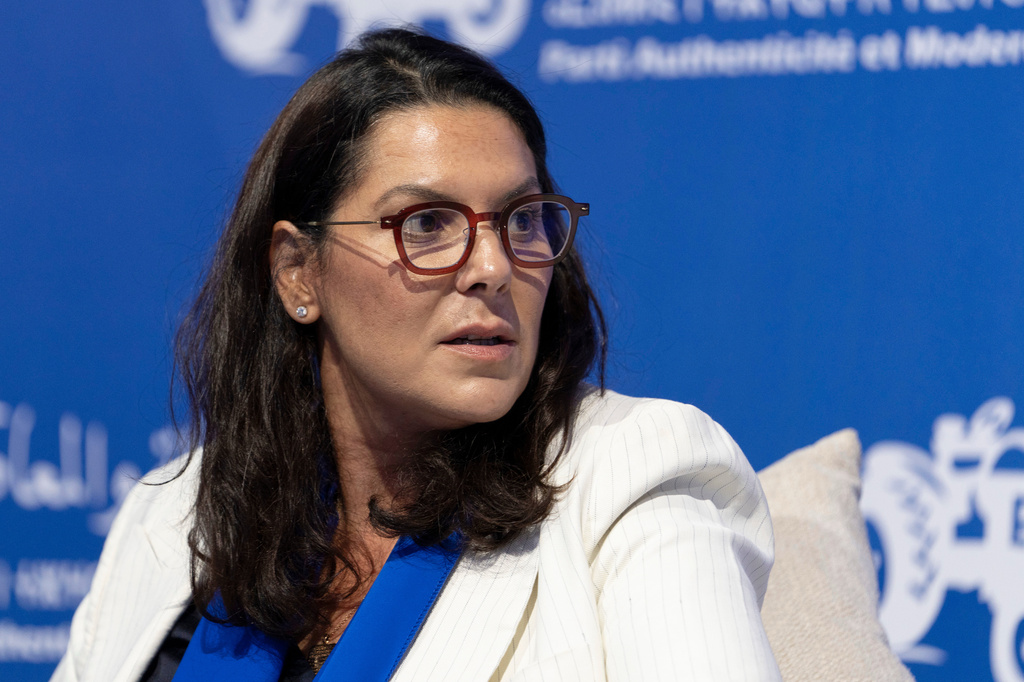
- King Mohammed VI has appointed Fatima Zahra Mansouri as Morocco’s prime minister.
- Mansouri becomes the first woman to lead Morocco’s government.
- Her appointment follows the Authenticity and Modernity Party’s victory in elections.
- She now faces coalition talks because her party lacks a parliamentary majority.
Morocco has appointed its first woman prime minister following parliamentary elections that left the leading party short of a majority.
Key Statements and Focus Area
- Government Formation: “The party will work with whoever is chosen.” — Fatima Zahra Mansouri, following the election results.
- Coalition Approach: “There are no ‘red lines’ regarding alliances.” — Fatima Zahra Mansouri, on forming the next government.
- Focus Area: Mansouri’s appointment shifts attention to coalition negotiations and the priorities facing the incoming government, including jobs, wages, inflation, and preparations for the 2030 FIFA World Cup.
Historic Appointment
King Mohammed VI appointed Mansouri on Tuesday and tasked her with forming a new government. The 50-year-old lawyer previously served as urban planning minister and mayor of Marrakech. Her appointment makes her the second woman to serve as a prime minister in the Arab world, after Tunisia’s Najla Bouden.
Mansouri joined the Authenticity and Modernity Party, known as PAM, when it was established in 2008. She became one of its leading figures and has served twice as mayor of Marrakech. She also served as a member of parliament.
Coalition Talks Ahead
PAM won 97 of the 395 seats in Morocco’s House of Representatives, making it the largest party but leaving it 101 seats short of the 198 needed for a majority. The result means Mansouri must negotiate with other parties to form a government.
The Justice and Development Party, which increased its representation to 54 seats, has said it will remain in opposition. The left-wing Federation of Democratic Left has also indicated it will stay outside the government.
Priorities For The Next Government
The incoming government is expected to oversee major investment linked to Morocco’s preparations to co-host the 2030 FIFA World Cup with Spain and Portugal.
It will also face domestic economic pressures, including demands for higher wages, more employment opportunities, and action on the cost of living. The election campaign was held amid concerns over unemployment and public services.
Mansouri’s Political Background
Mansouri studied law at the University of Montpellier in France and entered national politics after building a career in Marrakech. She has been a senior figure in PAM since its creation and became its general secretary in 2024.
She has also faced allegations of conflicts of interest concerning land transactions in Marrakech. Mansouri denied the allegations as defamatory and took legal action, according to the report provided.
FYI
Morocco’s 2011 constitutional reforms changed the process for appointing the head of government. The king retains the power to appoint the prime minister, but the appointee must come from the party that wins the most seats in parliamentary elections.
The September 23 election produced a 38% turnout, with PAM taking the largest share of seats but falling short of a majority. The result has made coalition formation the next major step before the new government can take office.
Dive Deeper: Handpicked Stories for You
Follow Channel8 for continuous updates:
Morocco Warned Spain Prior to Mass Ceuta Migrant Influx
Iraq's Foreign Minister Meets Iraqi Community in Morocco, Highlights Strengthening Ties
1 hour ago