Doctors Warn Against Energy Drinks Targeting Youth
At a Glance
- Doctors are urging caution over energy drink consumption among children.
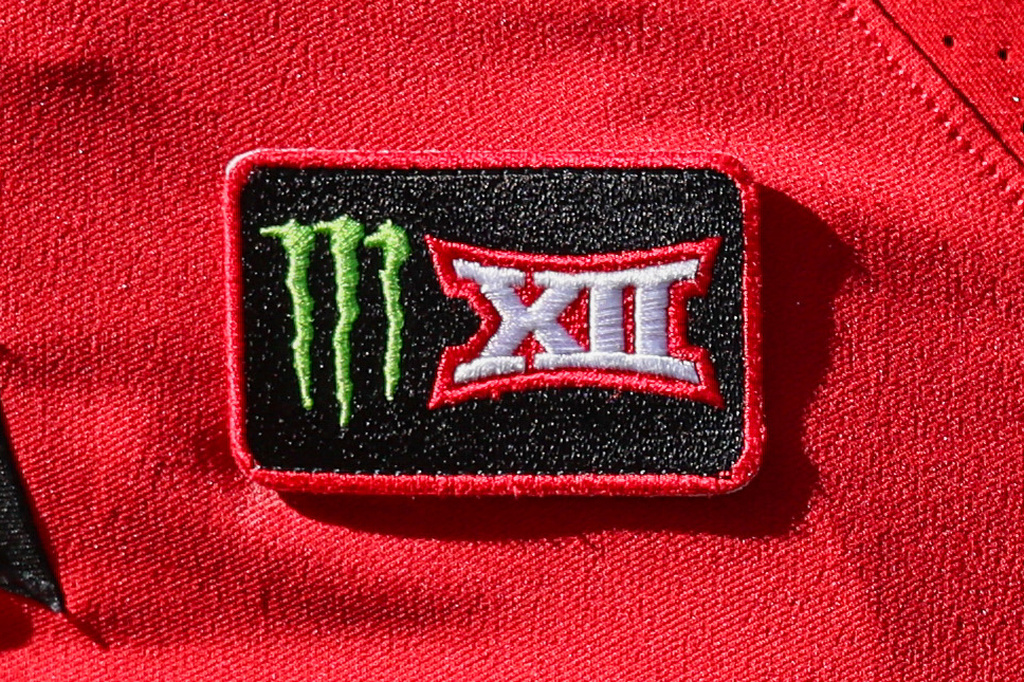
- The warning follows a new Monster Energy sponsorship with the Big 12.
- Medical groups say children and teens should avoid energy drinks.
- Doctors are also concerned about caffeine from multiple beverages.
Doctors are renewing warnings about the risks of energy drinks for children and teenagers, as concerns grow over their growing visibility in youth sports.
Key Statements and Focus Area
- Youth Marketing: “Kids will think of them as sports drinks, which they’re not.” — Dr. Matthew Nelson, Idaho cardiologist.
- Health Risks: “The heart can wear out, the nervous system can go haywire, and you can have really serious consequences.” — Dr. Tamara Hannon, Indiana pediatrician.
- Focus Area: The debate centers on caffeine exposure among young people and the role of sports sponsorships in shaping how energy drinks are perceived by children.
A newly formed coalition of doctors has highlighted the concern following Monster Energy’s sponsorship agreement with the Big 12 Conference. The group is asking conference officials to pause the deal and wants the NCAA to review energy drink marketing to young audiences.
The doctors’ concerns extend beyond Monster Energy to the broader energy drink industry and its presence around youth and collegiate athletics.
The Big 12 agreement includes branding on football and basketball jerseys, playing surfaces, and digital and social media platforms. The conference said energy drink companies have previously been involved in collegiate sports sponsorships.
The NCAA has said it does not have authority over individual conference or school sponsorship agreements. Its chief medical officer also pointed to educational resources on caffeine and student-athlete health.
Caffeine Levels Raise Concerns
Energy drinks can contain between 80 and 300 milligrams of caffeine per serving, depending on the product. An eight-ounce coffee generally contains around 80 to 100 milligrams, while some soft drinks contain considerably less.
The American Academy of Pediatrics recommends that adolescents between 12 and 18 limit caffeine consumption to 100 milligrams a day and advises against caffeine for younger children.
Federal Monitoring the Future survey results found that 23% of 12th graders, 20% of 10th graders, and 18% of eighth graders reported consuming energy drinks daily. Doctors say the risks can increase when young people combine several sources of caffeine during the same day.
What Doctors Recommend
The Centers for Disease Control and Prevention recommends that parents, teachers, and coaches help children understand the difference between energy drinks and sports drinks.
Sports drinks are formulated to replace fluids and electrolytes lost through physical activity, while energy drinks typically contain stimulants such as caffeine.
Pediatricians also advise families to discuss their children’s beverage consumption during routine medical visits and pay attention to caffeine coming from multiple sources.
FYI
Medical groups, including the American Academy of Pediatrics, recommend that children and teenagers avoid energy drinks because of their caffeine and stimulant content. The American Beverage Association, which represents major companies in the category, says its members provide caffeine information on labels and do not sell or market energy drinks in K-12 schools.
Dive Deeper: Handpicked Stories for You
Follow Channel8 for continuous updates:
Australia Investigates OpenAI Breach of Health Portal
2 hours ago