Iraq Seeks Funding to Expand Oil Tanker Fleet
At a Glance
- Iraq’s Oil Ministry is seeking government funding to purchase tankers for its state-owned oil tanker company.
- The planned fleet expansion is intended to strengthen crude transportation and export operations.
- Iraq currently has a limited tanker fleet despite its dependence on crude oil exports.
- The proposal comes as the ministry continues investment across the country’s oil sector.
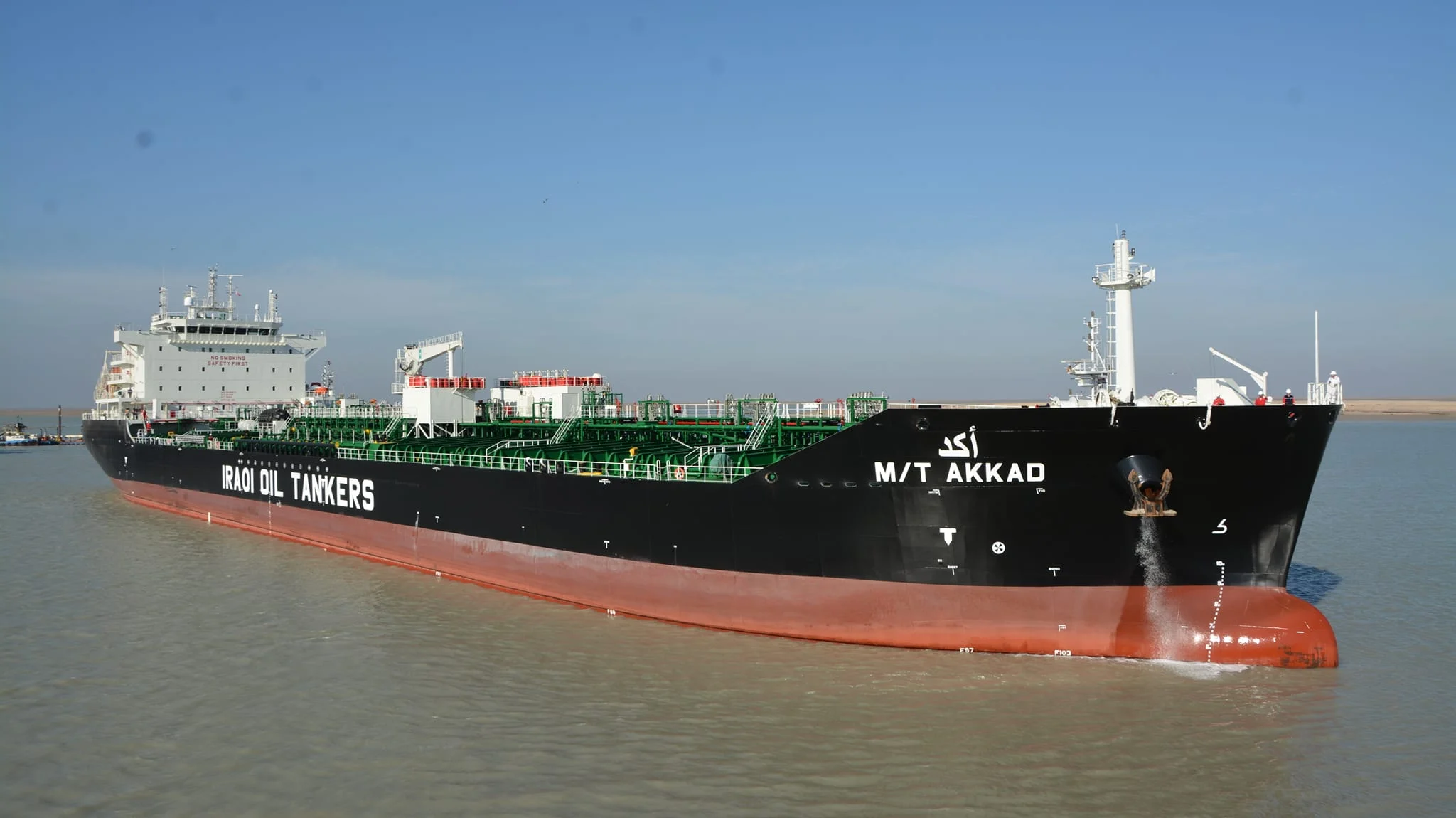
Iraq is seeking to expand its capacity to transport crude oil by sea through a proposed investment in new oil tankers.
Key Statements and Focus Area
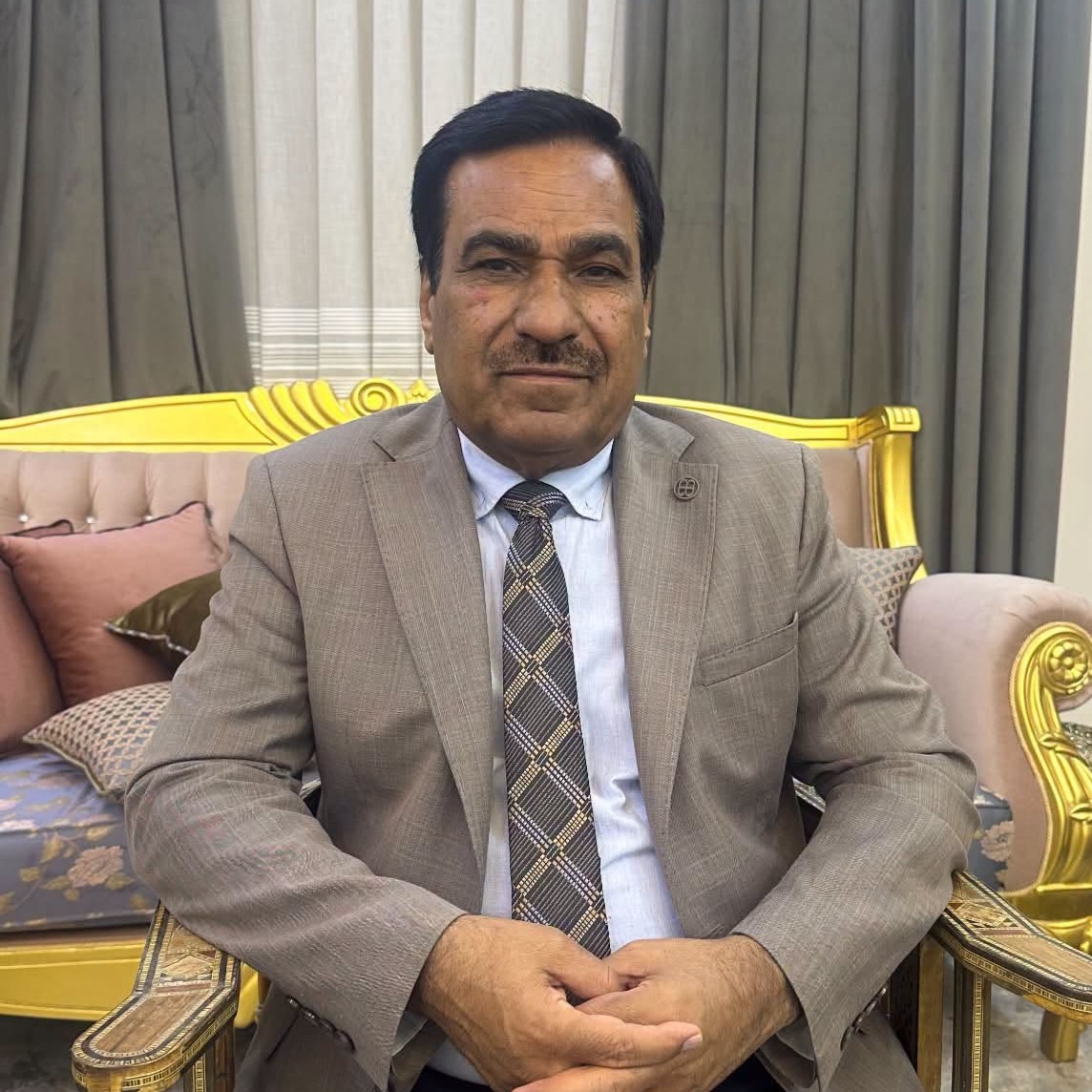
- Fleet Development: "The ministry, in coordination with the government, is seeking to secure the required financial allocations to purchase oil tankers for the Iraqi Oil Tankers Company." — Oil Minister Basim Mohammed Khudair.
- Export Operations: "Contributing to the company's development and enabling it to carry out crude oil transport operations." — Oil Minister Basim Mohammed Khudair.
- Focus Area: The proposal centers on strengthening Iraq’s national oil transport infrastructure and increasing the role of the Iraqi Oil Tankers Company in crude exports.
The planned purchases would give the state-owned company greater capacity to handle crude transportation as Iraq continues to rely heavily on oil exports for government revenue.
Iraq's current tanker fleet includes vessels of different sizes and capacities. Four of the company's larger vessels are the Baghdad, Shatt Al-Arab, Dijlah, and Al-Forat, with their combined capacity reported at around 1.5 million barrels.
The absence of a larger fleet capable of handling very large crude shipments has remained a gap in Iraq's maritime export infrastructure. Very Large Crude Carriers, or VLCCs, are designed to transport substantially larger quantities of crude than conventional tanker classes.
The proposed investment would therefore involve not only purchasing vessels but also expanding the operational capacity of the Iraqi Oil Tankers Company, including its ability to participate more directly in crude transportation.
The ministry has also been among Iraq's major recipients of capital spending. Investment expenditure under the oil ministry exceeded 12.873 trillion Iraqi dinars in 2025, according to the figures provided.
The ministry's wider investment program includes exploration, field development, and efforts to increase hydrocarbon reserves. Official oil-sector information shows that the ministry has continued advancing exploration projects and developing new blocks as part of its longer-term plans for the sector.
FYI
The Iraqi Oil Tankers Company is the state entity responsible for maritime oil transportation. Expanding its fleet would give Iraq greater direct capacity within a sector where much of the country's crude export infrastructure is linked to large-scale maritime shipments.
Iraq remains one of the world's major oil-producing countries, making the availability of transportation infrastructure an important part of its export chain. The government's proposal focuses specifically on increasing national tanker capacity rather than expanding crude production itself.
Dive Deeper: Handpicked Stories for You
Follow Channel8 for continuous updates:
Iraq Targets 10 Million Barrels Daily Amid Investment Push
Iraq Offers Deeper Oil Discounts Amid Shipping Disruptions
Iraqi Oil, Finance Ministers Seek "Realistic" Pricing For 2027 Budget