Iraqi Economist: Dollar Salaries Would Deplete Iraqi Reserves in Eight Months
At a Glance
- Iraqi economist al-Marsoumi said shifting to dollar payrolls would exhaust the central bank's 76 billion USD reserves in just eight months.
- The policy would strip the central bank of its independence and its vital function as the "lender of last resort."
- Speculation would continue, widening the gap between the official exchange rate and the parallel market.
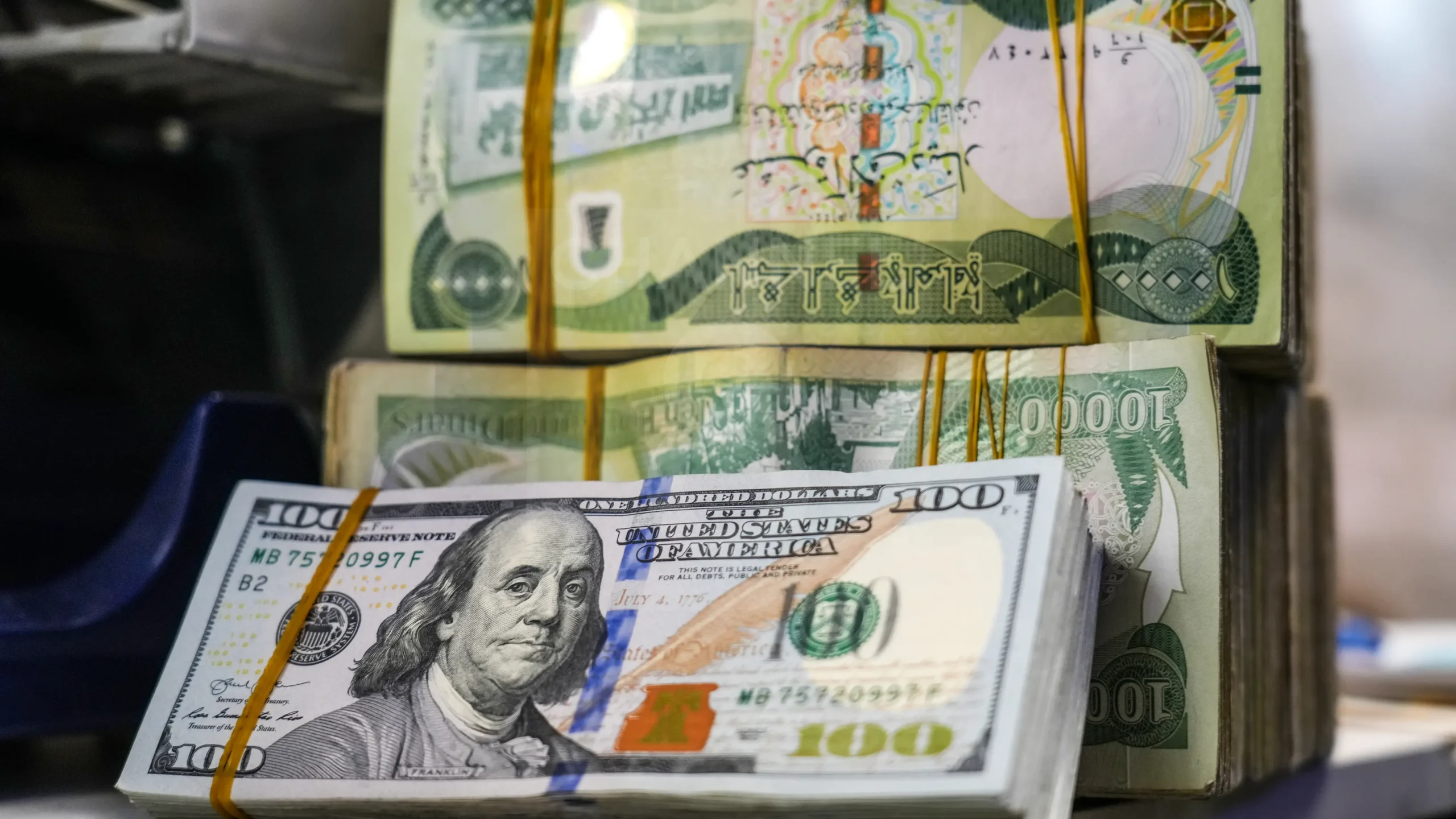
Denominating Iraqi public sector salaries in US dollars would completely drain the central bank's $76 billion foreign reserves in just eight months, prominent economist Nabil al-Marsoumi warned on Friday.
Key Statements and Focus Area
- Economist Nabil al-Marsoumi issued a stark warning against denominating public sector salaries in foreign currency, stating that it would cause an immediate fiscal crisis.
- Al-Marsoumi explained that the Central Bank of Iraq (CBI) would require roughly 10 billion USD monthly to simultaneously finance national imports and cover dollar-denominated payrolls, completely draining the country's cash reserves.
Al-Marsoumi challenged the popular misconception surrounding state funds, explaining that "foreign reserves are not a financial allocation within the budget, nor are they a free balance at the disposal of the public finance authority."
Instead, he emphasized that they are highly strategic assets managed strictly to maintain price stability, guarantee import financing, and "strengthen confidence in the dinar and the financial system."
The economist noted that distributing dollars directly to citizens would fail to curb currency auction demands. Instead, "speculation on the dollar for quick profits will continue," which would destabilize the local market and increase the gap between the official exchange rate and the parallel market.
Beyond market metrics, al-Marsoumi warned that the shift would cause a "loss of monetary policy independence" and the absence of a "key symbol of national identity and sovereignty," while burdening the state with significant administrative costs and a severe currency mismatch across economic sectors.
FYI
The push for dollar-denominated public payrolls emerged as a direct response to severe domestic inflation and a controversial currency adjustment. The Central Bank of Iraq implemented a 14.5% dinar devaluation, setting the official sale rate at 1,520 IQD per dollar effective October 7.
Following the government's decision to devalue the national currency, the parallel market suffered a severe shock, sending the street value of the U.S. dollar surging toward 1,700 to 1,800 IQD per $100.
Speaking to Channel8 earlier, economic expert Haider al-Sheikh warned that a widening gap between official and parallel exchange rates will exert severe financial pressure on fixed-income earners while increasing the cost of food and consumer goods.
He estimated that the purchasing power of public salaries could effectively plunge by approximately 40 percent if the official exchange rate is adjusted upward to that level.
This rapid market shift caused public servants to face an immediate 15% to 40% loss in purchasing power, triggering widespread public demands and social media trends calling for the dollarization of state salaries to shield fixed-income earners from inflation.
The political debate intensified during a Friday sermon in Najaf today, when Sadr Al-Din Al-Qubbanji, a prominent cleric and senior leader in the Islamic Supreme Council of Iraq, publicly urged the government to pivot to U.S. dollar payments to protect citizens' living standards if the painful devaluation remains in place.
This domestic crisis is deeply rooted in Iraq's reliance on oil for roughly 90% of its revenues, which are collected internationally in U.S. dollars. Severe regional conflicts, including critical shipping disruptions in the Strait of Hormuz, recently caused the country's oil export revenues to collapse to historic lows.
Prime Minister Ali al-Zaidi explained to parliament that the state requires 10 trillion dinars monthly just to secure public salaries and welfare, but the government was trapped by a massive 29 trillion dinar shortfall.
Faced with the painful choices of imposing compulsory employee savings, delaying pay cycles to every 45 days, or devaluing the currency, the administration chose devaluation to maximize the dinar-value of its remaining oil dollars.
Dive Deeper: Handpicked Stories for You
Follow Channel8 for continuous updates:
Al-Zaidi Defends Dinar Exchange Rate Change in Parliament
Lawmaker: Parliament Summons PM Over Iraqi Dinar Devaluation Crisis
2 hours ago