CBI Strictly Monitors Banks Over Exchange Rate Fees After October 7 Adjustment
At a Glance
- The Central Bank of Iraq is strictly monitoring financial operations following the October 7 currency adjustment to protect merchants.
- Import companies must contact commercial banks to verify the execution of all remittances due prior to October 7.
- The apex bank has already pre-funded commercial bank accounts to fully cover these specific legacy orders.
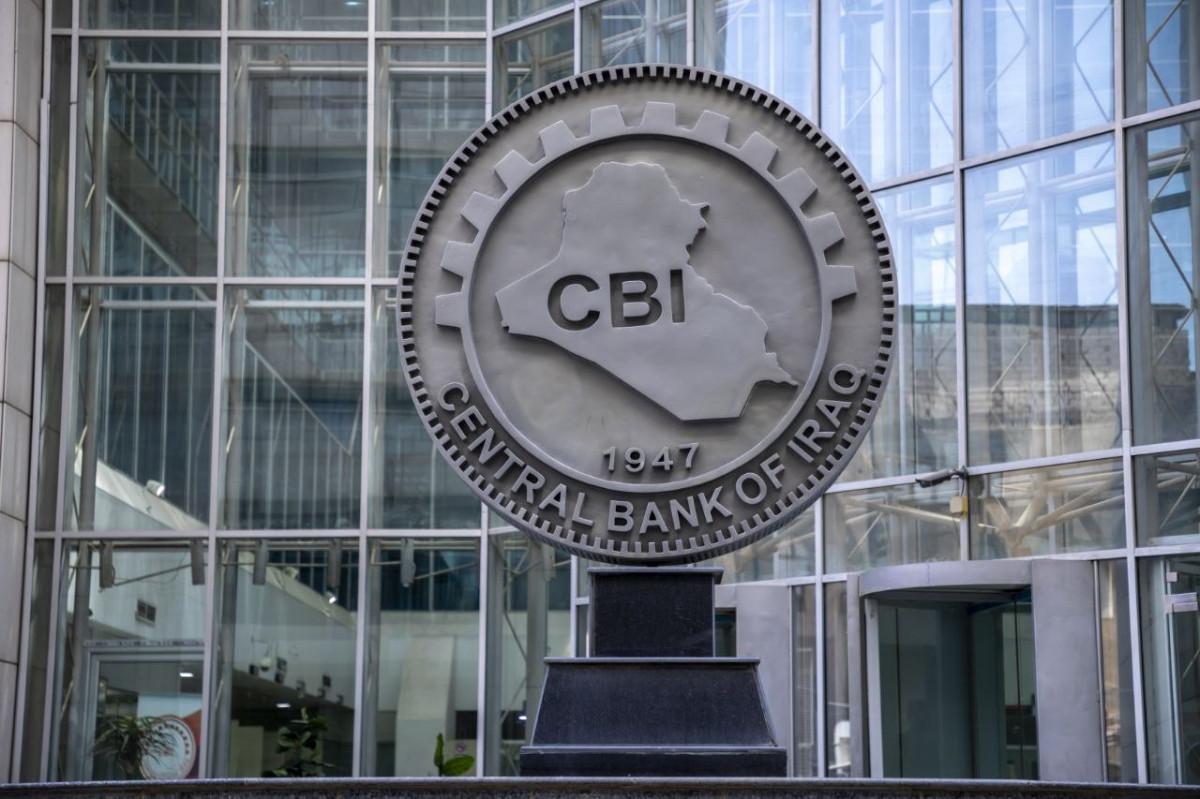
The Central Bank of Iraq (CBI) announced it is strictly monitoring banking operations following its recent exchange rate adjustment to ensure commercial banks do not penalize merchants with unauthorized currency fees on pre-existing import remittances.
Key Statements and Focus Area
- The Central Bank has urged merchants to confirm pre-October 7 remittances, warning banks against charging extra exchange rate differences.
- The CBI stated that it is "monitoring banking operations executed before and after the exchange rate adjustment and is verifying banks' compliance with effective instructions and regulations to ensure the protection of the rights of merchants and clients."
The Central Bank has urged import companies and merchants to contact their commercial banks to verify the execution of all remittances due prior to October 7, 2026.
The regulator emphasized that this verification is vital because the central bank has already pre-funded commercial bank accounts to fully cover these specific remittance orders.
Additionally, the apex bank reaffirmed that it is closely monitoring transaction delays to guarantee that merchants are exempt from paying exchange rate differentials on remittances verified and funded under the previous tariff.
Looking forward, the CBI is collaborating with commercial banks and electronic payment providers to introduce specialized foreign trade cards designed to streamline import financing for small-scale merchants under upcoming central bank regulations.
FYI
The banking regulator's rigorous compliance campaign follows market instability triggered by the sudden devaluation of the Iraqi dinar on October 7.
Acting on an emergency recommendation from the Ministry of Finance, the Iraqi Cabinet issued Resolution No. 544 to overhaul the state’s fiscal policy structure.
The new monetary mandates established an aggressive restructuring of the official USD/IQD exchange window, raising Ministry of Finance purchases from approximately 1,300 IQD to 1,500 IQD, sales to commercial banks from roughly 1,310 IQD to 1,510 IQD, and retail sales to the public from 1,320 IQD to 1,520 IQD per US dollar.
This policy shift effectively made purchasing foreign currency 15% more expensive at the official window, dealing an immediate blow to domestic purchasing power.
The sudden policy change instantly caused friction between local merchants and commercial banks as the street value of the dollar rapidly drifted toward 1,685 IQD, prompting several local banking institutions to attempt to extract the newly introduced exchange rate differences from business accounts on pre-existing orders.
Consequently, to minimize economic disruption, the Central Bank of Iraq intervened by ordering commercial entities to execute all import financing transactions initiated before October 7 at the legacy rate.
Dive Deeper: Handpicked Stories for You
Follow Channel8 for continuous updates:
Iraqi Economist: Dollar Salaries Would Deplete Iraqi Reserves in Eight Months
Al-Zaidi Defends Dinar Exchange Rate Change in Parliament
Lawmaker: Parliament Summons PM Over Iraqi Dinar Devaluation Crisis
44 minutes ago