Iraqi National Security Advisor Outlines One-Month Plan to Resolve Sinjar Security and Governance Crisis
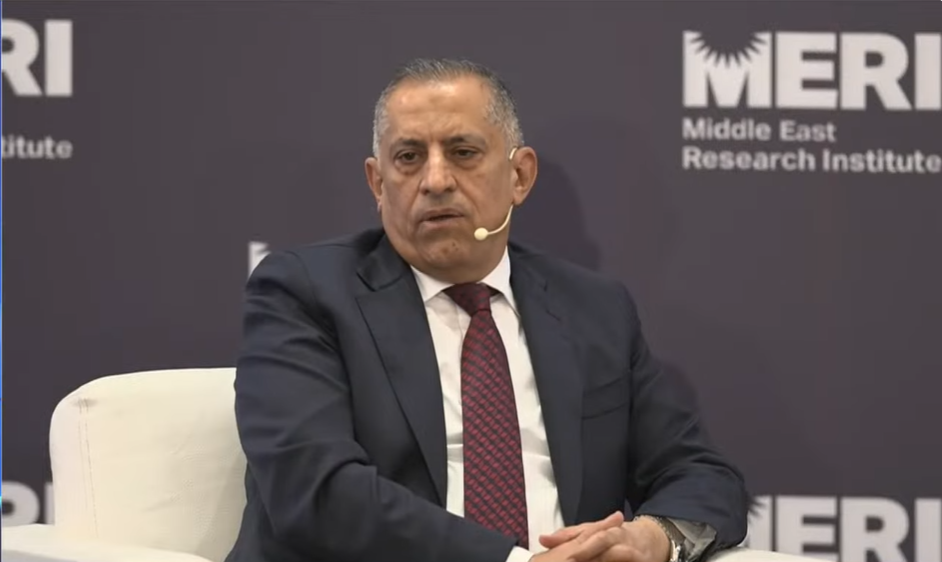
At a Glance
- Iraqi National Security Advisor Qasim Al-Aboudi announced that the security and administrative crisis in Sinjar will be resolved in a staged process within a month.
- The federal government has firmly rejected independent armed factions or military governors in the district, integrating 1,500 local fighters into security forces with another 1,500 prepared.
- Al-Aboudi noted that regional tensions involving Turkey are being addressed, with Ankara reportedly agreeing to withdraw from certain border positions starting from Bashiqa.
- Addressing broader security, Al-Aboudi acknowledged technical gaps following the coalition withdrawal but emphasized ongoing efforts to close security vacuums and manage ISIS detainee files.
The complex security, administrative, and humanitarian landscape of Sinjar took center stage as top federal security officials outlined a decisive roadmap to normalize conditions and restore state authority to the embattled district.
Key Statements and Focus Area
- Dismantling Autonomous Armed Units: The Iraqi PM's administration has rejected demands from local armed groups to operate as independent entities within Sinjar, insisting that arms must remain exclusively under state control. To facilitate this, 1,500 local fighters have already been integrated into state security structures, alongside plans for another 1,500 and the incorporation of 500 women into community police units.
- Administrative Deadlock and Mayoral Deadline: Pointing to partisan interference as the core hurdle behind delayed reconstruction and administrative stability, Baghdad has issued a strict 10-day ultimatum to the Nineveh Provincial Council to select an independent, civilian district mayor (qafl maqam) without party affiliations.
- Regional Dynamics and Demilitarization: Al-Aboudi noted that discussions with Turkey regarding cross-border military positioning have yielded commitments to pull back from Iraqi territory, beginning from Bashiqa. Furthermore, federal plans dictate that conventional military forces such as the Federal Police and Popular Mobilization Forces (PMF) will eventually withdraw from urban centers, leaving local populations to manage internal security.
Comprehensive Security Framework and Coalition Withdrawal
The national security advisor also addressed the broader post-coalition defense posture, acknowledging that while Iraqi forces lack the advanced surveillance technology of international partners, counter-terrorism operations remain robust. Prime Minister al-Sudani has directed extensive re-arming efforts to cover security vacuums left by departing coalition forces. Additionally, Baghdad has proposed a joint support fund for Iraq and Syria to counter cross-border extremist threats, even as domestic facilities face overcrowding pressures while managing thousands of detained ISIS suspects.
FYI
Sinjar is a historically multi-ethnic district in Nineveh Governorate with profound strategic and geopolitical significance, having suffered devastating structural and human displacement during the 2014 ISIS onslaught.
Dive Deeper: Handpicked Stories for You
Follow Channel8 for continuous updates:
Talabani Outlines PUK Policy and Regional Diplomacy at MERI Forum
Al-Sudani Says Iraq Must Play Active Role in Regional Affairs
Ahmed Mufti: Kurdistan Region Provides 24-Hour Power Using Its Own Gas
Rebar Ahmed Warns of ISIS Resurgence at MERI Forum as Officials Tackle Security Threats
1 hour ago