Al-Zaidi Proposes Thursday Session to Finalize Iraqi Government Lineup
At a Glance
- The Iraqi Prime Minister has formally requested a parliamentary session to complete Iraq's cabinet.
- Incoming Deputy Prime Ministers will serve under a strict "zero-salary" clause to eliminate financial burdens.
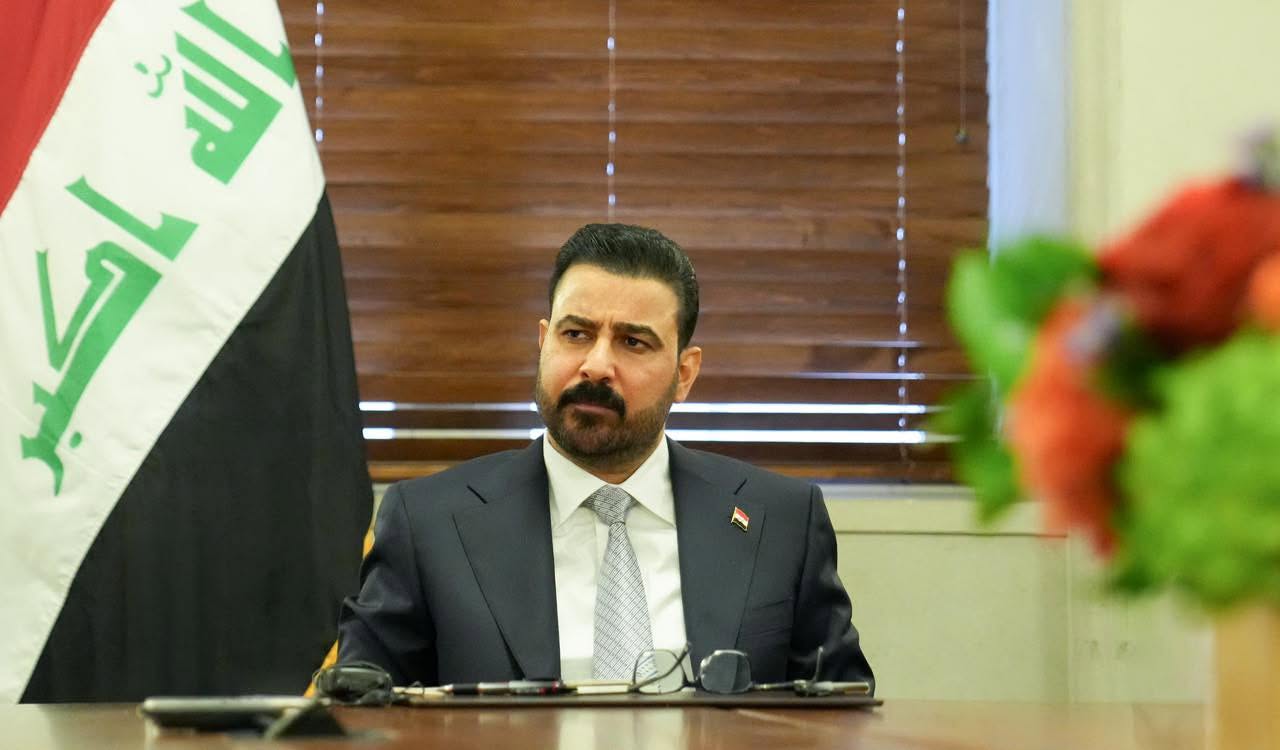
Iraqi Prime Minister Ali Falih Al-Zaidi has officially requested the Council of Representatives to convene a special parliamentary session this week to finalize the country's executive cabinet.
Key Statements and Focus Area
- In a formal letter dispatched to the Speaker of the Council of Representatives on October 13, the administration proposed Thursday, October 15, as the definitive date for lawmakers to present and vote on the remaining government portfolios.
- The Prime Minister’s request is legally anchored in Article 76 (Fourth) of the 2005 Constitution of the Republic of Iraq, which outlines the constitutional framework for government formation and cabinet completion.
The upcoming session aims to resolve long-standing vacancies by voting on three distinct categories: nominees for Deputy Prime Ministers, candidates for vacant ministries, and leadership for newly established ministries.
In a direct effort to address fiscal concerns and prevent institutional inflation, the Prime Minister’s directive introduces an unprecedented cost-saving measure.
Al-Zaidi explicitly mandated that the new Deputy Prime Ministers will serve without salaries, financial allocations, or any new staff appointments for their offices.
This binding clause effectively eliminates any added fiscal burden on the state treasury from the expansion of these executive roles.
FYI
When Parliament initially granted confidence to the government on May 14, 2026, only 14 out of 24 ministerial slots were approved, leaving the remaining strategic seats to be temporarily overseen by acting deputy ministers.
Official Letter No. 2688260 marks a critical procedural milestone for the administration. By issuing a formal, dated request to Parliament, the executive branch has initiated the required statutory process, shifting the responsibility to the parliamentary presidency to formally distribute the session agenda.
This move directly addresses a period of significant legislative paralysis. MP Omar Penjwini previously told Channel8 that lawmakers had returned to their respective provinces due to a lack of an official assembly schedule, which under parliamentary bylaws must be distributed 24 hours in advance.
The political gridlock is deeply rooted in internal rifts within the ruling Coordination Framework regarding the creation of several new ministries and the highly contested proposal to appoint four deputy prime ministers.
According to a source close to the Coordination Framework who spoke to Channel8, this structural expansion has sparked immediate pushback from watchdogs and widespread public concern in Najaf regarding the severe financial burdens it would impose on the state treasury during Iraq’s ongoing economic crisis.
Dive Deeper: Handpicked Stories for You
Follow Channel8 for continuous updates:
Rifts and Prime Minister's Visits Delay Iraqi Cabinet Completion Vote
Iraq Refutes Rumors of Establishing 'Artificial Intelligence Ministry'
2 hours ago