Iraq Exempts Imported Food and Medicines From Customs Duties
At a Glance
- Iraq’s Council of Ministers exempted imported food products and medicines from customs duties, effective October 7.
- The decision follows the government’s adjustment of the official exchange rate for the US dollar, which has increased pressure on import costs.
- Prime Minister Ali Faleh al-Zaidi had previously ordered customs duties and taxes on imported eggs, chicken and live animals for meat production to be postponed.
- The cabinet also approved additional proposed investment-budget allocations for the Interior Ministry and authorized the establishment of private universities and colleges under existing legislation.
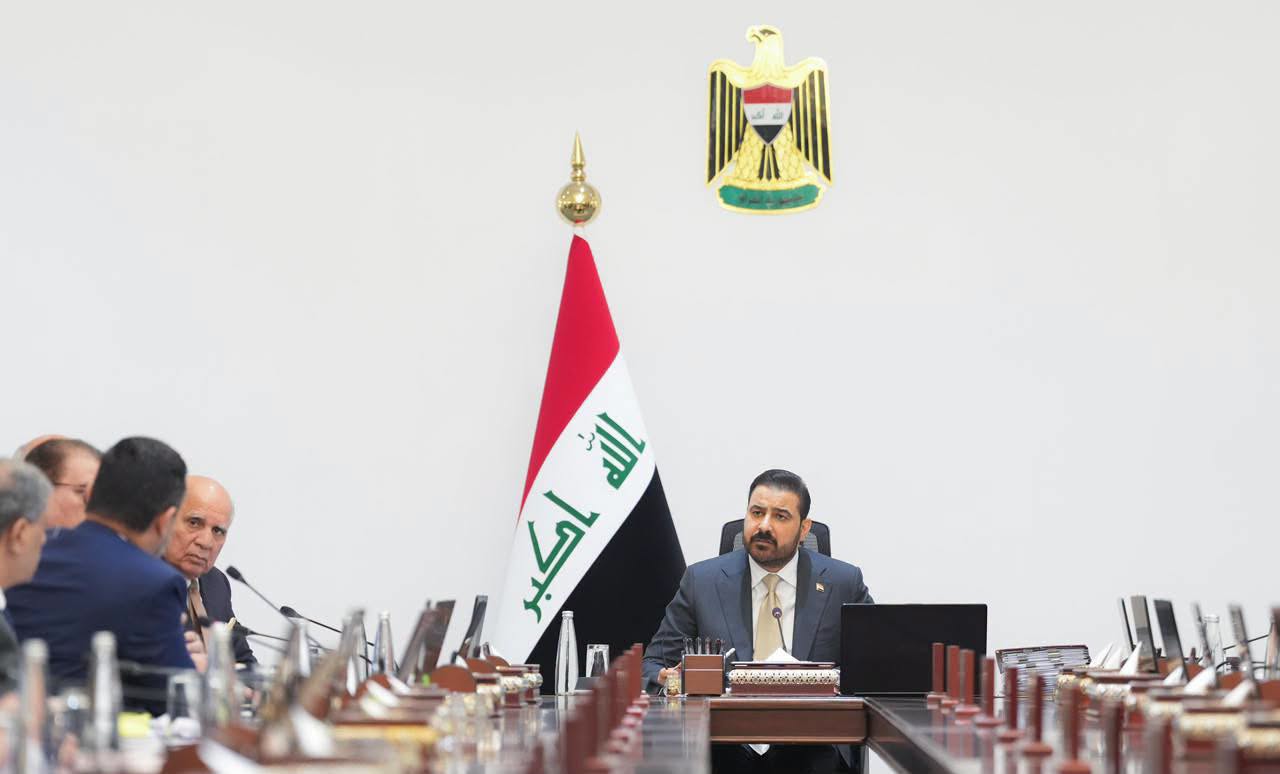
Iraq’s Council of Ministers has exempted imported food products and medicines from customs duties, with the measure taking effect from October 7, according to the Prime Minister’s Media Office. The decision, announced following a cabinet meeting chaired by Prime Minister Ali al-Zaidi on Tuesday, comes as the government responds to concerns over rising import costs following the dinar’s devaluation.
Key Statements and Focus Areas
Customs Exemption for Food and Medicines
The Council of Ministers said the exemption is intended to protect food security and public health. According to the cabinet’s announcement, the measure took effect on October 7.
The decision removes customs duties on the specified imported goods. The announcement, however, did not provide a detailed list of covered products or clarify whether additional implementation conditions apply.
Dinar Devaluation and Import Costs
The exemption follows a change in the value of the Iraqi dinar, which can increase the local-currency cost of goods purchased in foreign currencies. Food and medicines are particularly sensitive categories because they directly affect household expenses and access to essential supplies.
Removing customs duties may reduce some import costs, but it does not guarantee lower retail prices. The final effect will depend on exchange rates, transport and distribution expenses, supplier pricing, and whether importers pass the savings on to consumers.
Other Cabinet Decisions
During the same meeting, the Council of Ministers:
- Approved an increase in the total proposed investment-budget allocations for the Ministry of Interior for 2026, distributed across several projects.
- Approved the granting of establishment licences for private universities and colleges in accordance with Private Higher Education Law No. 25 of 2016.
The exchange-rate change has increased the amount of Iraqi dinars required to purchase goods priced in US dollars, creating additional cost pressures for importers. Food products and medicines are particularly sensitive categories because they directly affect household expenses and access to essential supplies.
FYI
The exemption highlights the government’s attempt to balance the fiscal effects of the dinar adjustment with the cost of essential goods. While the exchange-rate change increases the dinar value of dollar revenues, it can also raise the local cost of imports. Reducing customs duties may provide some relief, but it does not automatically guarantee lower consumer prices. The effectiveness of the measure will depend on implementation, market competition and the extent to which reduced import costs reach households.
Dive Deeper: Handpicked Stories for You
Follow Channel8 for continuous updates:
Al-Zaidi Proposes Thursday Session to Finalize Iraqi Government Lineup
Iraq Integrity Commission Halts Suspected Property Sale Irregularities
Iraq Refutes Rumors of Establishing 'Artificial Intelligence Ministry'
1 hour ago