Reducing Ultra-Processed Foods Linked to Improved Depression Symptoms
At a Glance
- A recent study published in JAMA Psychiatry reveals that cutting back on ultra-processed foods (UPFs) is associated with noticeable improvements in depression symptoms.
- Participants who reduced their UPF intake by over 85% demonstrated significantly lower depression scores across standard diagnostic measures.
- Experts suggest that the mood benefits may stem from reduced inflammation, improved gut-brain axis function, and better nutritional quality.
- Health professionals recommend making gradual, sustainable dietary swaps rather than attempting a complete kitchen overhaul.
New research highlights a potential dietary pathway for mental health care, as a clinical study links significant reductions in ultra-processed food consumption with eased depression and anxiety symptoms.
Study Insights and Proposed Mechanisms
- Clinical Findings: The small study tracked participants who slashed their UPF intake by more than 85%. Standardized assessments, including the PHQ-9 depression measure, showed average scores dropping from 8.68 during their usual diet phase down to 5.53 during the low-UPF phase.
- The Gut-Brain Connection: Nutritionists and psychologists point out that UPFs—industrial formulations packed with additives, artificial sweeteners, and preservatives—often lack essential fiber and micronutrients. These ingredients can disrupt the gut microbiome, which is responsible for producing the vast majority of the body's serotonin, while also contributing to oxidative stress and systemic inflammation.
- Practical Dietary Shifts: Dietitians emphasize that processing is not inherently bad, urging consumers to focus on overall dietary patterns rather than rigid labels. Sustainable changes include swapping sugary beverages for sparkling water, opting for whole-food snacks like nuts or fruit, and utilizing minimally processed convenience items like frozen vegetables and canned beans.
While researchers caution that larger, broader studies are needed to definitively prove a direct cause-and-effect relationship, the findings reinforce the vital connection between daily nutrition and psychological well-being.
FYI
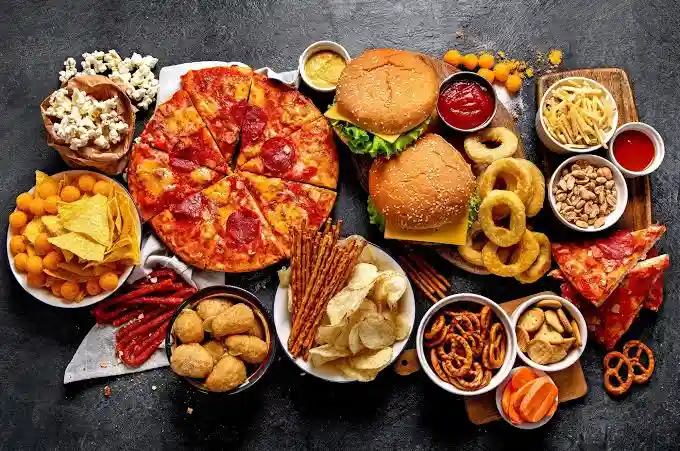
Ultra-processed foods (UPFs) are defined by the NOVA classification system as industrial food formulations made primarily from substances derived from foods and additives not typically used in home cooking, such as soft drinks, packaged snacks, and processed meats.
Dive Deeper: Handpicked Stories for You
Follow Channel8 for continuous updates:
2 hours ago