UNHCR Representative To Iraq Highlights Shifting Refugee Policies
At a Glance
- UNHCR Representative to Iraq Toby Harward stated that the agency is shifting from long-term aid provision to building refugee self-reliance and local economic integration.
- The new "50 by 35" initiative aims to cut global refugee dependency on humanitarian assistance in half by 2035.
- A multi-year decline in international donor funding is forcing the agency to adapt its traditional operating model.
- High Commissioner Dr. Barham Salih brings non-Western, executive, and first-hand refugee experience to navigate evolving global conflicts.
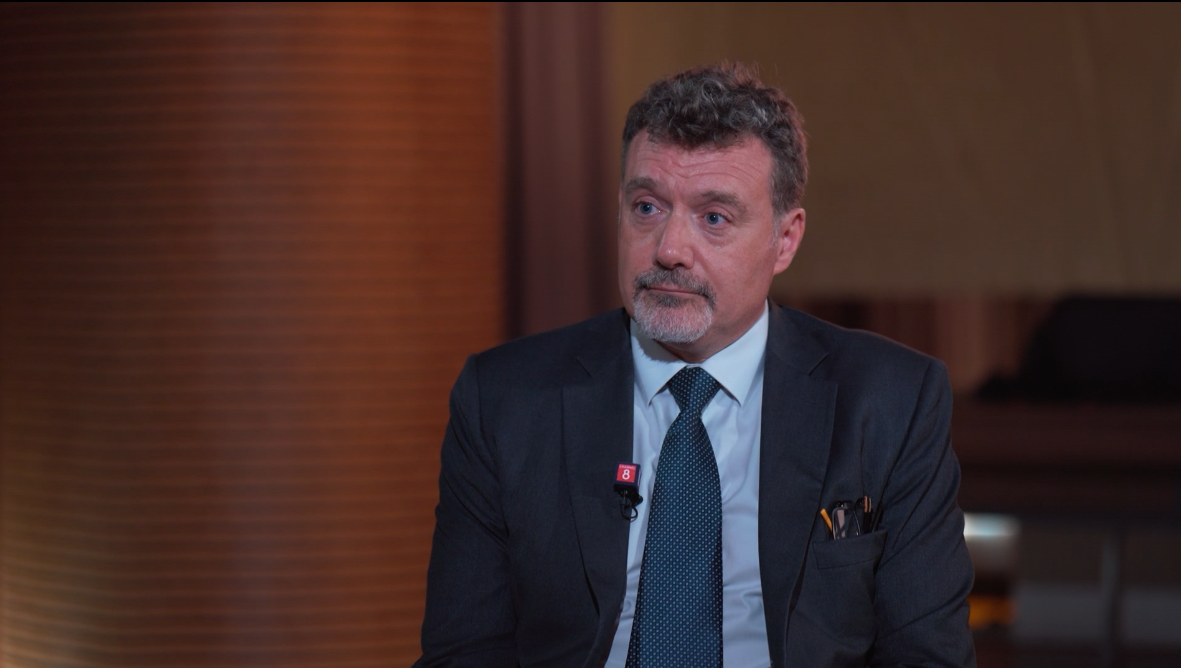
UNHCR (United Nations High Commissioner for Refugees) Representative to Iraq Toby Harward stated that a multi-year decline in global funding is driving a strategic shift toward building refugee self-reliance and local economic integration, aligning with a global target to reduce humanitarian dependency by 50% by 2035.
Key Statements and Focus Areas
- The UNHCR Representative told Channel8, "It is not possible to maintain long-term, protracted humanitarian responses when refugees remain in a country of asylum for an extended period. It is far better for them to be integrated—meaning they are granted access to public services, healthcare, and education within their host communities."
- "Our policies are entirely focused on building self-reliance, ensuring that refugees are equipped to look after themselves and are no longer dependent on humanitarian assistance," Harward stressed.
- He noted that, "It is incredibly refreshing for the UNHCR to have a new leader [Dr. Barham Salih], especially since High Commissioners typically serve ten-year terms."
In an exclusive interview with Channel8, Harward highlighted the agency’s long history of managing regional displacement alongside both the federal Iraqi government and authorities in the Kurdistan Region.
He praised the strong local partnership that began with Iranian influxes in the 1980s and later enabled an effective emergency response to the massive waves of Syrian refugees after 2011.
"In recent years, we have had to change and adapt our response. First, similar international funding is no longer available. Second, and more importantly, it is simply not sustainable to maintain long-term, protracted humanitarian responses when refugees remain in a country of asylum for an extended period. It is far better for them to be integrated into host communities, by which we mean granting them access to public services, healthcare, and education," he explained.
Harward highlighted that providing refugees with employment opportunities enables them to support the local economy and build valuable skills while preparing for their eventual return home.
He noted that roughly one-third of the 280,000 Syrian refugees in the Kurdistan Region live in camps, adding that those near urban centers benefit from commuting to jobs in local industries.
Harward argued that while the local economy has "benefited significantly" from integrated Syrian workers, those living in camps with stable livelihoods should pay for utilities instead of receiving them for free.
He also maintained that self-sufficient refugees should contribute financially at the same rates as local residents rather than remaining what "can be a burden on society."
Regarding the new leadership, Harward underlined that the international community wanted a head from outside traditional Western donor nations who possesses "personal refugee experience." He also said that Dr. Barham Salih’s non-Western background and extensive executive leadership are vital assets as the agency implements major strategic shifts to adapt to evolving global conflicts.
"In addition to his immense executive leadership track record here in Iraq, Dr. Barham Salih brings extensive global experience as an educator. He has assumed office at a critical turning point where we must adapt to changing humanitarian dynamics on the ground," he added.
Harward explained that the UNHCR's new "50 by 35" initiative aims to halve global refugee dependency on humanitarian aid by 2035 to foster long-term self-reliance. He noted that this strategic shift is critical as funding declines and rising conflicts in nations like Sudan and Yemen drive "escalating insecurity" and higher migration worldwide.
FYI
The UNHCR and Iraq share a four-decade history of cooperation that began in the 1980s and 1990s when the agency helped authorities manage waves of Iranian refugees fleeing regional conflicts.
This partnership underwent a major transformation after 2011 when the Syrian civil war triggered massive displacement, prompting the Kurdistan Regional Government to open its borders and grant refugees freedom of movement, legal work rights, and access to public services.
Today, the Kurdistan Region hosts the vast majority of the country's 300,000+ registered Syrian refugees, with roughly one-third residing across nine organized camps—such as Domiz, Qushtapa, and Arbat—and the remaining two-thirds living autonomously within local urban communities.
While this progressive integration policy has allowed many refugees to successfully join the regional workforce, multi-year declines in global funding are now pushing the UNHCR to transition these populations away from free, camp-based aid toward total local economic self-reliance.
Dive Deeper: Handpicked Stories for You
Follow Channel8 for continuous updates:
1 hour ago