Iraq Oil Output Rebounds Following Conflict-Driven Midyear Slump
At a Glance
- Iraq extracted 834,700,000 barrels of crude oil over the first nine months of the year.
- Daily production averaged 4.1 million barrels in January and February.
- Third-quarter output surged from 2,901,000 barrels per day in July to 4,399,000 barrels per day in September.
After averaging 4.1 million barrels per day in early 2026, Iraq’s crude oil production dropped sharply in March due to regional conflict, hitting a low in May before beginning a gradual recovery.
Key Statements and Focus Area
- During the third quarter of this year, Iraq's average daily crude oil production rose to 2,901,000 barrels in July, reached 3,746,000 barrels in August, and recorded an increase to 4,399,000 barrels per day in September.
- These Iraqi oil production data points were recorded by the Organization of the Petroleum Exporting Countries (OPEC), and Iraq has maintained its production increases within the framework of OPEC policies.
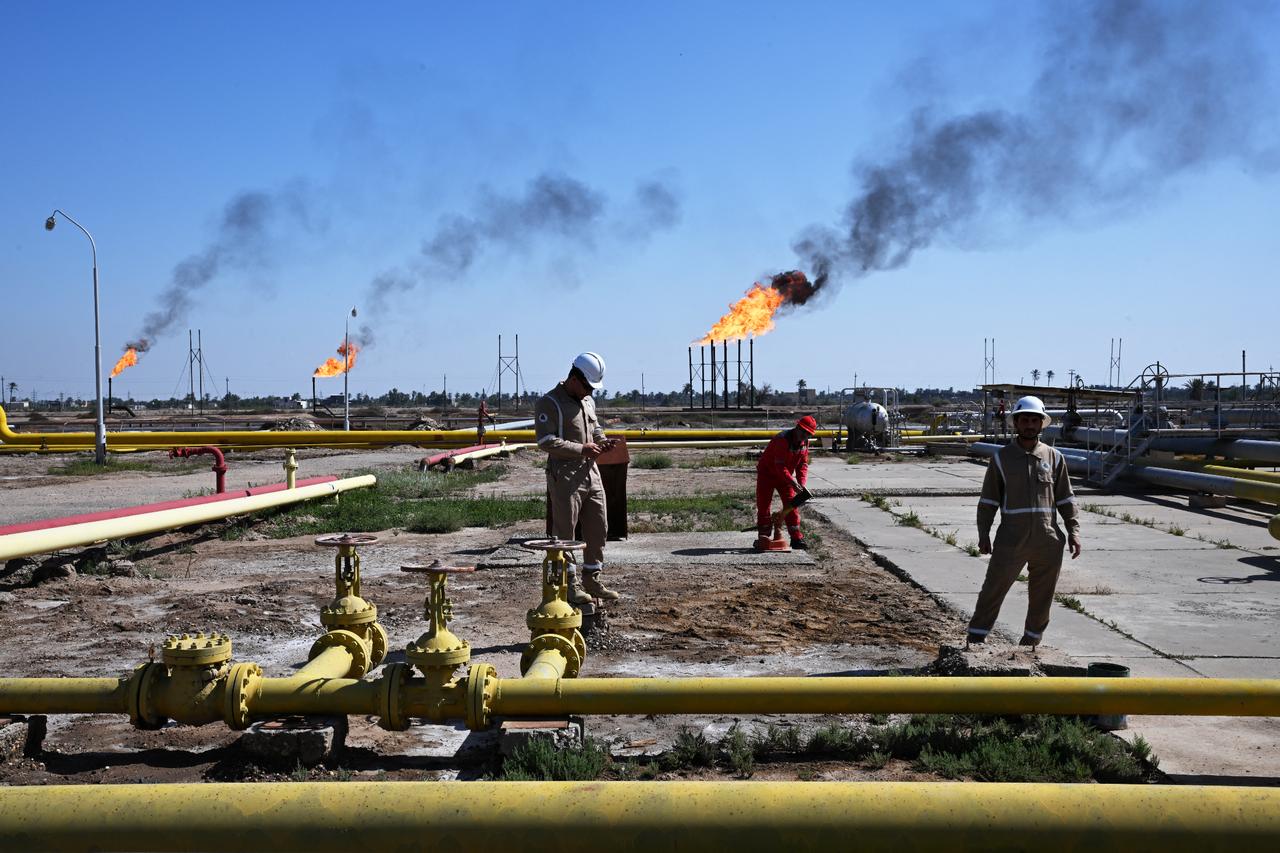
According to official figures, Iraq produced 834,700,000 barrels of crude oil from its oil fields over the first nine months of this year.
A portion of this total was exported, while the remainder was utilized to meet domestic petroleum product needs.
Average Daily Production
- January: 4,097,000 barrels per day.
- February: 4,140,000 barrels per day.
- March: 1,906,000 barrels per day.
- April: 1,633,000 barrels per day.
- May: Recorded the lowest drop, falling to 1,406,000 barrels per day.
- June: 1,525,000 barrels per day.
FYI
The dramatic drop in Iraq’s mid-2026 oil production was caused by the sudden closure of the strategic Strait of Hormuz amid severe regional conflict.
Because Iraq relies on the Persian Gulf for over 95% of its seaborne oil exports, the maritime blockade immediately choked off its primary shipping route out of the southern Basra terminals.
Lacking the domestic storage infrastructure to hold millions of unexported barrels, the country had no choice but to temporarily shut down operations at its largest oil fields. This sudden halt in exports triggered a massive financial crisis, heavily straining a state national budget that depends on oil for roughly 90% of its total revenue.
To bypass the blocked Gulf, Baghdad aggressively maximized alternative land routes, rushing crude pipeline exports northward through Turkey’s Ceyhan port.
As regional geopolitical tensions stabilized and naval restrictions in the Gulf began to ease toward late summer, operations at the southern wells swiftly went back online. This rapid de-escalation allowed Iraq to quickly ramp up extraction and successfully rescue its economy with a massive third-quarter production surge.
Ultimately, this entire volatile cycle was closely coordinated with OPEC to ensure Iraq's recovery remained compliant with international production quotas.
Dive Deeper: Handpicked Stories for You
Follow Channel8 for continuous updates:
Iraqi Deficit Hits 33.5 Trillion Dinars as Operational Costs Consume 96%
Iraqi Oil Minister Speeds Up Implementation of Strategic Sector Projects
Iraq PM Meets TotalEnergies and ConocoPhillips Chiefs on Oil, Gas Expansion
2 hours ago