Shanidar Cave Research Examines Neanderthal Violence and Social Bonds
At a Glance
- Researchers are examining evidence of prehistoric violence at Shanidar Cave in the Kurdistan Region.
- A 75,000-year-old Neanderthal skeleton contains a distinctive puncture in the shoulder blade.
- The findings raise questions about violence among early human communities.
- The research highlights ongoing scientific cooperation between Kurdistan Region authorities and the University of Cambridge.
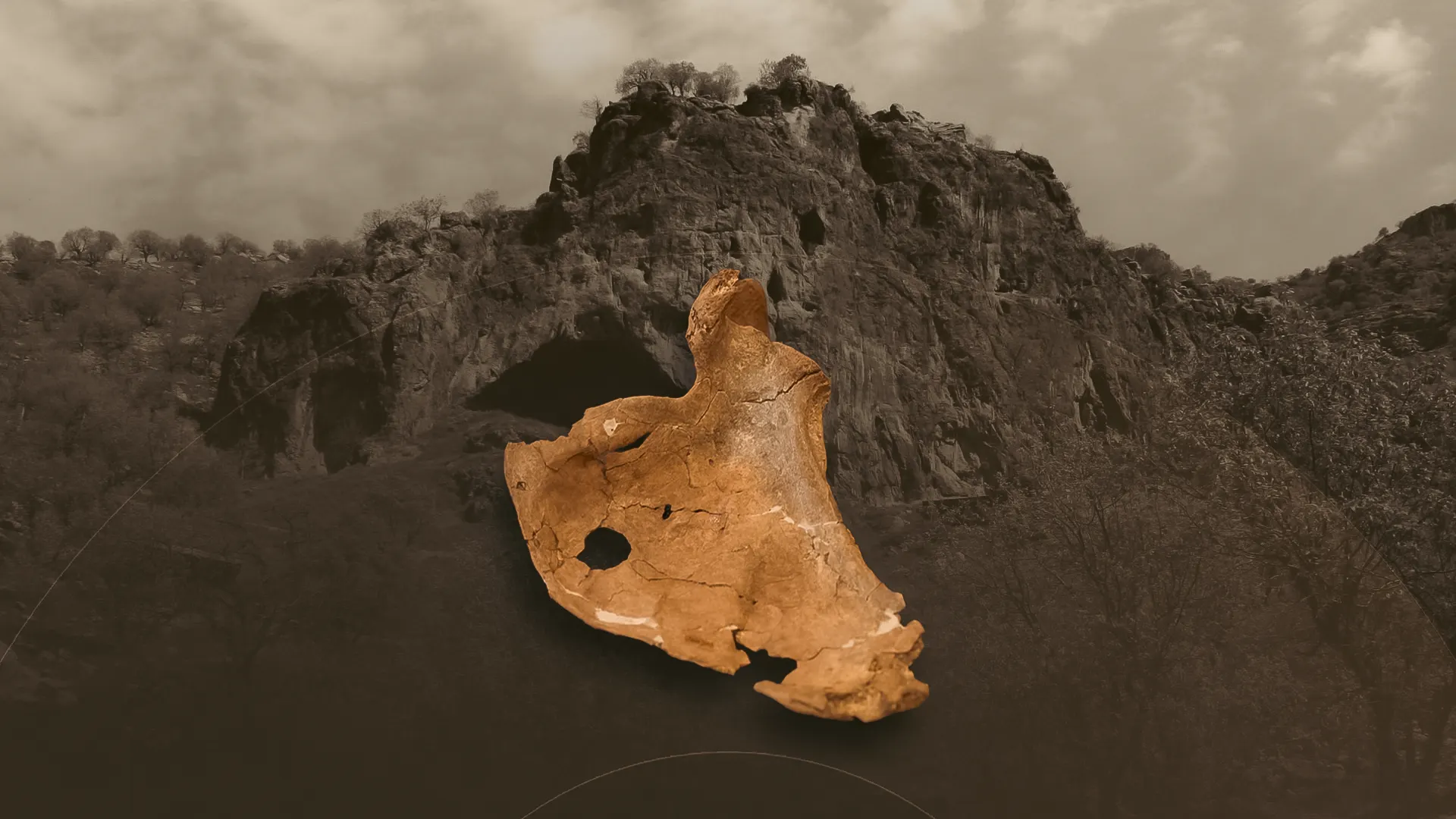
A scientific study involving researchers from the University of Cambridge and antiquities authorities in the Kurdistan Region is examining evidence of possible lethal violence among Neanderthals at Shanidar Cave, where a 75,000-year-old skeleton bears a circular puncture in its shoulder blade.
Key Statements and Focus Area
- Research finding: “The remains of Shanidar A shed new light on the complex nature of Neanderthal relationships, where violence and compassion were intertwined. A hole in the shoulder blade may be the earliest evidence of ‘lethal interpersonal violence’ from a wooden spear.” — Dr. Emma Pomeroy, University of Cambridge
- Scientific debate: “The researchers leave it open whether this resulted from a hunting accident or interpersonal violence, but in my view the latter seems more likely, given the positioning and extent of the wound.” — Professor Chris Stringer, Natural History Museum, London
- Regional cooperation: “Shanidar Cave is not merely an archaeological site; it is a global gateway to understanding human social roots, behavior, and shared history. We take immense pride in this scientific partnership and welcome every initiative that introduces our region’s rich archaeological heritage to the world.” — Mohammed Lashkri, Kurdistan Region General Directorate of Antiquities and Heritage
Evidence of a Possible Wooden Spear Injury
The study examines remains known as Shanidar A, including a left shoulder blade with a circular hole measuring approximately 15 millimeters across. Researchers suggest the puncture may have been caused by a sharpened wooden spear, based on its shape and comparisons with experimental spear injuries.
The team proposes that the weapon may have entered the chest and damaged vital organs or blood vessels before exiting through the shoulder blade. However, researchers have not established whether the injury resulted from a deliberate attack or an accident during hunting.
Earlier Injuries Offer Clues to Neanderthal Social Life
The Shanidar A remains also show evidence of an earlier facial injury, including damage to a tooth. Researchers say the individual survived this trauma for at least a year, suggesting the injury did not immediately prove fatal.
The finding adds to evidence that Neanderthals could survive serious injuries, potentially with support from others in their communities. Researchers have used other Neanderthal remains from Shanidar Cave to investigate social care, group relationships, and behavior.
International Research Partnership Continues
The study forms part of a long-running archaeological collaboration between the Kurdistan Region’s General Directorate of Antiquities and Heritage, the Soran Directorate of Antiquities and Heritage, the Mergasor Antiquities Office, and the University of Cambridge.
The partnership supports archaeological excavation and survey work at Shanidar Cave, with researchers documenting remains and investigating what they reveal about ancient human life. The participating institutions say the work will continue under their scientific agreement.
FYI
Shanidar Cave lies in the Kurdistan Region and is internationally known for discoveries of Neanderthal remains. Excavations in the 1950s uncovered remains of at least 10 Neanderthals, making the site central to research into the lives, behavior, and social relationships of these ancient human relatives.
Neanderthals lived across parts of Europe and western and central Asia before disappearing around 40,000 years ago. Research into their injuries, burial practices, and daily lives continues to shape scientific understanding of how early human populations lived and interacted.
Dive Deeper: Handpicked Stories for You
Follow Channel8 for continuous updates:
2 hours ago