Pakistan Army Chief Heads to Iran as Tehran Threatens Undersea Cables
At a Glance
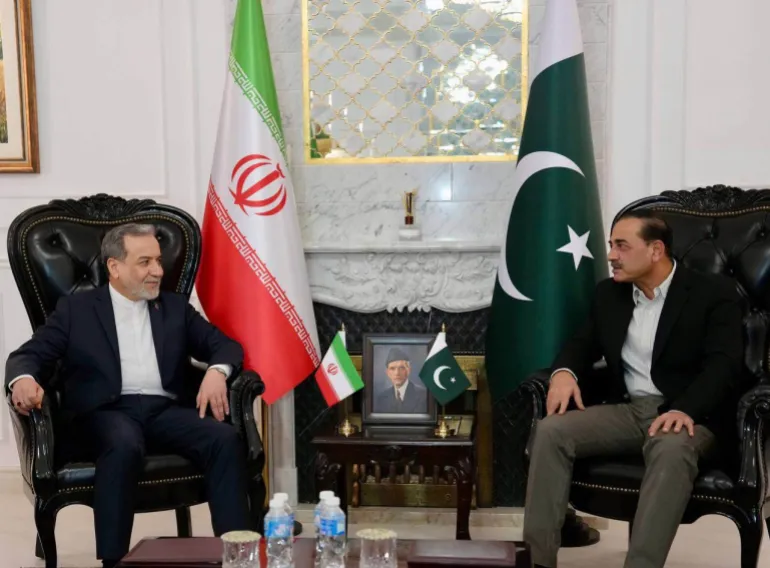
- Pakistan’s army chief Asim Munir is expected to visit Tehran for talks with Iranian officials on mediation between Iran and the United States.
- The planned visit follows earlier discussions focused on preventing further escalation, reopening the Strait of Hormuz and ending the conflict.
- US President Donald Trump claims Iran’s military capabilities and senior leadership have been severely damaged.
- Iran’s Revolutionary Guard has warned of new targets, raising concerns about possible threats to undersea internet cables and other technology infrastructure.
Pakistan’s army chief Asim Munir is expected to visit Iran for talks on Islamabad’s mediation efforts between Tehran and Washington, as renewed Iranian warnings over regional technology infrastructure add to tensions surrounding the Strait of Hormuz.
Key Statements and Focus Areas
Pakistan’s Mediation Efforts
According to a Pakistani official and Iranian media reports, Field Marshal Asim Munir is scheduled to meet Iranian officials on Tuesday.
Iran’s semi-official Tasnim news agency said discussions would cover regional developments and Pakistan’s role in mediating between Iran and the United States. Earlier talks between Munir and Iranian leaders reportedly focused on preventing further escalation, reopening the Strait of Hormuz and seeking an end to the conflict.
Pakistan has maintained contacts with both Washington and Tehran. However, the planned visit does not by itself indicate that a new agreement has been reached or that stalled negotiations will resume.
Trump’s Claims About Iran’s Military
Speaking at a campaign rally in Kansas, US President Donald Trump claimed that Iran’s navy, air force, radar systems and anti-aircraft capabilities had been destroyed.
Trump also said senior Iranian leaders had been killed and claimed that remaining leaders wanted assurances that the United States would not target them. These were assertions made by the US president; the speech alone does not independently establish the full extent of Iran’s remaining military capabilities or the position of its leadership. <Cite refs={["turn790844search2"]} />
Iran’s Warning Over Technology Infrastructure
Iran’s Revolutionary Guard has issued a warning about undersea internet cables running through the Strait of Hormuz, saying new targets and weapons could be revealed amid the confrontation with the United States.
IRGC spokesman Hossein Mohebbi cited seven major cables crossing beneath the strait and warned that the infrastructure could become strategically significant in a renewed conflict. Earlier, Iranian security official Mohsen Rezaei had also warned that undersea cables, data centres and artificial intelligence facilities linked to the United States could be targeted if hostilities resumed.
An attack on submarine cables could disrupt communications and data services, although the extent of any interruption would depend on the cables damaged, network redundancy and the availability of alternative routes.
Pakistan’s army chief, Field Marshal Asim Munir, is expected to arrive in Tehran on Tuesday for talks with Iranian officials, according to a Pakistani official and Iranian media reports, as Islamabad continues its efforts to mediate between Iran and the United States.
Iran’s semi-official Tasnim news agency reported that Munir would meet Iranian officials to discuss regional developments and Pakistan’s role in mediation. The planned visit follows earlier discussions between Munir and Iranian leaders that focused on preventing further escalation, reopening the Strait of Hormuz and ending the conflict as quickly as possible.
Pakistan has emerged as an intermediary in contacts between Washington and Tehran. However, negotiations have faced disagreements over security guarantees, maritime access and the conditions needed to restore normal passage through the strategic waterway. Munir’s planned visit signals continued diplomatic engagement, but no new agreement has been announced in the reports reviewed.
Meanwhile, Trump used a campaign speech in Kansas to claim that US military action had destroyed Iran’s naval and air capabilities, radar systems and anti-aircraft weapons. He also said Iran’s first- and second-level leadership had been killed and claimed that remaining leaders were seeking guarantees against further US attacks.
Those remarks reflect Trump’s account of the conflict and should be distinguished from independently verified assessments of Iran’s military capacity and leadership.
Iran, meanwhile, has broadened its warnings about potential targets in the event of renewed hostilities. On Monday, IRGC spokesman Hossein Mohebbi highlighted seven major undersea internet cables crossing the Strait of Hormuz and said Iran had new targets and weapons to reveal. Earlier statements by Mohsen Rezaei also identified data centres and artificial intelligence facilities linked to the United States as possible targets if war resumed.
The cables carry telecommunications and data traffic between parts of the Middle East and other regions. Damage to several routes could affect internet connectivity, business communications and digital services, depending on the extent of disruption and the availability of alternative connections. The claim that all global internet traffic depends on these seven cables would be an overstatement: international data moves through many submarine and terrestrial networks.
The developments place diplomacy and infrastructure security at the centre of the latest phase of the confrontation. Munir’s meetings could provide an opportunity to discuss de-escalation, while Iran’s warnings underline the risk that any renewed fighting could extend beyond military and energy targets to critical digital infrastructure.
FYI
Pakistan’s planned diplomatic engagement comes as the United States and Iran remain at odds over security arrangements and maritime access through the Strait of Hormuz. Islamabad’s ability to facilitate further talks will depend on whether both sides are prepared to narrow those differences; the visit itself does not confirm that negotiations have advanced.
Iran’s warnings about undersea cables and technology facilities also point to the wider economic consequences of renewed conflict. While the seven cables cited by the IRGC are important regional infrastructure, any disruption would depend on the location and scale of damage and the resilience of interconnected networks. The combination of diplomatic uncertainty and threats to critical infrastructure keeps regional security and international communications at risk.
Dive Deeper: Handpicked Stories for You
Follow Channel8 for continuous updates:
Iran Reports Another Tanker Fire in Strait of Hormuz
Iran Calls US Response Insufficient, Keeps Hormuz Reopening Conditional
U.S. Forces Disable Commercial Ship Violating Iran Naval Blockade
2 hours ago