Iraq Accelerates System Digitalization to Shield State Funds
At a Glance
- Iraq accelerates transition to automated financial systems to secure public revenues.
- Focus centers on modernizing customs networks and automating trade procedures.
- Talks held with IT specialist Strategy object to adopt global digital solutions.
- Implementation tied to firm timelines and performance benchmarks for maximum transparency.
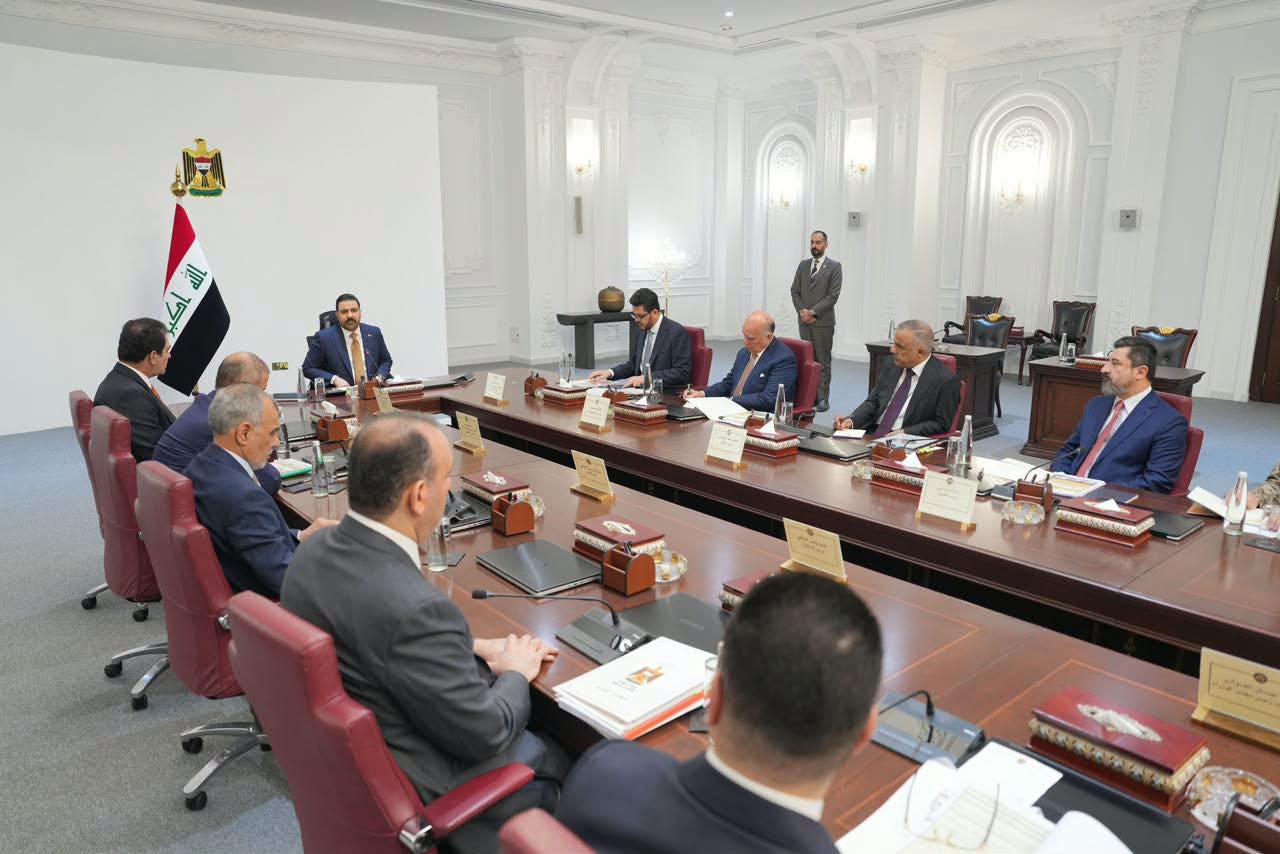
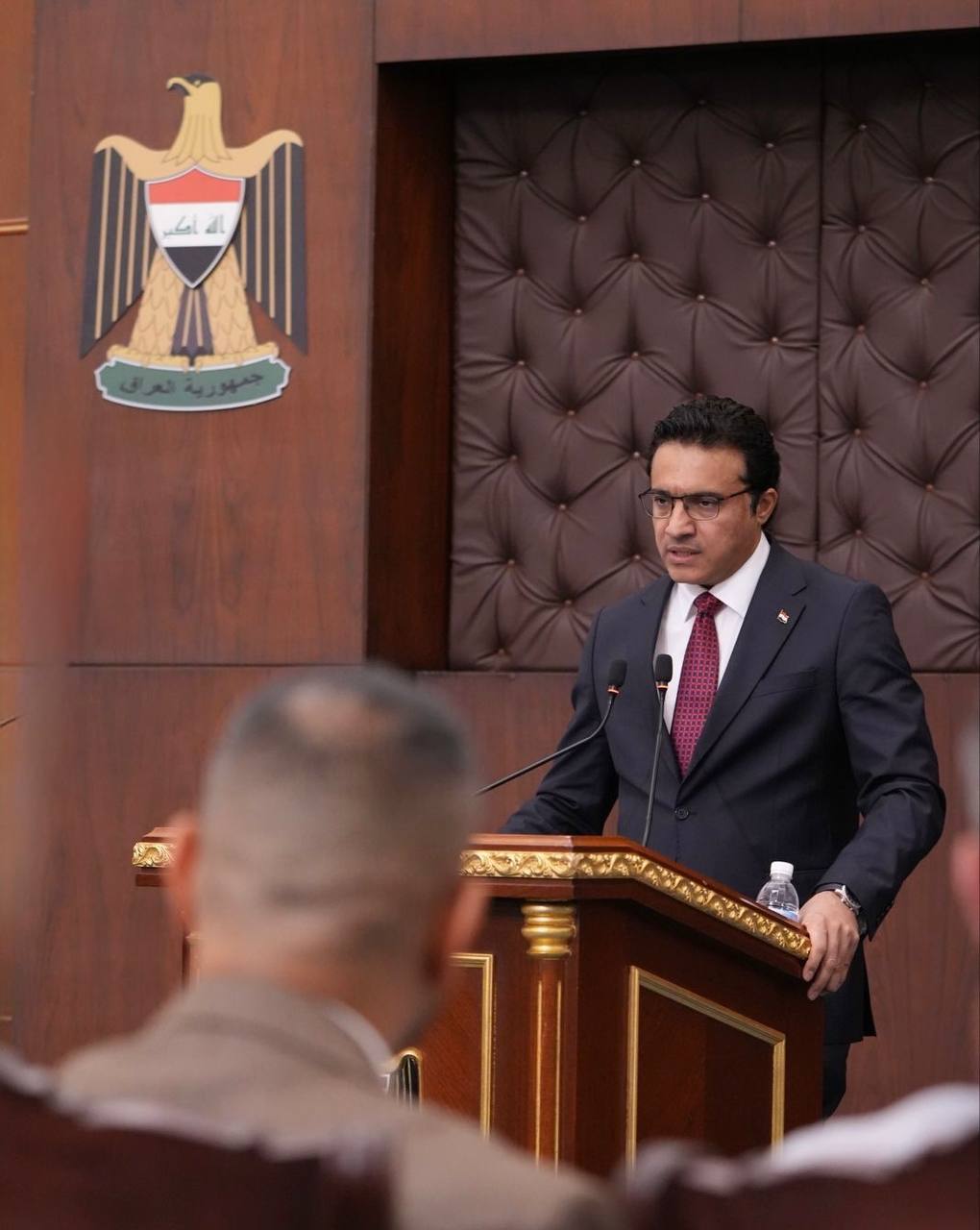
Iraqi Minister of Finance, Faleh Sari, confirmed that the complete digitalization and procedural automation of the nation’s financial systems serves as a core strategy to increase public revenue streams, curb official corruption, and elevate operational efficiency across state institutions.
Key Statements and Focus Area
- Eradicating Financial Waste:"Completing the digitalization of financial systems and the automation of procedures represents a fundamental pathway to boosting public revenues, limiting opportunities for corruption and waste, and raising the efficiency of financial performance." —Faleh Sari, Minister of Finance
- Ensuring Accountable Execution:"Completing digitalization projects according to clear timelines and adopting performance indicators for each phase ensure a seamless transition from traditional procedures to a digital system that is more accurate, efficient, and transparent." — Faleh Sari, Minister of Finance
- Core Focus Areas:
- Modernizing border and customs procedures through digital integration.
- Replacing manual, error-prone workflows with real-time digital oversight.
- Establishing clear, KPI-backed milestones across every phase of system implementation.
High-Level Talks Focus on Customs Automation
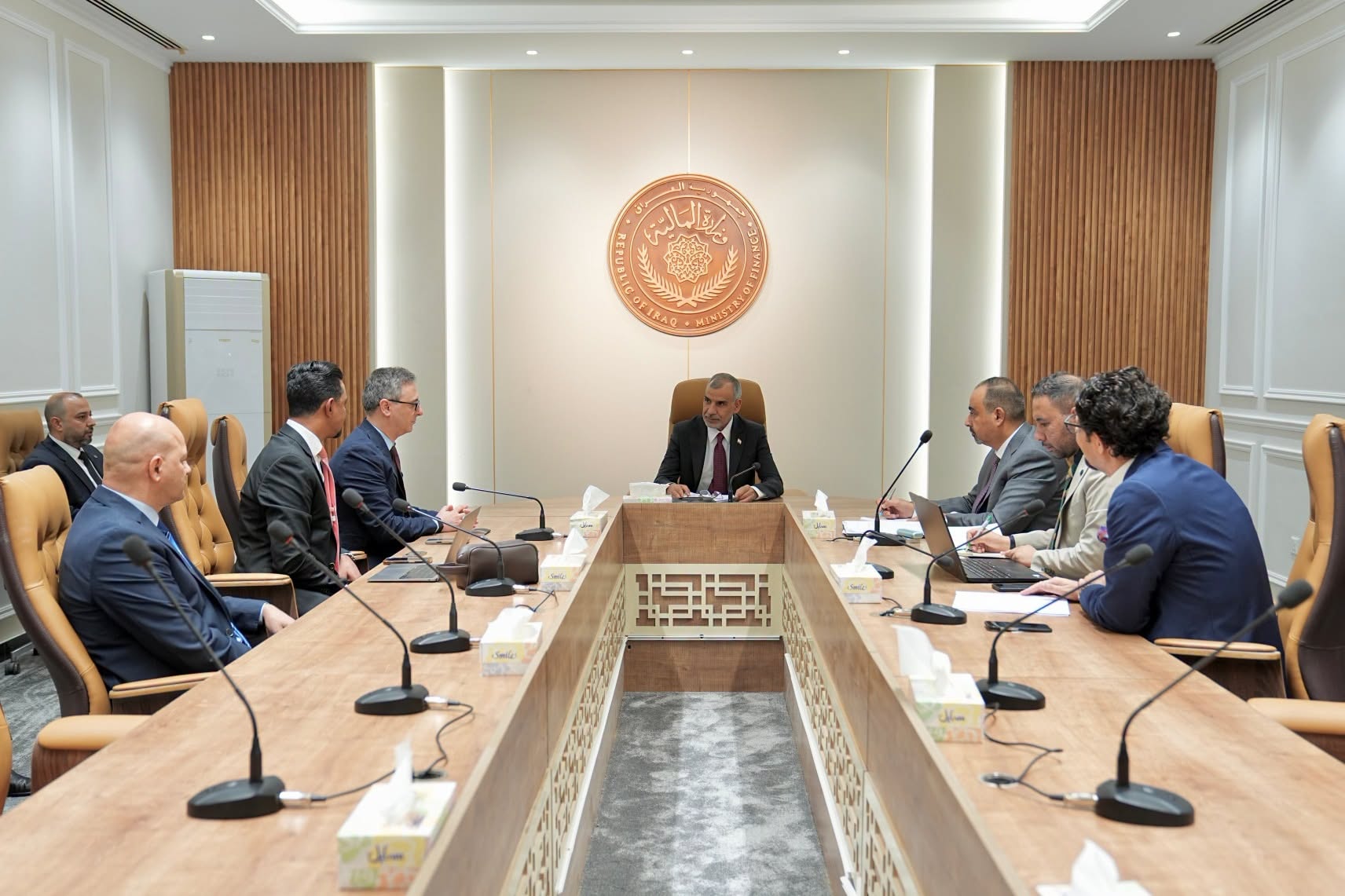
The declaration followed a high-level briefing at the Ministry headquarters between Minister Sari, senior officials, including the Ministry’s Undersecretary and the Director General of Information Technology, and a delegation from Strategy object, an international firm specializing in automated governance and IT solutions.
The primary discussions centered on overarching digital transformation projects, with a strong focus on automating Iraq's customs sector. During the session, Strategyobject’s CEO presented a portfolio of successful systems deployment across various international jurisdictions, outlining specialized technical frameworks designed to streamline customs operations and dynamically interface with government financial infrastructure.
Establishing Trackable Milestones for Systemic Transition
Addressing the project trajectory, Minister Sari stressed that the transition away from legacy paper systems depends on adherence to structured deployment timelines. By establishing performance metrics for each phase, the Ministry aims to systematically eliminate loopholes historically exploited for illegal financial gain, ensuring a secure and transparent fiscal system.
FYI
This initiative aligns with Iraq's ongoing push to modernize its fiscal operations and reduce its structural vulnerability to corruption, administrative delays, and lost tax and tariff collection. Iraq has been actively advancing a multi-year digitalization roadmap across its ports and land borders. Central to this overall push is the nation's deployment of modern computerized customs platforms (including UNCTAD's ASYCUDA program), aimed at connecting border cross-points directly to the Central Bank of Iraq, the Ministry of Planning, and tax authorities. Integrating specialized third-party technologies reinforces Iraq’s strategic focus on establishing paperless, transparent, and international-standard commercial operations to stabilize non-oil state revenue.
Dive Deeper: Handpicked Stories for You
Follow Channel8 for continuous updates:
Iraqi Finance Minister Requests Urgent Parliamentary Hearing on Financial Crisis
Iraqi Finance Ministry Faces 3.3 Trillion Dinar Salary Deficit
Iraq's Budget Deficit Reaches 80 Trillion Dinars, Says PM Economic Advisor