Iraq Dismisses Salary Rumors, Assures Timely Public Payouts
At a Glance
- The Iraqi Minister rejected any plans for a 45-day salary distribution cycle.
- The ministry will target 3,800 major taxpayers to curb cost inflation and boost domestic non-oil revenues.
- Iraq is evaluating a joint Saudi-Kuwaiti pipeline project via the Red Sea to expand export routes.
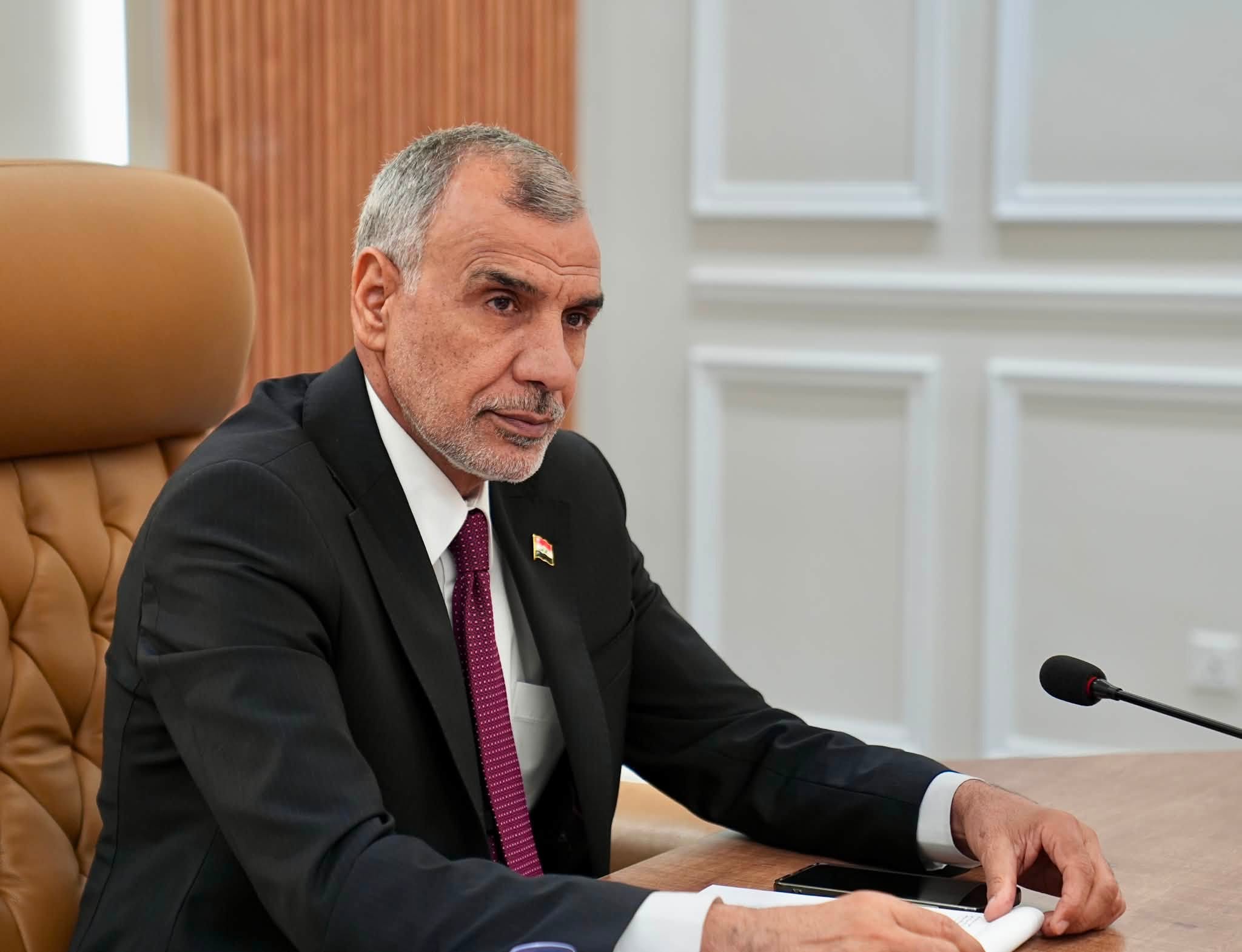
The Iraqi Finance Minister reassured public employees that their financial entitlements are fully secure, announcing that the monthly cost of state salaries has reached 7.7 trillion dinars.
Key Statement and Focus Area
- Minister Faleh al-Sari emphasized that the government has no plan to distribute salaries once every 45 days,
- Al-Sari added that the Ministry of Finance is actively working to address cost inflation and regulate public spending.
During a meeting with a group of experts and specialists on Tuesday night, the minister dismissed payroll rumors and reiterated that the government will distribute salaries on time.
Al-Sari stated that the government is working to increase the salaries of retirees and low-income employees.
Furthermore, he mentioned that the ministry plans to target 3,800 major taxpayers to boost domestic non-oil revenues.
According to the minister, currently only 1,300 taxpayers comply with tax payments, which creates cost inflation.
The Finance Minister also indicated that Iraq is evaluating potential participation in a joint oil pipeline project between Saudi Arabia and Kuwait.
The proposed pipeline would transit through the Red Sea and possess a transport capacity of up to 2 million barrels of oil per day.
This initiative is part of Iraq's strategic plan to expand and diversify its oil export routes.
FYI
A severe liquidity crisis has gripped Baghdad following maritime trade disruptions that heavily restricted crude oil exports through critical regional waterways.
This unexpected collapse in state income has severely undermined the federal treasury's capacity to keep up with routine financial commitments.
The fiscal strain has recently forced widespread delays in public-sector wage disbursements, leaving families and regional markets in a state of financial uncertainty.
Prior to recent announcements, senior government representatives explicitly stoked public concern by confirming an active cash crunch and warning that future payouts would be delayed until internal funding loops could be finalized.
In response to mounting public anxiety, Prime Minister Ali al-Zaidi previously intervened with strict counter-reassurances, affirming that civil servant wages remain legally guaranteed.
Dive Deeper: Handpicked Stories for You
Follow Channel8 for continuous updates:
Iraq Finance Committee Recommends Postponing Dinar Redenomination Vote
Iraq Finance Committee and CBI Discuss Crisis Resolution Strategies
Iraq Vows Legal Monopoly on Weapons, Reassures Employee Salary
Iraq Accelerates System Digitalization to Shield State Funds
Iraqi Finance Minister Requests Urgent Parliamentary Hearing on Financial Crisis
30 minutes ago