Amanj Raheem: KRG Ready to Launch ASYCUDA Customs System
At a Glance
- KRG Secretary Amanj Raheem announced official readiness to launch ASYCUDA.
- Erbil submitted a formal legal memorandum to Baghdad.
- The border revenue distribution mechanism remains the final dispute.
- Delays caused a 78% drop in regional border revenues.
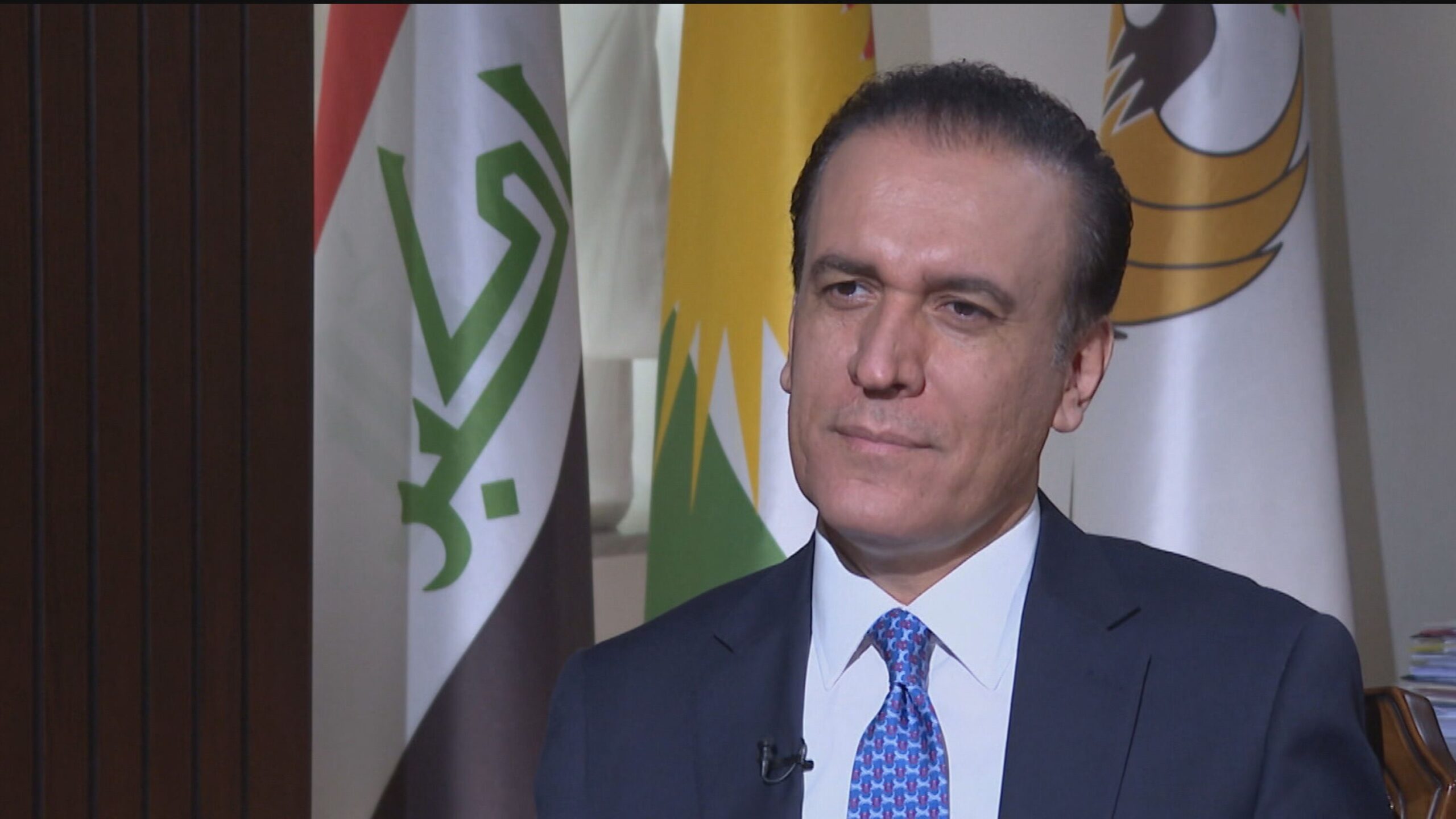
Amanj Raheem, the Secretary of the KRG Council of Ministers, announced that a constitutional and legal memorandum has been submitted to Baghdad detailing the Kurdistan Region's readiness to launch the ASYCUDA digital trade network, leaving only the mechanism for border revenue distribution to be resolved between the regional and federal finance ministries.
Key Statement and Focus Area
- The KRG Council of Ministers Secretary said, "We clarified that the KRG has officially decided to implement ASYCUDA."
- "We emphasized that ASYCUDA is not merely the automation of customs procedures; rather, it is a strategic project aimed at establishing a unified national digital system and strengthening legal and economic integration between the KRG and the Federal Government," he noted.
- Raheem confirmed that, "The primary remaining issue to be resolved is the mechanism for distributing revenues from the Kurdistan Region's border crossings."
Secretary Raheem stated on Friday that he and a Kurdistan Region delegation attended a Federal Council of Ministers session in Baghdad earlier this week to present the KRG's stance on implementing the ASYCUDA customs system at regional border crossings.
Raheem stated that the KRG submitted a constitutional, legal, and financial memorandum during the meeting, confirming their official decision to implement the system and stating that “significant progress was achieved during the latest meeting of the Ministerial Council for Economy, where most technical and legal matters were resolved.”
He highlighted that the framework will unify differing regional and federal customs tariffs and procedures, harmonizing trade regulations to enable comprehensive data sharing between both sides.
The framework specifically covers areas including company registration, import and export licensing, investment licensing, tax clearance, industrial projects, quality control, and the protection of local products.
“The ultimate goal of ASYCUDA is to create a unified national digital trade data center for all of Iraq, including the Kurdistan Region,” he affirmed, adding that this will ensure mutual data sharing and document recognition—currently absent—while preserving the Region's constitutional and administrative jurisdictions.
The secretary stressed that the primary remaining issue is the border revenue distribution mechanism, noting that the KRG’s proposal is strictly grounded in the Constitution, the Financial Management Law, and the Budget Law.
Raheem emphasized that ASYCUDA is a crucial step for transparency and non-oil revenues, adding that it will grant regional merchants access to official-rate US dollars, "a benefit they are currently deprived of."
He noted that delays in implementing the system have severely impacted regional finances, highlighting that since March 2026, the Kurdistan Region's border revenues plummeted by 78%, while federal customs revenues surged by 114% following ASYCUDA's deployment.
According to the secretary, the decline in border revenues has restricted the Kurdistan Region's ability to meet its federal obligations, despite consistently transferring its mandated 120 billion IQD monthly share to the federal treasury throughout 2025.
He further remarked that accelerating the deployment of ASYCUDA is vital to restoring non-oil revenues, securing public sector salaries, and integrating the Kurdistan Region into the wider Iraqi market to stimulate trade and lower consumer costs.
Furthermore, he stated that federal officials warmly welcomed the initiative, prompting both ministries of finance to draft a border revenue distribution mechanism for final approval at an upcoming cabinet meeting to fully implement the ASYCUDA system.
“We firmly believe that the fundamental resolution to these issues lies in dialogue, cooperation, and a shared commitment to the Constitution and the law. This approach ensures that the rights and interests of the Kurdistan Region are fully protected while simultaneously serving the general interest of Iraq,” he added.
FYI
The Automated System for Customs Data (ASYCUDA) is a global, computerized customs management system developed by the United Nations Conference on Trade and Development (UNCTAD) to automate trade declarations, minimize human intervention, and maximize fiscal transparency.
The Iraqi federal government began operating ASYCUDA at its federal border crossings in January 2026.
Conversely, delays in implementing the digital framework at the Kurdistan Region’s borders resulted in a plunge in regional border revenues, alongside trade disruptions caused by double-taxation at internal federal checkpoints.
Following months of intensive bilateral technical negotiations, Erbil and Baghdad successfully achieved a draft breakthrough protocol to restructure the Kurdistan Region’s localized customs tariff classifications to fully align with the unified national network.
Iraqi Finance Minister Faleh al-Sari has issued a directive enforcing advance tax and customs collection via the ASYCUDA system on all foreign monetary wire transfers starting October 1.
Concurrently, Baghdad has intensified pressure on the Kurdistan Regional Government to immediately deploy the automated customs network across all regional border crossings.
Dive Deeper: Handpicked Stories for You
Follow Channel8 for continuous updates:
Baghdad Demands Rapid ASYCUDA Customs Rollout In Kurdistan
Iraq Approves ASYCUDA-Based Advance Customs Tax Collection From October
Kurdistan Overhauls Trade Finance System Amid ASYCUDA Rollout
04/09/2026