Refining Capacity Rises But Iraq Faces Daily Fuel Deficit
At a Glance:
- Iraq continues importing six million liters of high-octane petrol daily to bridge domestic supply gaps despite national refining capacity surging to 1.12 million barrels per day (bpd).
- Federal expenditure on petroleum product imports stands at approximately $5 billion annually, with $3 billion directly allocated toward gasoline and diesel purchases.
- Operationalization of the Karbala Refinery added 140,000 bpd in capacity, pushing combined output across 14 national refineries to 25 million liters of petrol daily.
- Heightened military tensions across the Middle East and reduced export volumes from neighboring Gulf refineries pose immediate disruption risks to Iraq’s fuel security.
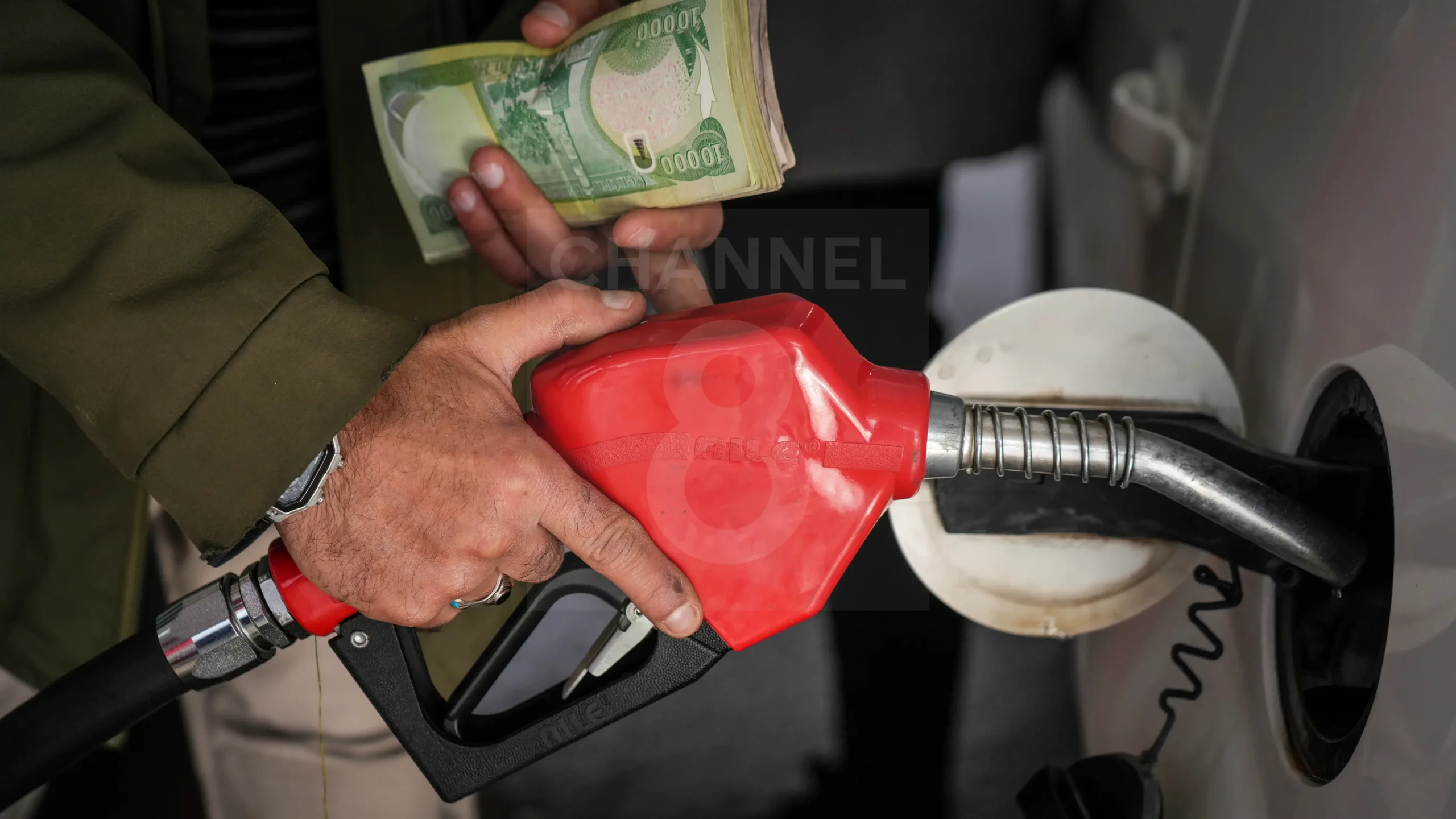
Despite expanding domestic refining capacity to 1.12 million barrels per day across 14 operational refineries, Iraq remains constrained by a structural fuel deficit, relying on six million liters of imported high-octane petrol daily to satisfy domestic demand. According to details obtained by Channel 8, spending $5 billion annually on imported refined products, including $3 billion explicitly for gasoline and diesel, leaves OPEC’s second-largest crude producer vulnerable to regional military escalations and foreign export slowdowns.
Key Statements and Focus Area:
- Ministry of Oil Operational Briefing:
"Total domestic processing capacity has risen significantly from under one million barrels to 1.12 million barrels per day, bolstered by the 140,000 bpd Karbala Refinery project. However, meeting national demand for high-octane fuel requires continuous foreign imports while domestic upgrading units scale up to match consumption growth."
National Refining Infrastructure & Fuel Supply Deficit
| Refinery / Facility Indicator | Daily Processing / Production Volume | Operational & Strategic Role |
| Total Domestic Processing | 1,120,000 barrels per day (bpd) | Combined capacity across 14 active national refineries |
| Basra Refinery | 210,000 bpd | Primary Southern refining hub |
| Karbala Refinery | 140,000 bpd | Advanced high-octane production addition |
| Smood (Baiji) Refinery | 140,000 bpd | Rebuilt Northern supply center |
| Dora (Baghdad) Refinery | 140,000 bpd | Central regional supply facility |
| Kirkuk Refinery | 90,000 bpd | Northern regional refining station |
| National Petrol Production | 25 Million Liters / Day | Aggregate domestic output across all 14 refineries |
| Daily Foreign Import Deficit | 6 Million Liters / Day | Premium and super-grade petrol imported daily |
| Annual Fuel Import Budget | ~$5 Billion USD Total | Includes $3 billion explicitly for gasoline and diesel |
Capacity Growth Versus High-Octane Deficits
While raw processing volumes have surged past 1.12 million bpd, domestic refining configurations remain heavily weighted toward lower-octane fuel and heavy fuel oil. Production across key refining complexes—including Basra (210,000 bpd), Baiji (140,000 bpd), Dora (140,000 bpd), and Kirkuk (90,000 bpd)—yields 25 million liters of standard petrol daily. However, the rapidly expanding domestic vehicle fleet relies heavily on imported 95+ octane gasoline, which domestic cracking units cannot yet produce in sufficient quantities.
Regional Vulnerabilities and Energy Security Risks
Iraq's $3 billion annual outlay for imported gasoline and diesel exposes national energy security to external supply shocks. With regional military tensions escalating around maritime trade bottlenecks and Gulf refineries curbing export allocations to prioritize domestic reserves, any physical or logistical blockade threatens immediate petrol shortages at local fuel stations.
FYI
Iraq’s fuel dilemma highlights a structural mismatch between crude processing volume and advanced refining capability. While adding capacity at Karbala and Baiji has improved baseline fuel availability, eliminating the 6-million-liter daily import dependency requires swift completion of secondary isomerization and Fluid Catalytic Cracking (FCC) units to produce high-octane fuel locally.
Dive Deeper: Handpicked Stories for You
Follow Channel8 for continuous updates:
Iraq Oil Exports Reach Two Million Barrels Daily, Says Oil Minister
Strait of Hormuz Closure Caused Severe Collapse in Iraq Oil Output and Regional Exports
Federal Integrity Commission Investigates Subsidized Fuel Smuggling From Kirkuk