Iraq Water Reserves Surge as Tigris and Euphrates Inflows Triple
At a Glance:
- Water inflows into Iraq's Tigris and Euphrates rivers have tripled compared to 2025 levels following heavy rainfall and coordinated releases from Turkey, Syria, and Iran.
- Inflows to Mosul Dam reached 641 m³/s, boosting stored water volume to 7.25 billion cubic meters.
- Haditha Dam’s retained storage surged sixfold to 5.1 billion cubic meters, with an additional 3 billion cubic meters of remaining capacity.
- The Ministry of Water Resources has placed national dam networks on high alert to process incoming flood surges and maximize winter storage.
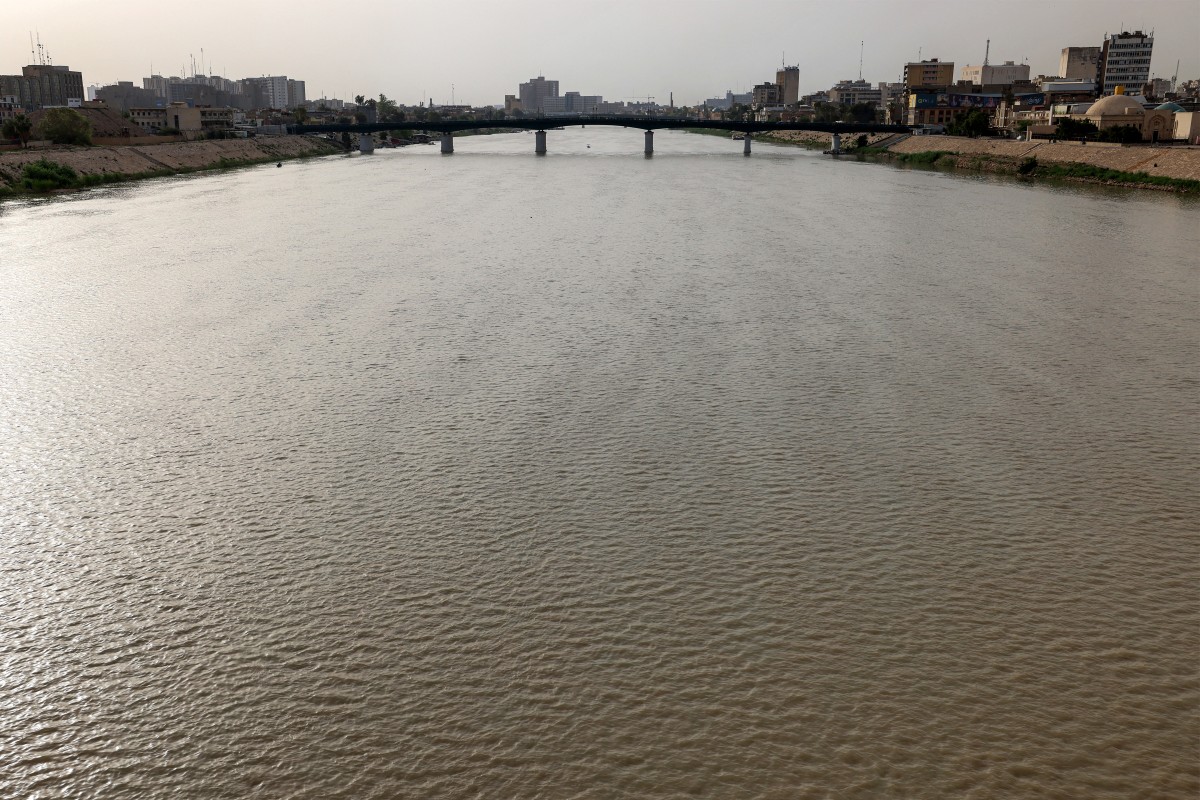
Strategic water reserves across Iraq have reached multi-year highs as combined inflows along the Tigris and Euphrates river basins tripled compared to the same period in 2025. Driven by heavy seasonal rain and snowpack melt across Turkey, Syria, and Iran, neighboring states initiated substantial upstream reservoir releases. In response, the Iraqi Ministry of Water Resources has placed national hydraulic infrastructure on high alert to safely capture floodwaters and expand national storage ahead of winter.
Key Statements and Focus Area:
- Khalid Shamal, Spokesperson for the Ministry of Water Resources:
"State hydraulic infrastructure and operational engineering teams are on high alert to process incoming seasonal flood surges. Increased discharges from neighboring upstream countries, combined with strong domestic rainfall, have allowed us to rebuild vital strategic reserves at Mosul and Haditha dams while maintaining downstream flood security."
National Dam Capacity & Strategic Inflow Data
| Reservoir / Indicator | 2025 Volume / Baseline | Current Volume / Flow Rate | Storage Capacity Status |
| Mosul Dam Inflow (Tigris) | 192 m³/sec | 641 m³/sec | Increased upstream river discharge |
| Mosul Dam Total Storage | 1.6 Billion m³ | 7.25 Billion m³ | Reaching near-optimal operational levels |
| Haditha Dam Inflow (Euphrates) | Baseline Deficit | 896 m³/sec | Surging inflow from upstream releases |
| Haditha Dam Retained Storage | ~0.85 Billion m³ | 5.1 Billion m³ | Sixfold increase in retained water |
| Haditha Buffer Capacity | N/A | 3.0 Billion m³ | Unused capacity remaining for future surge |
Upstream Releases and Hydrological Recovery
Above-average winter snowpack and intense late-season rainfall across headwater catchments in Turkey, Syria, and Iran forced regional dam operators to clear reservoir capacity. The resulting surge delivered immediate hydrological relief to Iraq’s main river systems. Inflow into Mosul Dam quadrupled its 2025 baseline, while Haditha Dam on the Euphrates experienced its most dramatic single-season recovery in years, providing crucial drinking and agricultural water for central and southern governorates.
Flood Mitigation and Hydraulic Readiness
To manage the influx without endangering riverbank communities, the Ministry of Water Resources is balancing storage accumulation with controlled downstream releases. Surplus flows are being diverted into natural depressions and secondary storage networks, including Lake Tharthar and Lake Habbaniyah to absorb localized flood waves. Ministry teams are conducting continuous structural monitoring at key barrage gates to handle projected wet-weather surges through late 2026.
FYI
While the tripling of river inflows offers short-term relief from multi-year drought conditions, managing the surge requires careful operational balancing. Maximizing reservoir storage at Mosul and Haditha dams builds a crucial buffer against future dry cycles, but long-term water stability remains tied to formal transboundary water-sharing agreements with upstream neighbors.
Dive Deeper: Handpicked Stories for You
Follow Channel8 for continuous updates:
Iraq and Turkey Establish Groundbreaking Flexible Water-Sharing Framework
Iraqi Premier Al-Zaidi To Discuss Water And Energy In Turkey
07/09/2026