EU Considers Methane Rules Delay Amid Energy Concerns
At a Glance
- The European Union is considering postponing methane requirements for imported oil and gas.
- The delay comes as European governments face tighter energy supplies and higher prices.
- The International Energy Agency is closely monitoring diesel and other fuel markets.
- IEA members could discuss releasing strategic oil stocks if market conditions require action.
The European Union is weighing changes to the timing of methane requirements for imported energy, while the International Energy Agency is monitoring fuel markets amid concerns over supplies and prices this winter.
Key Statements and Focus Area
- Import Rule Timing: “I have instructed my services... to look into possibilities of postponing the part that has to do with imports.” — EU Energy Commissioner Dan Jorgensen.
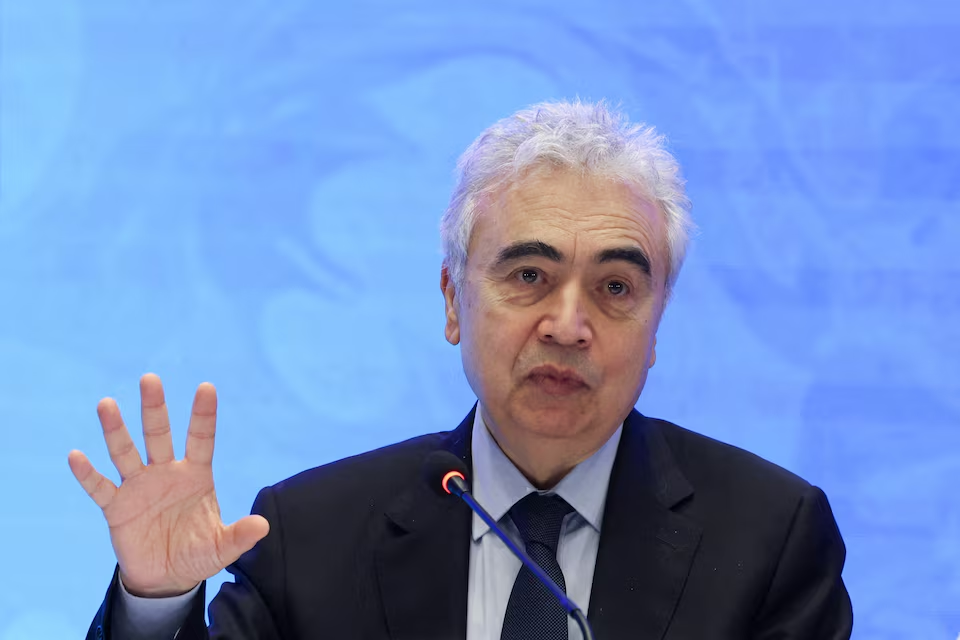
- IEA Market Monitoring: “We are following the markets very closely, especially the product markets, diesel and others.” — IEA Executive Director Fatih Birol.
- Article Focus: The developments center on balancing methane regulation implementation with European energy security and monitoring potential fuel supply pressures.
EU Methane Rules Face Growing Pressure
The European methane regulation is facing increasing pressure as governments assess the potential impact of its implementation on energy imports. The rules are scheduled to apply to foreign suppliers from January 1, 2027.
The legislation requires companies supplying oil and gas to the EU to monitor and report methane emissions. Methane is a potent greenhouse gas and is considered the second-largest contributor to climate change after carbon dioxide.
French President Emmanuel Macron called last week for a one-year postponement, citing potential legal risks for importers as energy supplies become tighter. Around a dozen other EU countries and the United States had also previously called for the rules to be paused or rolled back.
Energy Markets Under Watch
The regulatory debate comes as European governments prepare for potential energy supply pressures during the winter. Disruptions linked to the Iran war have added to concerns over global oil and gas availability and the cost of energy.
The IEA is also in discussions with European countries and major exporters of diesel and other petroleum products as authorities assess developments in refined fuel markets.
Birol was asked about a possible US ban on diesel exports, an idea backed by US President Donald Trump last week. He said the IEA provides advice to its members while considering their interests as well as those of allies and international partners.
FYI
The EU Methane Regulation entered into force in August 2024 and covers methane emissions from the oil, gas, and coal sectors. Its import provisions are designed to extend methane measurement, reporting, and verification requirements into global fossil-fuel supply chains.
The European Commission says methane is the second-largest contributor to climate change after carbon dioxide. The regulation includes domestic requirements on leak detection and repair, as well as restrictions on routine venting and flaring.
Dive Deeper: Handpicked Stories for You
Follow Channel8 for continuous updates:
Climate Action Now Hinges on Speed, Finance, and Cooperation
1 hour ago