Climate Action Now Hinges on Speed, Finance, and Cooperation
At a Glance
- Global warming is expected to temporarily exceed the 1.5°C Paris target despite progress on climate commitments.
- Faster emissions cuts are needed to reduce how high and how long temperatures remain above the threshold.
- Developing countries need greater access to affordable climate finance for clean energy and adaptation.
- International cooperation remains central to accelerating the energy transition and protecting vulnerable communities.
The United Nations is urging governments to focus on faster climate action, stronger financing, and international cooperation as the world approaches a temporary exceedance of the 1.5°C warming threshold.
Key Statements and Focus Area
- Reducing Climate Risks: “Every fraction of a degree will cost lives, destroy livelihoods, deepen inequality, and push ecosystems closer to irreversible damage.” — UN Secretary-General António Guterres.
- Energy Security: “There are no embargoes on sunshine and no price spikes for wind.” — UN Secretary-General António Guterres.
- Focus Area: The UN's current climate agenda centers on accelerating emissions reductions, expanding climate finance, and strengthening adaptation measures as warming continues.
While climate commitments since the Paris Agreement lowered projected global warming from above 4°C to roughly 2.3°C, with potential net-zero pledges capping it near 1.8°C, current plans fall short of the 1.5°C target. Existing Nationally Determined Contributions (NDCs) covering 90% of global emissions set a 10% reduction by 2035, far below the required 60% drop.
Closing this gap requires accelerating the fossil-fuel-to-renewables transition, curbing methane, halting deforestation, and modernizing grids and storage. Beyond environmental protection, shifting away from fossil fuels enhances energy security for the 75% of the world's population residing in net-importing nations.
However, key structural hurdles slow global implementation:
- Financing Disparities: Developing economies face high borrowing costs, requiring multilateral bank reforms, affordable capital, and private investment to ensure a just transition and equitable critical-mineral supply chains.
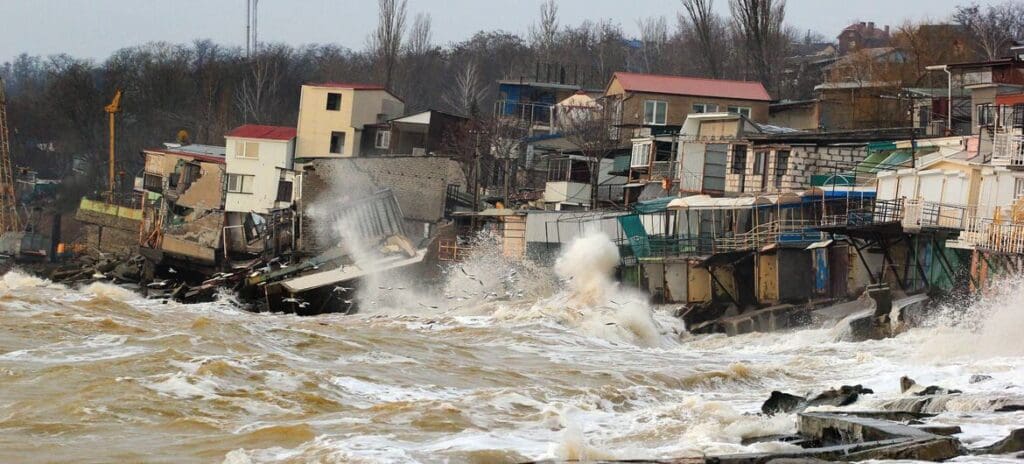
- Adaptation Needs: Recent extreme weather in regions like Nepal and China underscores the urgency of funding resilient infrastructure, early-warning systems, and agricultural safeguards—particularly for low-emitting, highly vulnerable nations.
- Geopolitical Friction: Rising international tensions hinder the cross-border cooperation, supply chain integration, and technology transfers needed for rapid climate action.
FYI
The UN's Climate Summit on September 23 at its New York headquarters is focused on accelerating the clean-energy transition, unlocking climate finance and protecting communities from climate impacts.
The summit brings together governments, development banks, businesses, financial institutions and civil society to examine practical barriers to implementation. Solutions Dialogues held during the UN General Assembly week are also addressing energy, oceans, adaptation, methane, finance, information integrity and green industrialization.
Dive Deeper: Handpicked Stories for You
Follow Channel8 for continuous updates:
Five Major Causes Driving Global Warming
UN Report Links Clean Air Action to Economic Gains
Nepal Reaches Out for Global Aid Following Devastating Floods


.jpg)
.jpg)
.jpg)
.jpg)