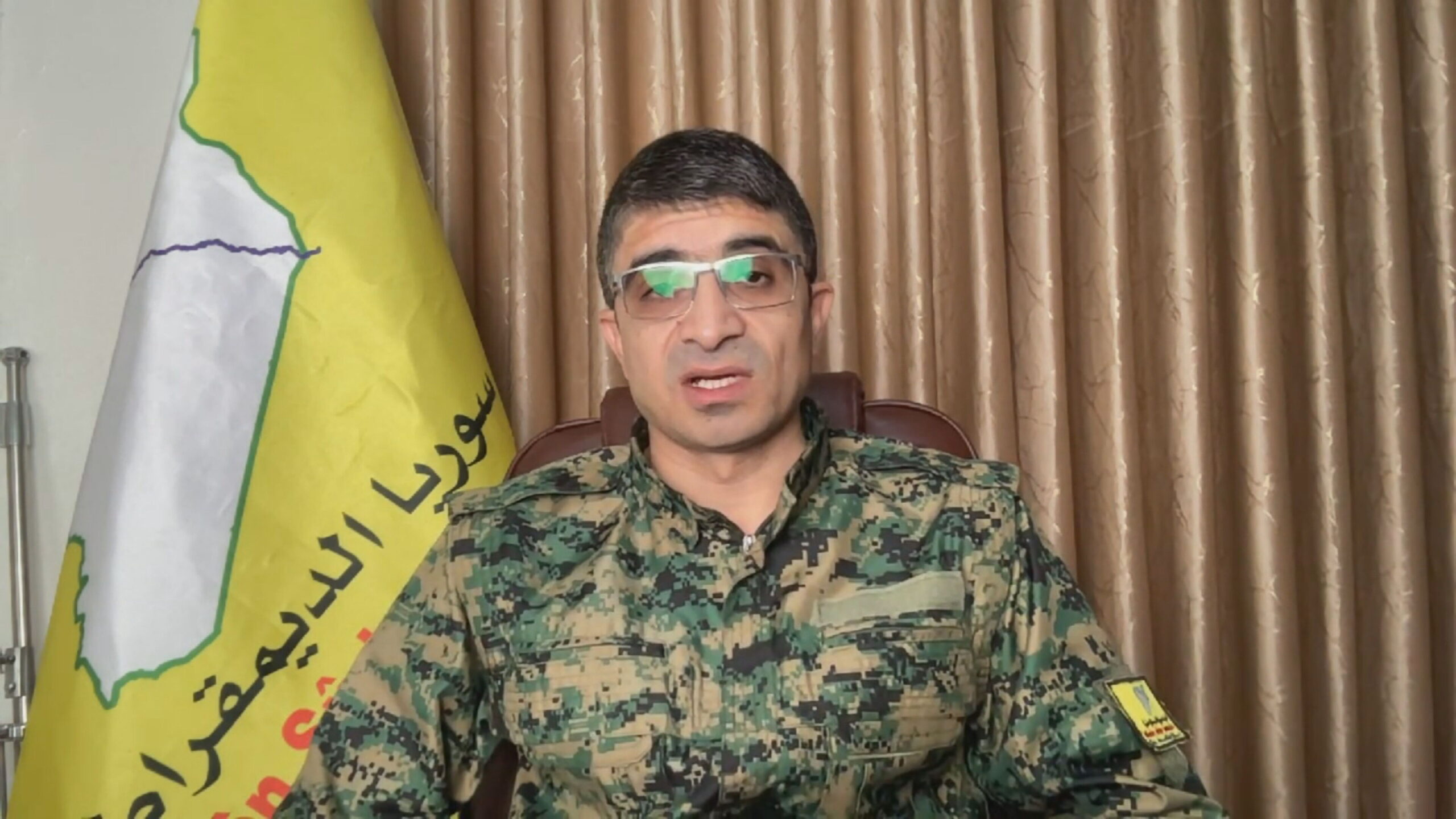
Farhad Shami Warns of Resurgent Extremism Amid Unrest in Hasaka
At a Glance
- Former SDF Media Center Director Farhad Shami warned that recent unrest in Hasaka threatens a decade of sacrifices in the fight against ISIS.
- Shami stated that demonstrations under central security protection evoke disturbing memories of the ISIS era and endanger ethnic and religious minorities.
- He called on the international community to take decisive action to protect Kurds, Christians, and other communities from rising extremism.
- Tensions in Hasaka have remained high following protests targeting Kurdish neighborhoods, symbols, and local governance structures.
Hasaka's fragile security landscape has drawn urgent warnings from regional figures as civil unrest and protests by Arab residents against local governance structures spark deep fears of a extremist resurgence in northeastern Syria.
Shami's Warning and Regional Tensions
- Threat to Hard-Won Stability: In a public statement addressing developments in Hasaka, Farhad Shami cautioned that declining international engagement and shifting coalition priorities risk squandering ten years of anti-ISIS efforts by the Syrian Democratic Forces (SDF) and the Global Coalition.
- Risks to Minorities: Highlighting the vulnerability of Kurds, Christians, and other diverse communities, Shami stressed that civilians must not be left at the mercy of rising radicalism or international neglect.
- Ongoing Volatility: The warnings follow days of security friction in Hasaka, where demonstrations aimed at dismantling Autonomous Administration symbols led to clashes, civilian injuries, and a heavy internal security deployment across the city.
The alarming assessment shared by the former SDF media chief brings to light deep-seated anxieties regarding the stability of northeastern Syria following days of severe unrest in Hasaka. Over Thursday and Friday, the city experienced heightened friction as demonstrations organized in Arab-majority neighborhoods under the protection of central government security forces sought to challenge local administrative symbols and push for state control. For local populations, the scenes of tension and clashing nationalist sentiments evoke painful parallels to the unstable pre-war and early conflict eras, raising fears that extremist elements could exploit the friction.
Shami's direct appeal to international organizations and global powers emphasizes that the security architecture built over the past decade cannot be taken for granted. With the Global Coalition's priorities shifting and international oversight waning, local authorities argue that abandoning multi-ethnic coexistence to regional power vacuums risks undoing years of hard-fought counter-terrorism victories. As internal security forces maintain a strict cordon across Hasaka to prevent further escalation, the broader political and civil implications of the protests underscore the ongoing vulnerability of minority populations in the region.
FYI
For the past three days, Hasakah Governorate in Rojava (Western Kurdistan) has been passing through a complex security situation.
These tensions follow the historic August 2026 dissolution of the Syrian Democratic Forces (SDF) as they integrate into the central Syrian state.
Severe tensions and widespread protests erupted across Kobani, Qamishlo, and Amuda on September 11 following the brutal abduction and murder of Sami Sheikhmous Hasso (known locally as Sipan Hizni).
The rallies have reignited severe Kurdish-Arab friction across the province. During the initial October 2 rallies, some Arab demonstrators publicly burned the Kurdish flag, triggering immediate outrage and subsequent counter-protests by Kurdish residents defending their cultural symbols.
Arab demonstrators today marched to demand that the central government assume administrative and military control over the entire province.
Arab citizens from the Ghuwayran neighborhood and other areas of Hasakah have launched attacks and assaults on Kurdish neighborhoods and symbols in the city, aiming to eliminate signs of the Autonomous Administration and enforce state authority.
This sparked strong counter-protests from Kurdish residents, particularly after some demonstrators publicly burned the Kurdish flag, prompting eight Kurdish political parties to warn against dangerous social conflict.
In response, Internal Security Forces have set up strict cordons to separate communities, blocking Arab demonstrators from entering Kurdish-majority neighborhoods.
Despite these containment efforts, localized clashes and acts of vandalism by Arab demonstrators have broken out, leading to multiple injuries and arrests.
Dive Deeper: Handpicked Stories for You
Follow Channel8 for continuous updates:
Hasakah Governor Urges Calm Amid Tension and Security Force Deployment
1 hour ago