Trump Defends Russia Sanctions Waiver as Zelensky Rift Deepens
At a Glance
- U.S. President Donald Trump defended waiving new sanctions on Russia, saying he wants to keep Moscow engaged in peace negotiations with Ukraine.
- Trump again accused Ukrainian President Volodymyr Zelensky of not wanting to end the war and criticized Ukrainian strikes on Russian oil refineries.
- The decision follows a separate temporary easing of sanctions on Russian diesel exports, intended to increase fuel supplies to global markets.
- The sanctions waiver has drawn criticism from Ukraine and some U.S. lawmakers, amid concerns that easing pressure on Moscow could weaken leverage over Russia.
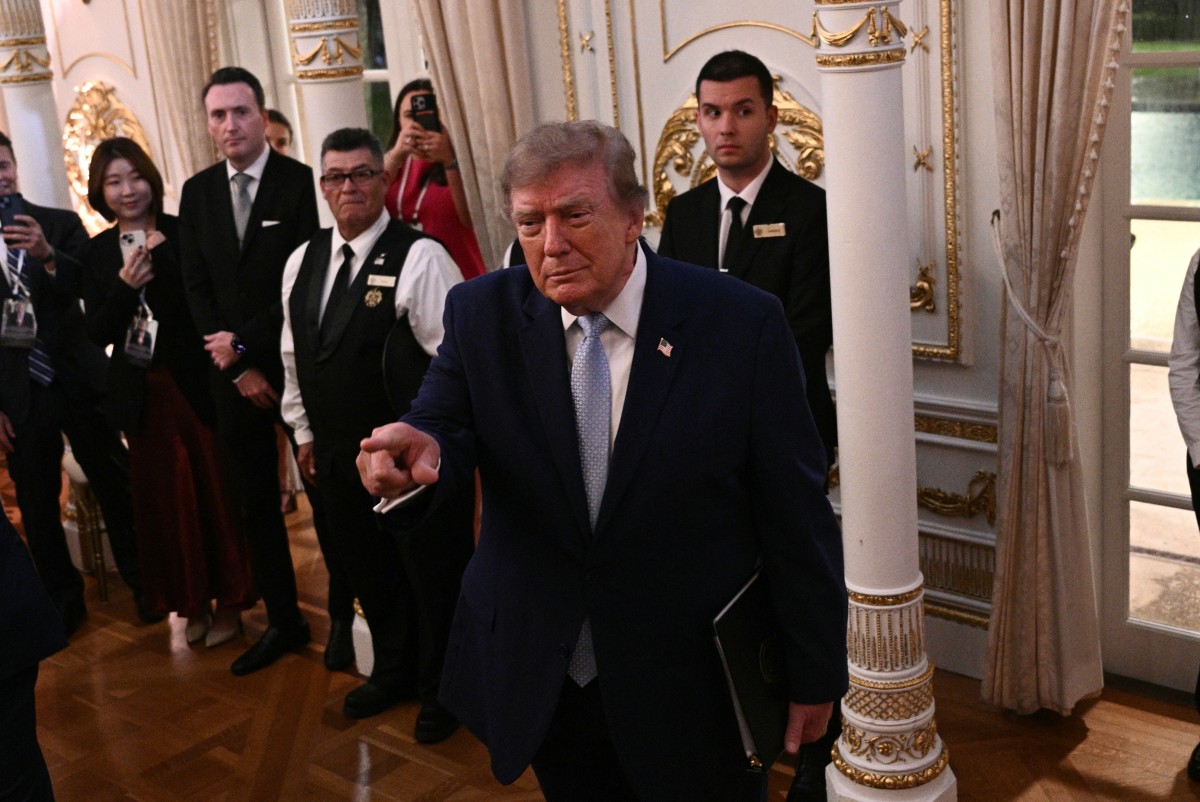
U.S. President Donald Trump has defended his decision to waive broad new sanctions on Russia, arguing that tougher measures could drive Moscow away from peace negotiations, while again accusing Ukrainian President Volodymyr Zelensky of not wanting to end the war. His remarks come amid renewed tensions between Washington and Kyiv over Russian diesel exports, Ukrainian strikes on Russian energy infrastructure and the future of U.S. pressure on Moscow.
Key Statements and Focus Areas
Trump’s Justification for the Waiver
Trump said on Truth Social that his decision was intended to preserve diplomatic engagement with Russia.
“I am in the process of negotiating Peace in the war between Russia and Ukraine, and don’t want to do anything that will drive, foolishly, Russia away from the bargaining table.”
Trump also claimed that progress was being made in negotiations, including discussions involving hostages. He did not provide details about the negotiations or clarify which document he referred to when discussing a possible future signature.
Sanctions and Russian Diesel Exports
- On October 16, Trump signed an executive order waiving numerous provisions of the Lindsey O. Graham Sanctioning Russia and Iran Act of 2026, citing U.S. national interests.
- The order waived several sanctions and tariff provisions intended to target Russia and certain foreign entities and countries involved in its energy trade. It did not abolish every existing U.S. sanction against Russia.
- A separate temporary waiver has allowed additional Russian diesel supplies to reach global markets, with the administration presenting the move as a response to high fuel prices and a means of supporting diplomatic efforts.
Trump’s Criticism of Zelensky
Trump accused Ukraine of targeting Russian refineries in ways he said were damaging global diesel markets, including in the United States. He also claimed that Zelensky did not want to end the war.
These are Trump’s allegations. His post did not provide evidence that Ukrainian refinery strikes were intended to influence the U.S. Republican Party’s electoral prospects.
Russia, Iran and Regional Diplomacy
Trump also said Russia was doing little to help Iran and argued that he wanted to maintain that situation. He warned against actions that could undermine his approach, but did not provide further details in the post about the assistance he was referring to.
U.S. President Donald Trump on Sunday defended his decision to waive a series of new sanctions against Russia, saying he did not want to jeopardize efforts to negotiate an end to the war in Ukraine.
“My decision on Russia is a very simple one,” Trump wrote on Truth Social, arguing that additional restrictions could push Moscow away from the negotiating table.
The remarks followed an executive order Trump signed on October 16, waiving multiple provisions of the Lindsey O. Graham Sanctioning Russia and Iran Act of 2026. The legislation, signed into law in September, authorized sanctions and restrictions targeting Russia, as well as measures involving countries and entities connected to Russian energy trade. Trump’s order cited U.S. national interests as the basis for the waivers.
The decision came after the administration separately eased sanctions affecting Russian diesel exports, allowing additional supplies to enter international markets as fuel prices rose amid wider geopolitical disruption. The administration has framed the move as a way to increase supply and preserve incentives for diplomatic progress, while critics have questioned whether easing restrictions reduces pressure on the Kremlin.
Trump again criticized Ukrainian President Volodymyr Zelensky, accusing him of not wanting to end the war and alleging that Ukrainian attacks on Russian refineries were hurting diesel markets, including in the United States.
He also suggested that Ukraine’s actions could be intended to harm Republicans ahead of the November 3 U.S. midterm elections. Trump did not provide evidence for that allegation in his post.
The renewed criticism has deepened tensions between Washington and Kyiv. Zelensky has criticized the easing of sanctions, arguing that it risks benefiting Russia while its invasion of Ukraine continues. Ukrainian officials and supporters of maintaining sanctions have warned that reducing economic pressure on Moscow could undermine efforts to constrain Russia’s ability to finance the war.
Trump also claimed that Russia was doing little to assist Iran, saying he wanted to prevent a change in that situation. He did not elaborate on the intelligence or specific activities behind the claim.
The president said progress was being made in peace talks, including discussions involving hostages, but offered no details about the status, participants or terms of those negotiations. The White House did not immediately respond to a request for clarification about the document Trump said he could sign later.
FYI
Trump’s decision reflects a tension between two stated objectives: maintaining diplomatic engagement with Moscow and using economic pressure to influence Russia’s conduct in Ukraine. The administration argues that sanctions relief and access to export markets can serve as incentives for negotiations, while Ukraine and other critics warn that easing restrictions could reduce leverage over the Kremlin.
The economic dimension is also significant. The diesel waiver comes amid elevated fuel prices and wider disruptions to energy markets, increasing pressure on the administration to address domestic costs. However, the impact of additional Russian supplies will depend on market conditions, the scope of the exemptions and how long the measures remain in force.
For Ukraine, the dispute raises questions about the durability of U.S. economic pressure on Russia and the consistency of Washington’s approach to ending the war. The immediate issue is whether the administration’s concessions will produce measurable diplomatic progress or further strain relations with Kyiv and other supporters of sanctions.
Dive Deeper: Handpicked Stories for You
Follow Channel8 for continuous updates:
Zelensky Criticizes Trump’s Diesel Deal With Russia at EU Summit
Trump to Hold Talks with Zelensky and al-Sharaa During NATO Summit
Germany Reaffirms Support for Zelensky, Calls for More Pressure on Russia
1 hour ago