Kurdistan Region Exports Over One Million Tons of Vegetables to Iraq
At a Glance
- The Kurdistan Region produces around 2 million tons of vegetables annually.
- More than 1 million tons are exported to Baghdad and other Iraqi governorates.
- Local consumption ranges between 750,000 and 1 million tons annually.
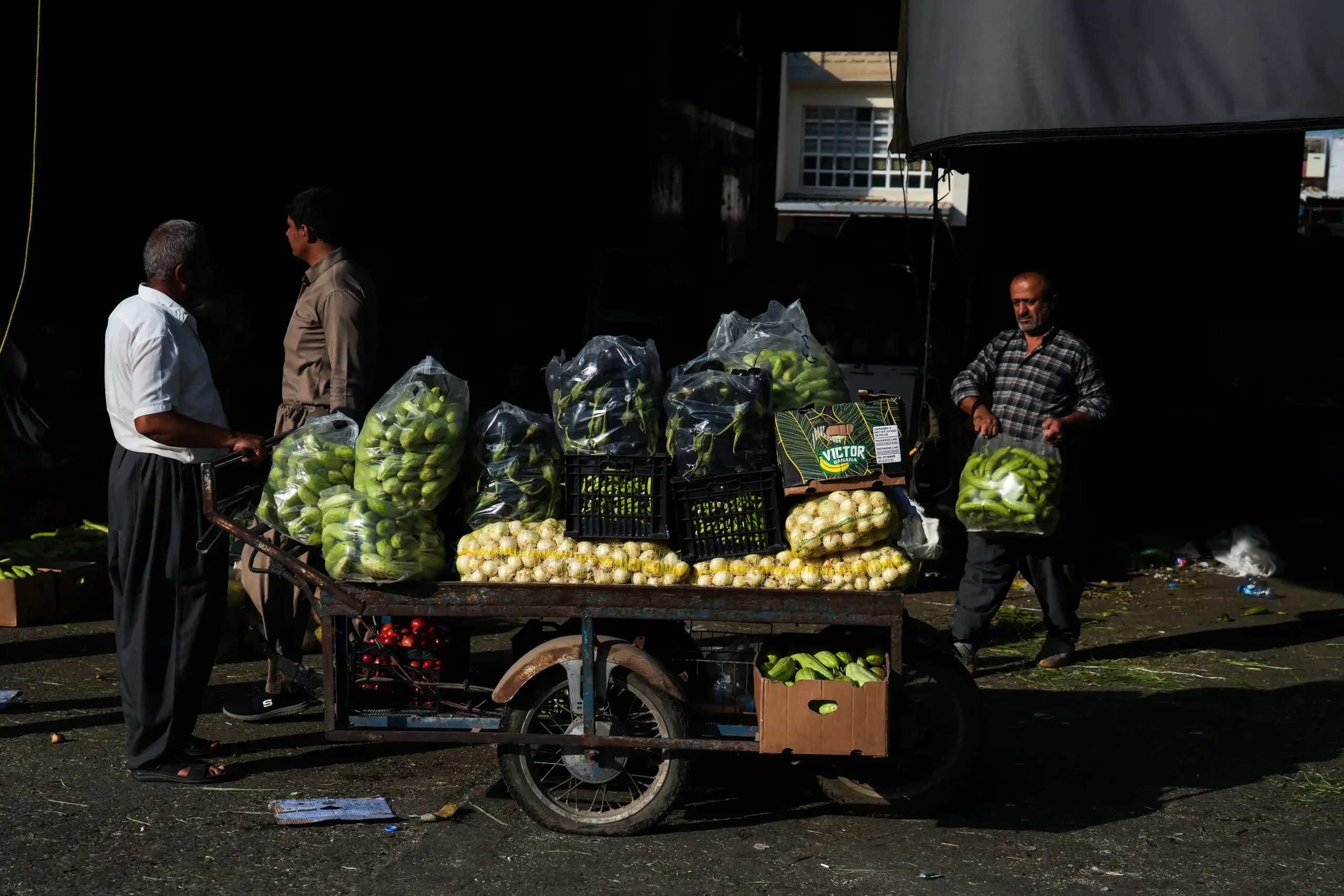
Vegetable production in the Kurdistan Region has exceeded local demand, with more than 1 million tons exported annually to markets across Iraq. Leafy greens are among the region’s major agricultural products, supported by both open-field cultivation and greenhouse farming.
Key Statements and Focus Area
- Quality Control: Specialized teams conduct health and quality checks at the wholesale markets before the produce is loaded. — Kurdistan Region Ministry of Agriculture.
- Cultivation: The region’s climate and agricultural conditions support the cultivation of leafy greens through both traditional open-field farming and greenhouse production. — Kurdistan Region Ministry of Agriculture.
According to the Ministry of Agriculture, annual vegetable production across the Kurdistan Region has reached approximately 2 million tons.
Local consumption is estimated at between 750,000 and 1 million tons per year. The remaining production is supplied to markets in Baghdad and other Iraqi governorates.
Basil, mint, and tarragon are among the products supplied in significant quantities from local wholesale markets to destinations outside the region. These crops also have applications in pharmaceutical, cosmetic, food, and sauce manufacturing industries.
Global market data highlights the economic value of these products. The basil market is valued at $1.57 billion this year and is projected to reach $2.48 billion by 2035.
The global mint market is estimated at between $3.72 billion and $6.80 billion, with forecasts projecting it could approach $11 billion by 2030, driven by demand from pharmaceutical, cosmetic, and food-related industries.
FYI
The Kurdistan Region’s emergence as an agricultural powerhouse for central and southern Iraq is the direct result of deliberate domestic farming initiatives aimed at economic diversification.
Historically reliant on crude oil revenues, the Kurdistan Regional Government (KRG) shifted its focus toward developing the local agricultural sector to withstand macroeconomic shocks and budget disputes with Baghdad. By leveraging the region's fertile soil, abundant water resources, and favorable climate, particularly in areas like the Sharazur plain, local farmers successfully transitioned from traditional subsistence farming to industrial-scale open-field and greenhouse cultivation.
To protect this burgeoning industry and secure its domestic market share, the Ministry of Agriculture and Water Resources regularly implements seasonal import tariffs and bans on foreign produce from neighboring countries like Iran and Turkey. This strategic protectionism, combined with standardized quality controls, has allowed Kurdish leafy greens to completely dominate the broader Iraqi supply chain, laying the groundwork for future integration into international pharmaceutical and cosmetic export networks.
Dive Deeper: Handpicked Stories for You
Follow Channel8 for continuous updates:
Import Tariffs Strengthen Support for Kurdistan Region Farmers
07/09/2026