Hegseth Visits USS Abraham Lincoln After Long Middle East Deployment
At a Glance
- US War Secretary Pete Hegseth visited the USS Abraham Lincoln after its extended Middle East deployment.
- Hegseth said the carrier strike group completed about 10,000 sorties and 23,000 flight hours.
- The group conducted about 4,000 combat sorties and received a Presidential Unit Citation.
- The deployment also drew scrutiny over reported suicide attempts and temporary food supply limitations.
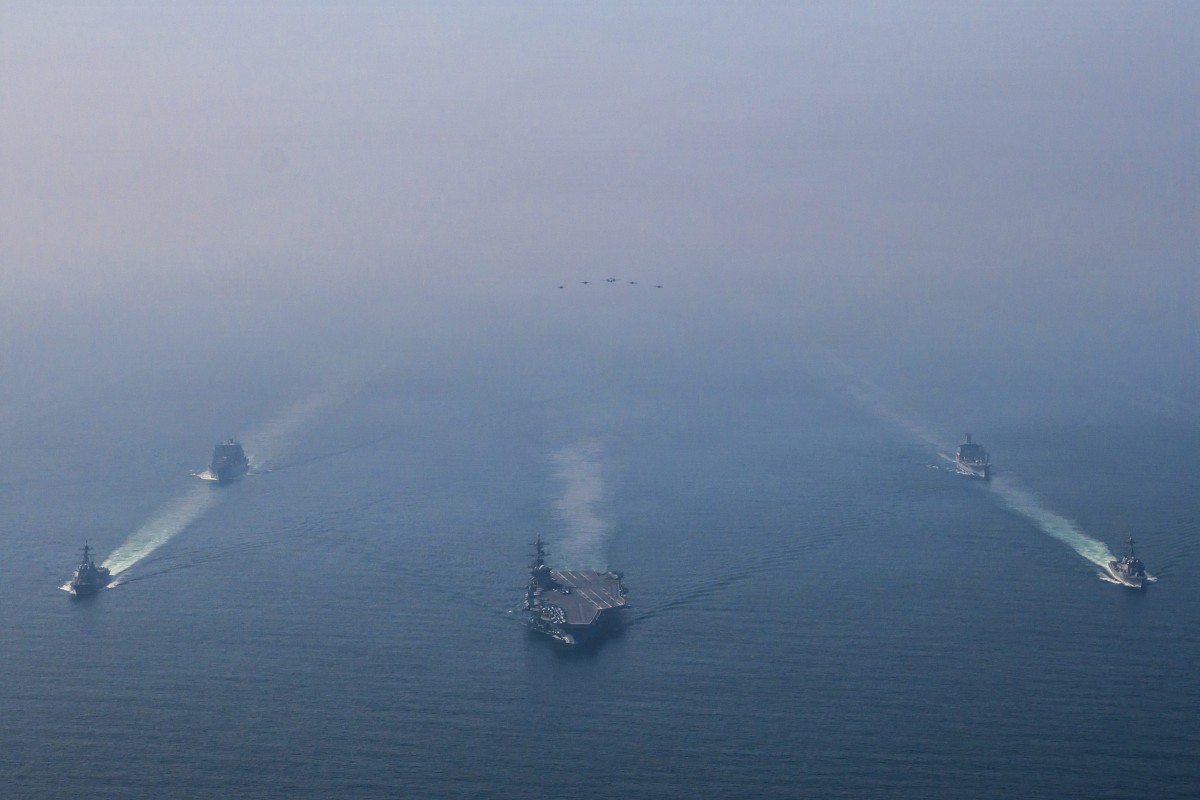
US War Secretary Pete Hegseth visited the nuclear-powered aircraft carrier USS Abraham Lincoln in the Pacific on Wednesday as it returned from an extended deployment supporting US military operations linked to the war with Iran.
Hegseth praised the carrier strike group, saying it had achieved what he described as unprecedented operational results during its deployment.
Key Statements
“This carrier strike group has accomplished what no other strike group has accomplished before.”
— US War Secretary Pete Hegseth
“10,000 sorties” and “23,000 combat flight hours.”
— Figures cited by Hegseth for the carrier strike group’s deployment
“Extraordinary heroism in action against enemy forces.”
— Citation accompanying the Presidential Unit Citation awarded to the strike group
Extended Deployment
The USS Abraham Lincoln left California in November 2025 for operations in the South China Sea before being redirected to the Middle East following the outbreak of the US-Israeli war with Iran on February 28.
During his visit, Hegseth praised the crew and highlighted the scale of the carrier strike group's operations.
According to figures cited by the defense secretary, the group conducted approximately 10,000 sorties, including around 4,000 combat sorties, and accumulated about 23,000 flight hours.
The group was also awarded a Presidential Unit Citation, recognizing what the Pentagon described as exceptional performance during combat operations.
Crew Conditions Draw Scrutiny
The praise came amid earlier concerns over conditions aboard the carrier during its prolonged deployment.
In August, families of service members and members of Congress raised concerns following reports of suicide attempts and alleged shortages of food aboard the carrier.
President Donald Trump rejected the allegations, while Hegseth said some media reports had presented a misleading picture of conditions aboard the ship.
The Trump administration subsequently acknowledged in a letter to a lawmaker that eight suicide attempts had occurred among members of the carrier strike group. It said there were no deaths resulting from those attempts.
The administration also said food supplies had remained sufficient, while acknowledging that limited resupply operations during the war temporarily reduced the number of main meal choices from two to one.
Hegseth criticized media coverage of the issues and defended the crew's performance.
Other Carrier Challenges
The USS Abraham Lincoln was not the only US aircraft carrier to face difficulties during an extended deployment.
The USS Gerald R. Ford spent 326 days on a mission that included a fire in a laundry room in March, which injured two sailors and damaged about 100 berths.
US media also reported significant problems with the carrier's toilet systems.
The incidents have highlighted some of the logistical and human challenges associated with prolonged naval deployments, even as the Pentagon has emphasized the operational output of US aircraft carriers during the conflict.
FYI
The USS Abraham Lincoln's deployment illustrates both the operational demands and human costs associated with maintaining a major naval force at sea for an extended period. The carrier strike group's reported sortie and flight-hour totals underscore the scale of US air operations during the conflict, while the reported crew issues point to the logistical pressures created by a prolonged deployment and limited opportunities for resupply.
The Pentagon's recognition of the strike group contrasts with concerns raised by families, lawmakers and media reports over conditions aboard the carrier. The administration's acknowledgment of eight suicide attempts adds a documented personnel dimension to the wider debate over the strain of extended combat deployments.
Dive Deeper: Handpicked Stories for You
Follow Channel8 for continuous updates:
CENTCOM Chief Visits USS Lincoln Amid Prolonged Deployment
Trump’s Iran Negotiators Visit USS Abraham Lincoln as Talks Resume
USS Abraham Lincoln Rushes to Middle East as U.S. Prepares for Potential Iranian Retaliation
2 hours ago