Iraq Reactivates Ceyhan Pipeline at Full Price Amid Hormuz Crisis
At a Glance
- Iraqi oil transit to Turkey costs $1.62 per barrel.
- Talks begin with foreign firms to restore disrupted KRG fields back to 200,000 bpd.
- Combined Kurdistan-Kirkuk exports averaged 175,000 bpd.
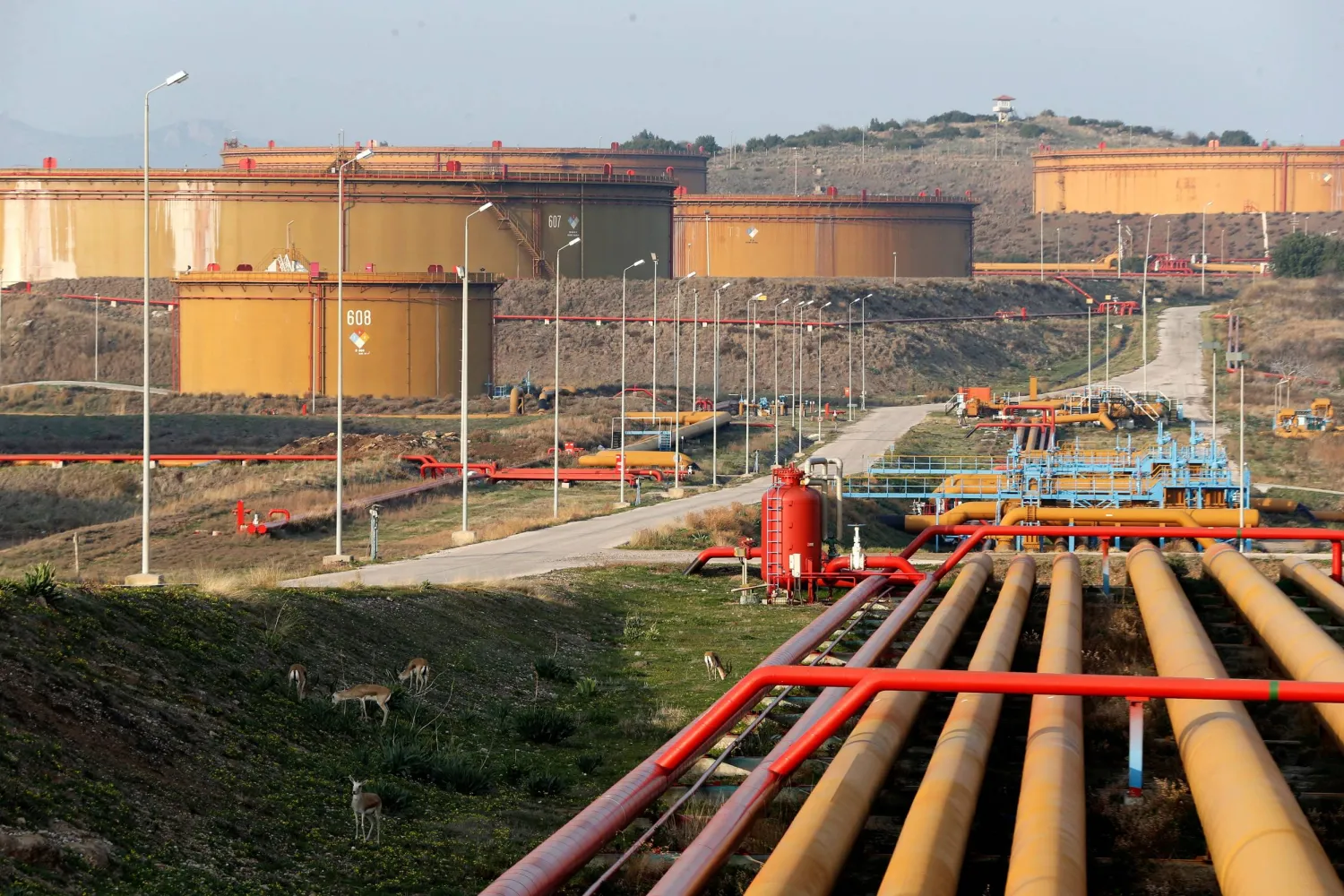
The Director General of Iraq’s State Oil Marketing Organization (SOMO) stated that Iraqi oil transit and maintenance to Turkey costs $1.62 per barrel, adding that Iraq sells oil to Turkey at full price.
Key Statements and Focus Areas
- The Iraqi government plans to start transporting Basra crude to Kirkuk storage facilities to fully reactivate the Ceyhan oil pipeline.
- The Ceyhan pipeline has an export capacity of 1.5 million barrels of oil per day.
SOMO’s Ali Nizar Fayeq al-Shatari said the plan for fully reactivating the Ceyhan oil pipeline follows the disruption of the Strait of Hormuz, aiming to bring daily export levels through Turkey to 750,000 barrels.
Talks have begun with foreign companies in the Kurdistan Region to increase field production and compensate for the decline caused by the conflict.
According to al-Shatari, Iraq sells one million barrels of oil daily to Turkey without any price discounts.
He noted that Kurdistan oil production has dropped from 230,000 to 20,000 barrels daily due to the targeting of oil fields. The average selling price for each barrel of Iraqi oil in July was $60, he confirmed.
An official from the North Oil Company (NOC) revealed that daily export data fluctuates continuously; on August 2, 110,000 barrels were exported via the Region's pipeline, followed by 100,000 barrels on August 3.
The Ministry of Oil has contracted several companies to transport Basra oil via tankers to Kirkuk to support Ceyhan exports. Currently, discussions with the Kurdistan Region are ongoing to increase field exports to 200,000 barrels this month, though it is expected to reach 150,000 barrels in the first phase.
Channel8 has learned that combined oil exports from the Kurdistan Region and Kirkuk averaged 175,000 barrels per day during July, with 115,000 barrels originating from Kurdistan fields and 60,000 barrels from Kirkuk.
The current transit fee to Turkey, which stands at $1.62 per barrel, differs from previous rates of $1.18 for the federal government and approximately $4.31 for the Kurdistan Region.
FYI
Iraq is currently bypassing a severe export crisis caused by the closure of the Strait of Hormuz by routing hundreds of thousands of barrels of oil per day through Turkey under a newly signed interim pipeline agreement.
During an official visit to Washington, Iraq finalized a massive $200 billion energy package with U.S. firms, highlighted by a project with Chevron to reconstruct the Haditha-Baniyas pipeline to Syria's Mediterranean coast.
To boost additional output, British multinational BP restructured its Kirkuk development project into a tripartite consortium with America's ConocoPhillips and Turkey's TPAO.
Meanwhile, Oil Minister Basem Mohammed Khudhair traveled to Ankara and officially signed a one-year interim pipeline agreement on Saturday with Turkish Energy Minister Alparslan Bayraktar.
The deal establishes a target capacity to export a minimum of 750,000 barrels of oil per day via the Kirkuk-Ceyhan Pipeline to global markets.
Dive Deeper: Handpicked Stories for You
Follow Channel8 for continuous updates:
https://channel8.com/english/news/62826
https://channel8.com/english/news/62835
https://channel8.com/english/news/62881
![Containers are seen on a ship at the Ningbo-Zhoushan port in Ningbo in eastern China's Zhejiang Province on October 15, 2026 [AFP]](https://media.channel8.com/en/1792417041479-AFP__20261016__D3GH39F__v1__MidRes__ChinaEconomy-1792378918.webp)
.webp)